
Published on
November 3, 2025

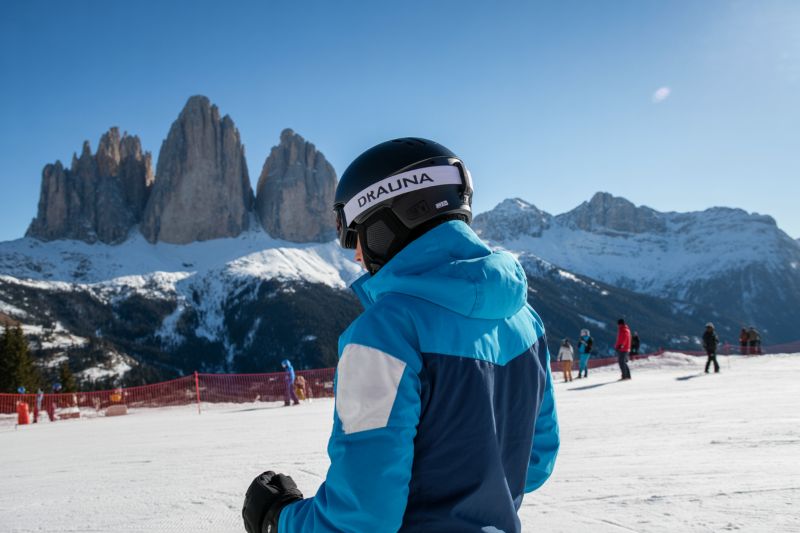
As the winter season approaches, Italy is preparing for a busy ski season with an important update to the country’s safety regulations. Starting November 1, 2025, the country’s ski resorts will be enforcing a nationwide helmet mandate, which requires all participants in winter sports-skiing, snowboarding, and even sledding-to wear protective headgear while out on the slopes. This new legislation encompasses individuals of all ages and experience levels, marking one major step in Italy’s efforts to improve safety within its snow tourism industry.
This change takes place against a backdrop of Italy still attracting millions of winter tourists each year, and its premier ski resorts, Cortina d’Ampezzo, Madonna di Campiglio, and Livigno, are expected to welcome large numbers this season. The helmet rule is part of wider measures aimed at making ski resorts safer and more accessible but at the same time ensuring the country stays at the forefront of sustainable and safe tourism.
Stronger Safety Measures for a Growing Winter Tourism Sector
The introduction of the helmet law comes at a time when Italy’s snow tourism is seeing significant growth. According to industry reports, ski resorts across Italy are already witnessing early bookings, with the country continuing to attract international skiers and snowboarders. The helmet mandate aligns with Italy’s commitment to improving safety for tourists, especially as the popularity of skiing, snowboarding, and other winter sports continues to rise.
The new law will help mitigate the risks associated with skiing and snowboarding, which have led to an increase in head injuries and collisions in recent years. By requiring helmets for all skiers and snowboarders, Italy is prioritizing safety across all levels of experience. Experts, including the ADAC (German Automobile Club), have highlighted that helmets significantly reduce the likelihood of serious head injuries, such as brain damage and skull fractures, making this regulation a crucial step in protecting both novice and experienced winter sports enthusiasts.
The law extends beyond those under 18—who were previously required to wear helmets—to include all visitors, regardless of age. Fines ranging from €100 to €150 will be imposed on those who do not comply, and violators risk losing access to their ski passes. This new regulation will be enforced throughout Italy’s ski areas, ensuring a unified approach to safety across the country.
How Italy’s New Ski Helmet Law Compares to Neighboring Countries
Italy’s helmet law stands out as one of the most comprehensive in the Alpine region. While countries like Austria and Slovenia have implemented helmet mandates for children under a certain age, Italy is taking a broader approach. In Austria, for example, helmet use is mandatory only for children under 15, with some regions, like Tyrol and Vorarlberg, enforcing stricter rules. Similarly, Switzerland, France, and Germany do not have nationwide helmet mandates, though most resorts strongly encourage it.
Italy’s new law places it at the forefront of safety regulations in the European ski market, signaling its commitment to setting a high standard for winter tourism safety. This may inspire other countries in the region to adopt similar measures, as helmets are increasingly seen as an essential part of winter sports safety. Given Italy’s prominence in the ski tourism industry, its proactive approach to safety could encourage other nations to follow suit.
Impact on Tourists and Ski Resorts
The helmet requirement is expected to have a positive impact on both ski resorts and tourists. For travelers, the law offers peace of mind, knowing that safety is a top priority at Italy’s ski resorts. Whether visiting the glamorous slopes of Cortina d’Ampezzo or the family-friendly runs in Livigno, tourists can enjoy their winter vacation knowing that safety standards are being upheld.
The law is particularly beneficial for first-time skiers, families, and novice snowboarders, who may feel more confident on the slopes with the additional protection of a helmet. The rule also aligns with broader trends in adventure tourism, where safety is increasingly prioritized without compromising the thrill of the experience.
Ski resorts like Madonna di Campiglio and Val Gardena, which are already known for their high-quality services and family-friendly amenities, are expected to see increased appeal among safety-conscious travelers. These resorts are also investing heavily in sustainable tourism practices, which, combined with the new helmet law, will make them even more attractive to eco-conscious and safety-minded visitors.
Boosting Italy’s Winter Tourism Appeal
The introduction of the helmet law also signals that Italy is continuing to evolve as a leader in winter tourism. While resorts in Switzerland, Austria, and France are popular among tourists, Italy’s emphasis on combining luxury, safety, and sustainability makes it stand out as a destination. Resorts are increasingly offering experiences that go beyond skiing, such as snowshoeing, ice climbing, wellness retreats, and fine dining options.
This diversification of activities enhances Italy’s winter tourism portfolio, making the country more appealing to a wider range of travelers. From young adventurers seeking a thrill to families wanting a safe, all-encompassing winter vacation, Italy’s ski resorts cater to all types of tourists. By emphasizing safe skiing, eco-tourism, and luxury travel, Italy ensures that it remains a top destination for winter sports enthusiasts from around the world.
Moreover, the country’s growing reputation for sustainable tourism is a key selling point for travelers looking for eco-friendly vacation options. Ski resorts are increasingly investing in green technologies and renewable energy, making Italy an attractive choice for tourists who want to minimize their environmental footprint while enjoying world-class slopes.
Planning Your Winter Ski Trip in Italy
Tourists who will be traveling to Italy’s ski resorts this winter should prepare themselves for the new helmet requirement. Most local shops and ski rental facilities will have certified helmets that meet European safety standards available for purchase or rental. This new law makes compliance convenient and affordable for tourists.
Whether you are heading for the Dolomites for breathtaking views and exhilarating slopes or to Livigno for a mix of skiing and tax-free shopping, Italy’s ski resorts offer something for everyone. The addition of the helmet law only furthers the country’s appeal by offering both adventure and safety to winter travelers.
As Italy’s ski season unfolds, it’s clear that safety, luxury, and sustainability are the mainstays driving the future of the country’s snow tourism industry. With this new regulation, Italy once again ascertains its position at the top by setting the standard for responsible and thrilling winter vacations to ensure a place as one of Europe’s most exciting yet safe ski destinations.
