
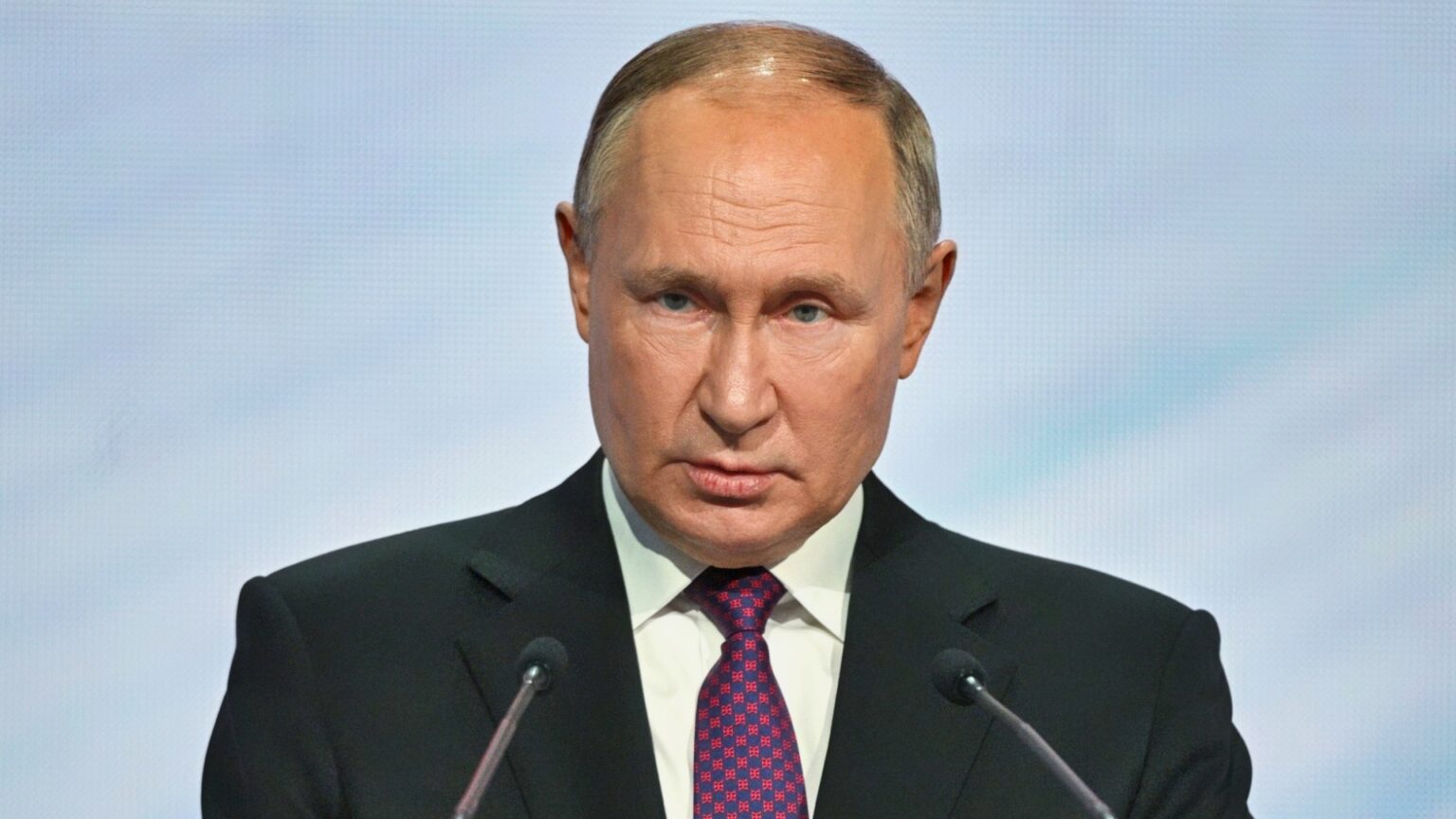
Key Points and Summary – UK defense intelligence now estimates Russia has suffered roughly 1.14 million casualties since 2022, with about 353,000 killed and wounded in 2025 alone.
-Recent daily losses hover around 1,000 as Moscow pushes to encircle Pokrovsk, a shattered but vital rail and road hub in Donetsk.
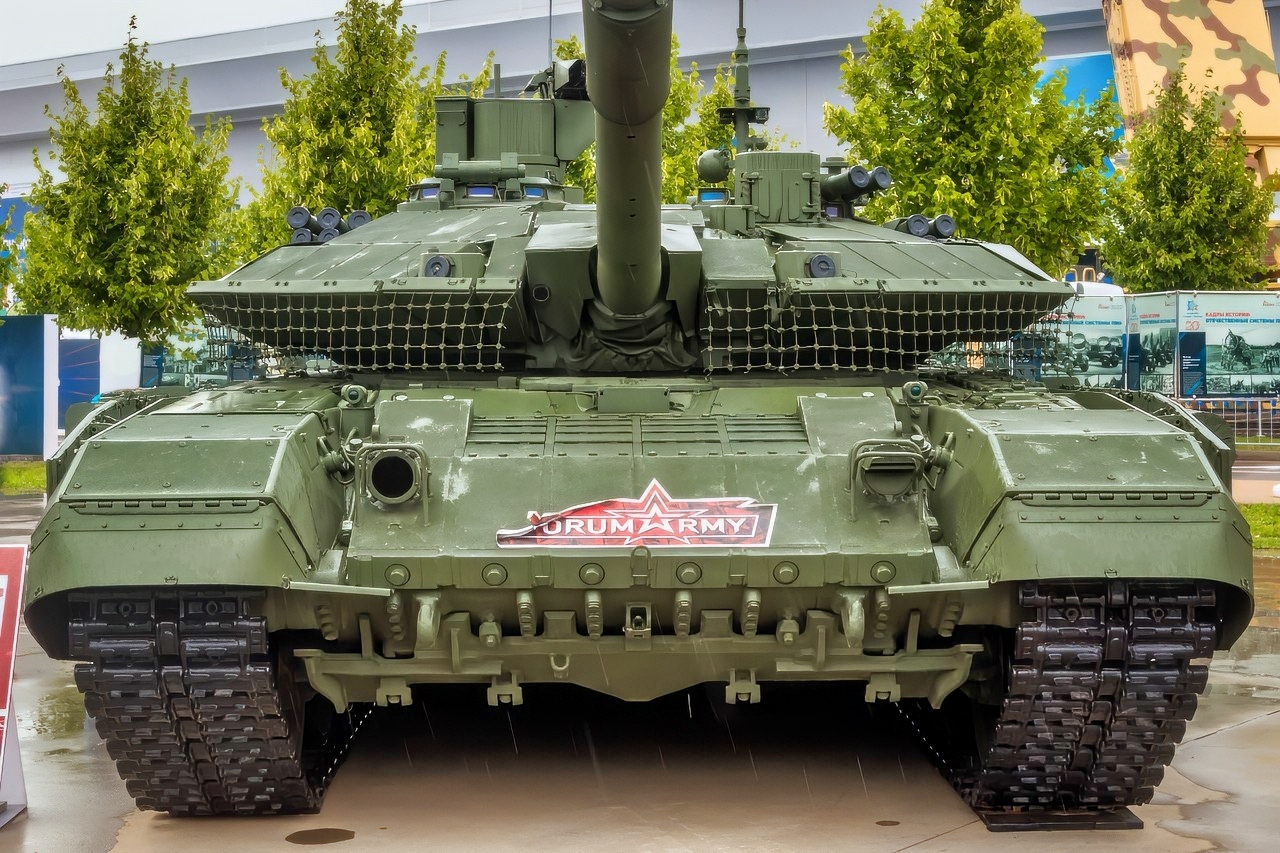
T-90M Russian Army. Image Credit: Creative Commons.
-Kyiv denies encirclement, citing counterattacks and open supply routes, yet acknowledges an “extremely difficult” fight.
-Analysts say Russia’s slightly lower recent loss rates reflect tactical adaptations—and possible efforts to build a strategic reserve.
-Capturing Pokrovsk would mark Moscow’s biggest gain since Avdiivka and could set conditions to advance on Kramatorsk and Sloviansk—while giving Putin a badly needed “win.”
Russia’s 1.1 Million Casualties—and the Bloody Push for Pokrovsk
The Russian military continues to experience high casualty rates as Moscow’s war in Ukraine approaches its fourth year. According to Tuesday’s briefing from the Ministry of Defence (MoD) Intelligence unit in London, the average numbers for those killed, wounded, or missing each day per month in the 2024-2025 period range between two to four times the daily tally in 2022, the year of the initial Russian full-scale invasion of its neighbour.
The MoD assessment is that Russia has likely suffered approximately 1,140,000 total casualties since launching its invasion of Ukraine in 2022.
That number includes approximately 353,000 killed and wounded just since the beginning of 2025.
The average daily Russian casualty rate for October 2025 was 1,008, according to the Ukraine General Staff’s reporting, which represents an increase from 950 per day in September 2025, marking the second consecutive monthly rise.
Russia’s average daily casualty rates decreased slightly from August 2025 to the end of October 2025. T
his 90-day period has seen the three lowest monthly average rates reported since April 2024.
The decrease in these Russian casualties is attributed to efforts in the field to “improve their ability to counter the kill zone,” as a recent analysis from the Institute for the Study of War states.
The Washington, DC-based think tank also suggests the Russian General Staff may assume that casualty rates will continue to decrease, “and this reasoning may explain why Russia is reportedly beginning to form a strategic reserve for future deployment.”
The Battle for Pokrovsk
Moscow’s military has been trying to take the Donbas city of Pokrovsk, located in the Donetsk region. Russia continues to call the city by its Soviet-era name of Krasnoarmeysk (meaning “Red Army” in Russian), and its troops have been fighting against a Ukrainian defensive force for more than a year now.
A major road and railway hub in the eastern part of Donetsk, Ukraine, the city has strategic significance in terms of logistics and the supply of military units. Very little of the city itself remains and has been described by some correspondents covering the war as “resembling a moonscape.”
Most of the pre-war population of 60,000 people has now fled, all children were evacuated long ago, and only a few civilians remain in this city. Almost all buildings have been destroyed, and the roads are almost completely cratered from intensive bombardments.
Despite a slight dip in overall casualty numbers, Russian forces continue to experience high losses as the units in this operation have intensified efforts to surround Pokrovsk. Russian forces have begun advancing from the southern outskirts towards the centre of the city.
Ukraine’s only mine that produces coking coal, a vital commodity used in the country’s once massive steel industry, is located approximately six miles west of Pokrovsk. The Ukrainian steel producer Metinvest had said in January that it had suspended mining operations at this location.
Another loss to Ukraine’s industry is a technical university in Pokrovsk, the region’s largest and oldest institution, which is now abandoned and, like the rest of the city, is largely in ruins due to damage inflicted by more than a year of shelling.
Putin Needs a Win
Moscow’s military continues to press forward on Pokrovsk due to its strategic importance.
If Russia were to capture the city, it could then be used as a springboard to advance on two of the largest Ukrainian-controlled cities remaining in the Donetsk region: Kramatorsk and Sloviansk.
However, the larger issue for Russian President Vladimir Putin, according to a retired US Army Russian military analyst in Washington, is that “he needs a win somewhere. He needs some dramatic change in the disposition of the front line to somehow justify these casualty numbers,” he explained.
“His army is bogged down almost everywhere and the domestic situation continues to worsen as these Ukraine attacks on Russia’s oil industry have caused shortages of petrol and other disruptions of people’s daily lives,” he continued.
Taking Pokrovsk would also be Russia’s largest territorial gain in Ukraine since its forces seized the ruined city of Avdiivka in early 2024 following one of the bloodiest battles of the war to date.
Ukraine has deployed a special forces detachment to the city this past week in order to thwart any further Russian advancement.
About the Author: Reuben F. Johnson
Reuben F. Johnson has thirty-six years of experience analyzing and reporting on foreign weapons systems, defense technologies, and international arms export policy. Johnson is the Director of the Asia Research Centre at the Casimir Pulaski Foundation. He is also a survivor of the Russian invasion of Ukraine in February 2022. He worked for years in the American defense industry as a foreign technology analyst and later as a consultant for the U.S. Department of Defense, the Departments of the Navy and Air Force, and the governments of the United Kingdom and Australia. In 2022-2023, he won two awards in a row for his defense reporting. He holds a bachelor’s degree from DePauw University and a master’s degree from Miami University in Ohio, specializing in Soviet and Russian studies. He lives in Warsaw.
More Military
China Has the Missiles to Sink U.S. Navy Aircraft Carriers, But Questions Remain
The P-51 Mustang Was the Best WWII Fighter
The U.S. Navy’s Great Aircraft Carrier Shortage of 2025 Won’t End
The Navy Isn’t Prepared For What’s Coming
Not Made in USA: The Vanguard-Class Missile Submarine Has Just 1 Mission