
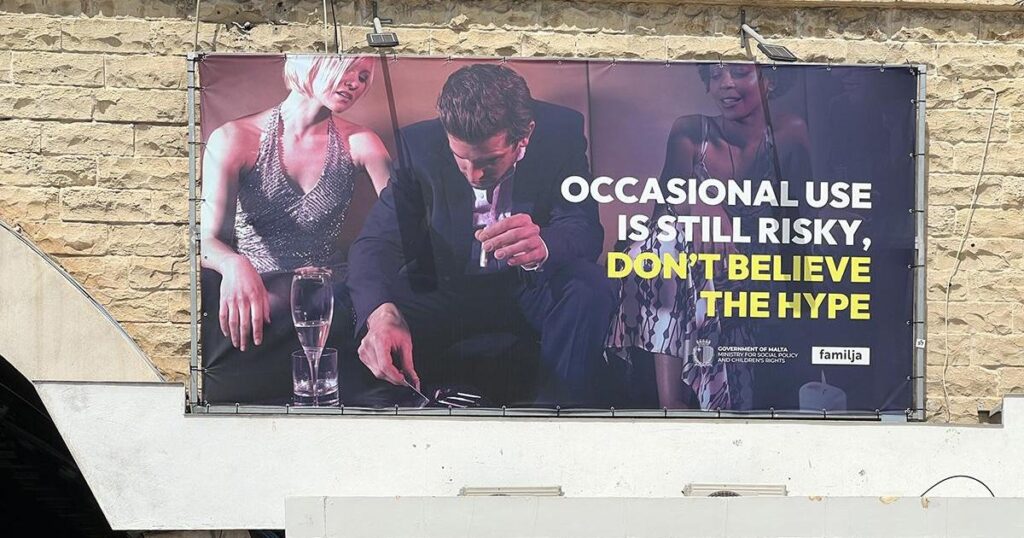
Malta is on the right track in introducing roadside drug testing, but the police must be trained to assess impairment and not penalise prescription use, an Irish road safety expert has warned.
Prof. Denis Cusack is director of the Medical Bureau of Road Safety (MBRS) in Ireland, which introduced random roadside drug testing in 2017.
The government announced plans to introduce similar measures in Malta after a series of deadly road accidents in the summer.
Cusack, whose research specialises in intoxicated driving, road traffic medicine, forensic death investigation and medical ethics, said introducing the law in Malta is complicated by the fact that cannabis is legal under certain conditions.
Several stakeholders, including cannabis regulator ARUC as well as doctors and the government’s own social services provider, have highlighted how traces of cannabis can be detected in the body even when a driver is not impaired.
Cusack told Times of Malta that cannabis is stored in fat cells, from where it can be released over days and weeks following intake. This is why drivers can test positive even days after taking the substance, making it harder for the police to establish whether the person was driving under the influence.
He said there are specific tests, however, that confirm whether cannabis was consumed a few hours before the test is taken. It would be enough evidence to prove the person was driving under the influence of cannabis. He acknowledged Malta is already looking into these tests.
 Prof. Denis Cusack, head of Ireland’s Medical Bureau of Road Safety. Photo: Steve Humphreys
Medicines or drugs?
Another issue is that people who are taking prescription medication, or even some over-the-counter opiates, such as Solpadeine, which contains codeine, may test positive in a roadside drug test.
RELATED STORIES
This is why simply testing positive for a substance is not enough in these cases, Cusack said, and the law must include a provision to protect drivers who are taking prescription medication as advised and are not impaired.
“People should continue to take their medications and should not be afraid,” he advised.
“But the police need to be also extensively trained in standard impairment testing, which includes practices such as asking drivers who test positive to walk in a straight line or stand on one leg and observe their pupil size, to accurately assess if a driver is unfit to be behind the wheel.”
Having said that, roadside drug testing has proven, time and again, that it works and dramatically reduces road accidents, injuries and deaths over time, he noted.
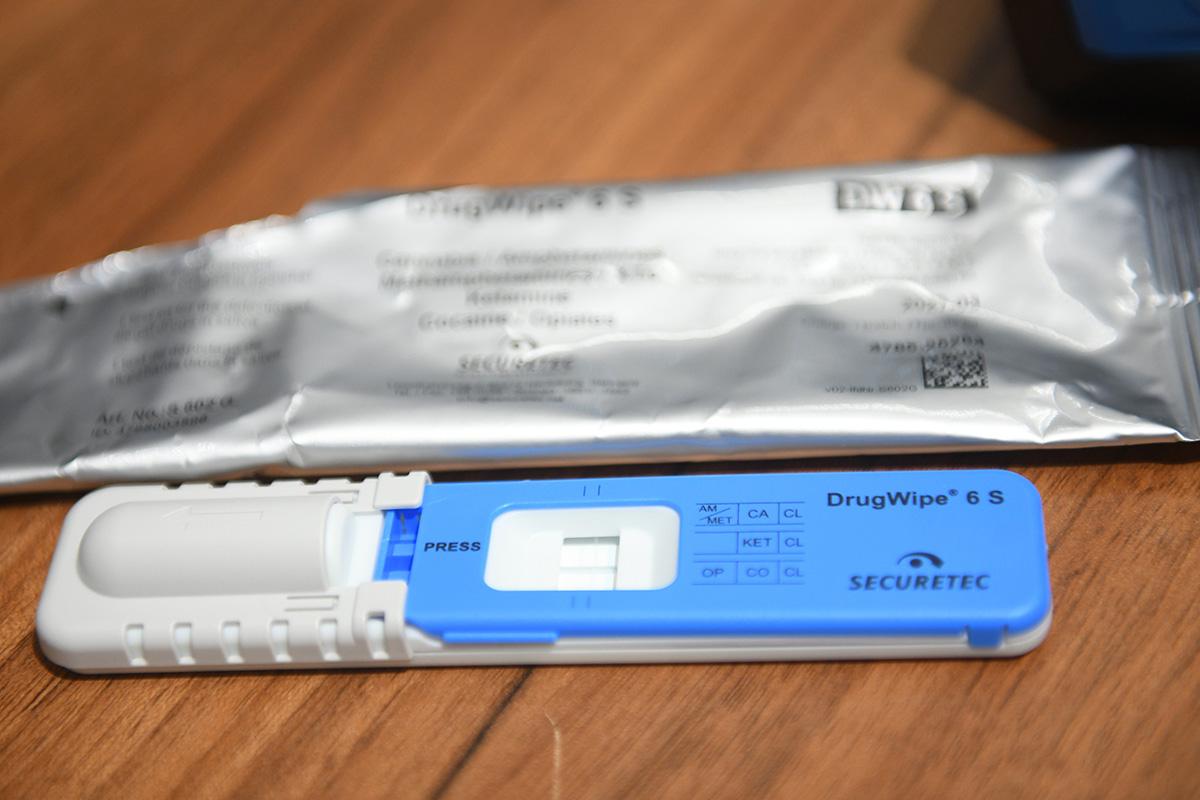 The police need to be trained to spot impaired driving, especially as some tests will show prescription drugs or legal cannabis use. Photo: Matthew Mirabelli
Alcohol, drugs among biggest culprits
Cusack said Malta’s road safety problem is comparable to Ireland’s and that alcohol and drugs continue to be one of the biggest culprits behind road injuries and fatalities.
He said that, internationally, alcohol is a contributing factor in about 25% to 30% of crashes.
Drugs contribute to 15% to 20% of crashes, with the main types being cannabis, cocaine, benzodiazepines and opiates, or narcotics.
He shared Ireland’s experience, where the introduction of mandatory alcohol testing was the most significant factor in reducing road deaths. Roadside drug testing, which was introduced in 2017, is also showing a reduction in crashes.
Cusack also called for a more holistic approach to dealing with drivers who are repeat offenders, noting that behind a positive drug test result often lies an ongoing addiction problem to either legal or illegal substances.
While punishment remains necessary, he urged the international community to link the criminal justice system with rehabilitation medicine.
This dual approach aims to diminish the chances of reoffending by getting the person back to a healthier lifestyle, creating a “huge gain for the individual, their family and society”.
While punishment remains necessary, he urged the international community to link the criminal justice system with rehabilitation medicine- Denis Cusack
Cusack will be in Malta on Wednesday to address a conference organised by the Insurance Association of Malta with the theme ‘Substance Abuse: The Power of Policy to Drive Change and Save Lives’.
The event will feature other international experts, the police commissioner, Madame Justice Consuelo Scerri Herrera, Maltese health experts and policymakers, among others, to discuss how Malta’s roads can become safer.
The conference will cover the challenges of intoxication on the road and at the workplace, traffic law enforcement and the police’s role.
It is part of the association’s efforts to push for changes that will make roads safer.
The event will be held at the Xara Lodge. Admission is free and anyone interested in attending can register here: https://forms.office.com/e/MEngfCsucH.