
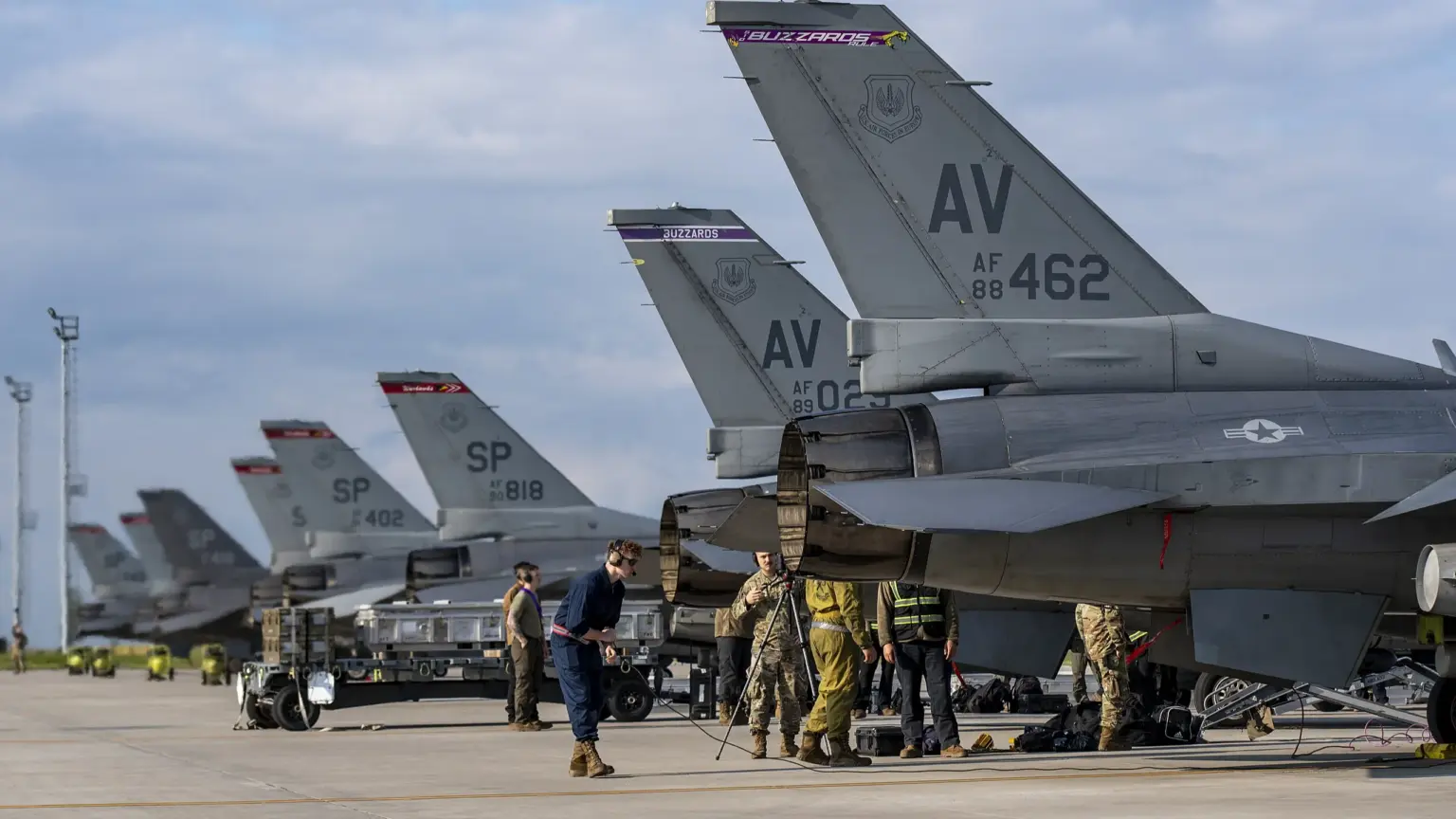
BUCHAREST– Romania has officially completed the transfer of eighteen second-hand F-16 Fighting Falcon fighter jets from the Netherlands for a symbolic price of one Euro (€1). The intergovernmental agreement was signed on November 3, 2025, at the Ministry of National Defence in Bucharest.
The aircraft, previously in service with the Royal Netherlands Air Force, have been based at Romania’s 86th Air Base in Fetești (FET) since 2023. They are currently used by the European F-16 Training Center (EFTC), a joint initiative between Romania, the Netherlands, and Lockheed Martin.
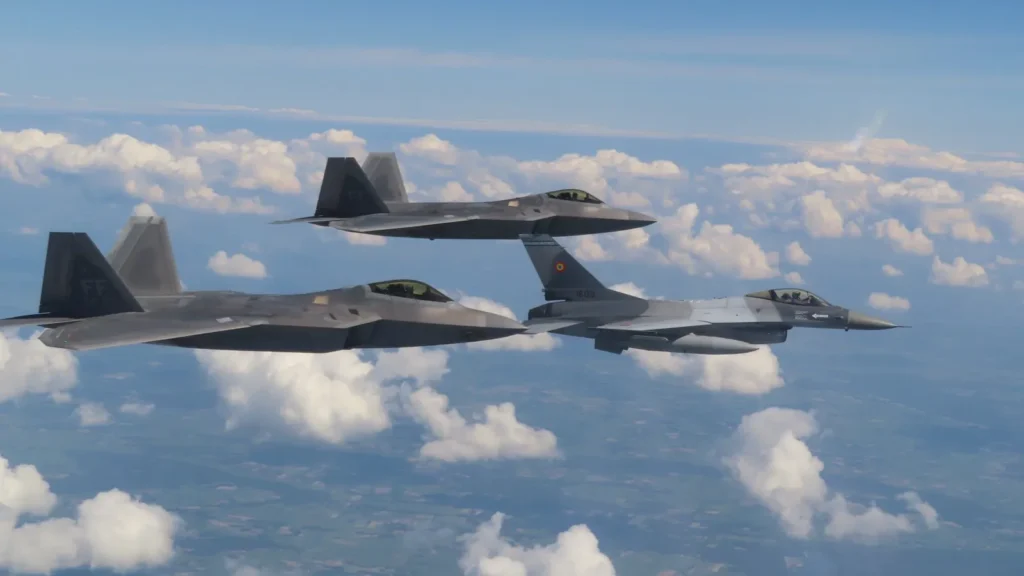 Photo: United States Armed Forces
Romania Acquires 18 F-16s at “€1”
Despite the nominal price of €1, Romania will pay about €21 million in value-added tax (VAT) to cover operational and logistics support for the fleet. The deal reinforces NATO’s commitment to strengthening the alliance’s eastern flank and enhancing pilot training capacity within Europe.
Romanian Defence Minister Liviu-Ionuț Moșteanu noted that discussions for the acquisition began during the NATO Summit held in The Hague earlier this year, where both countries agreed to extend the EFTC’s operation.
The aircraft will remain stationed at Fetești, continuing their role in advanced pilot training. Through the EFTC, Romanian, Ukrainian, and other allied pilots undergo comprehensive instruction in F-16 operations, benefitting from:
- modern simulators
- standardized NATO procedures
- Instructor support provided by Lockheed Martin.
Dutch Defence Minister Ruben Brekelmans said the move showcases practical cooperation among NATO allies.
He emphasized that the transfer gives the Dutch aircraft “a valuable new lease of life,” supporting both Romania’s air force and Ukrainian pilot training programs amid ongoing regional tensions.
ALSO READ: Germany Approves $8 Billion Defense Deal for New Fighter Jets
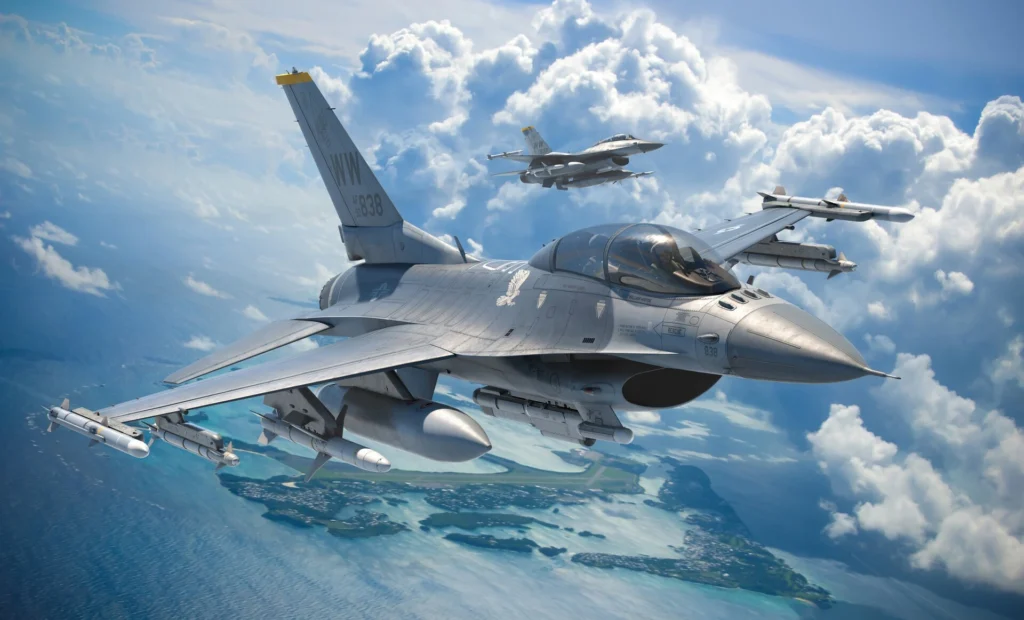 Photo: GoodFon
Romania’s Expanding F-16 Fleet
This addition raises Romania’s total F-16 inventory to 67 aircraft, complementing previous acquisitions from Portugal and Norway.
The new jets are F-16AM/BM variants—battle-proven and modernized to NATO standards. While primarily used for training, these fighters remain fully capable of performing air policing and tactical missions when required:
The EFTC, hosted by Romania, is Europe’s first comprehensive F-16 training facility that allows allied and partner nations to train together under identical operational standards.
Romanian pilots gain essential experience while Ukraine’s pilots transition from older Soviet-era aircraft such as the MiG-29 and Su-27 to Western fighter platforms.
The training center’s success lies in its structure: Romania provides the base and host-nation support, the Netherlands supplies aircraft, and Lockheed Martin delivers instruction and maintenance expertise.
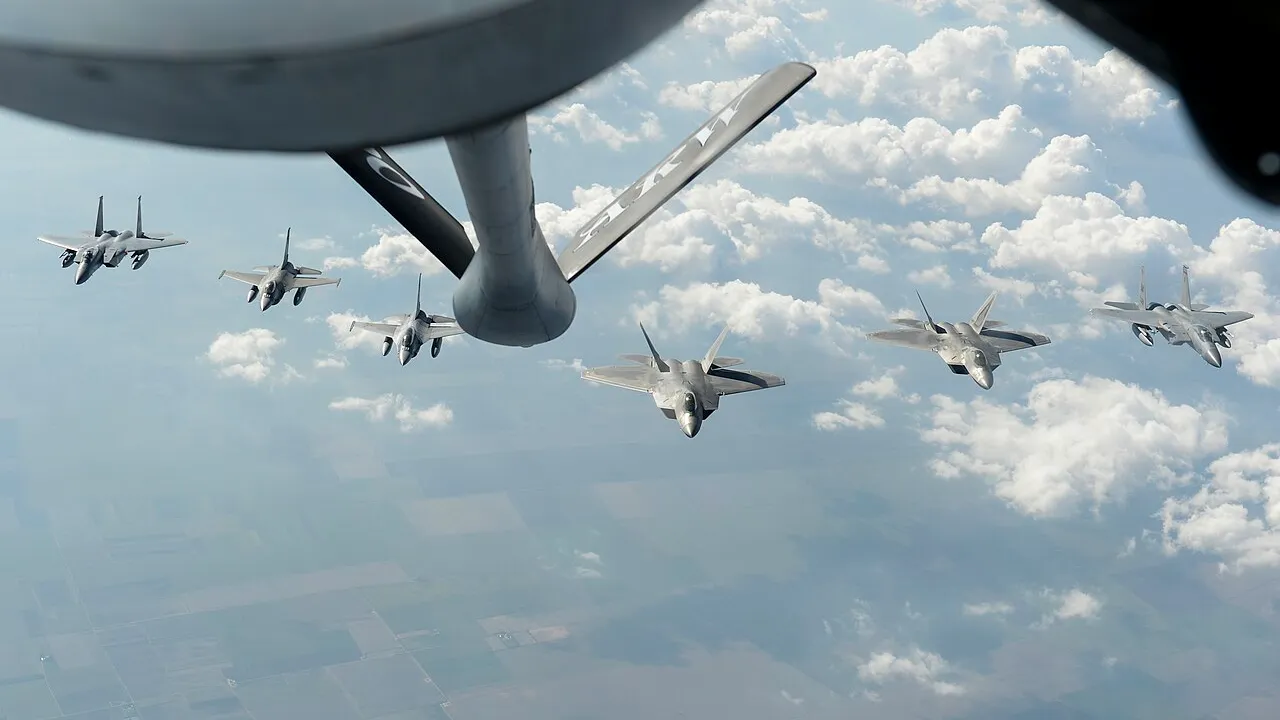 Photo: United States Armed Forces
Symbolism of the €1 Deal
The symbolic €1 price tag is not unprecedented in NATO’s history. In the 2000s, Germany transferred MiG-29 fighters to Poland under a similar symbolic arrangement. Such deals reflect allied solidarity rather than commercial value.
Compared to the estimated $70 million unit cost of modern F-16 Block 70/72 variants, this arrangement offers exceptional value while strengthening Romania’s defense capabilities and NATO interoperability.
For the Netherlands, the transfer helps accelerate the retirement of its F-16 fleet as it transitions fully to the F-35A Lightning II stealth fighter. For Romania, it ensures continued access to high-performance aircraft for training and operational use until its own F-35 induction in the 2030s.
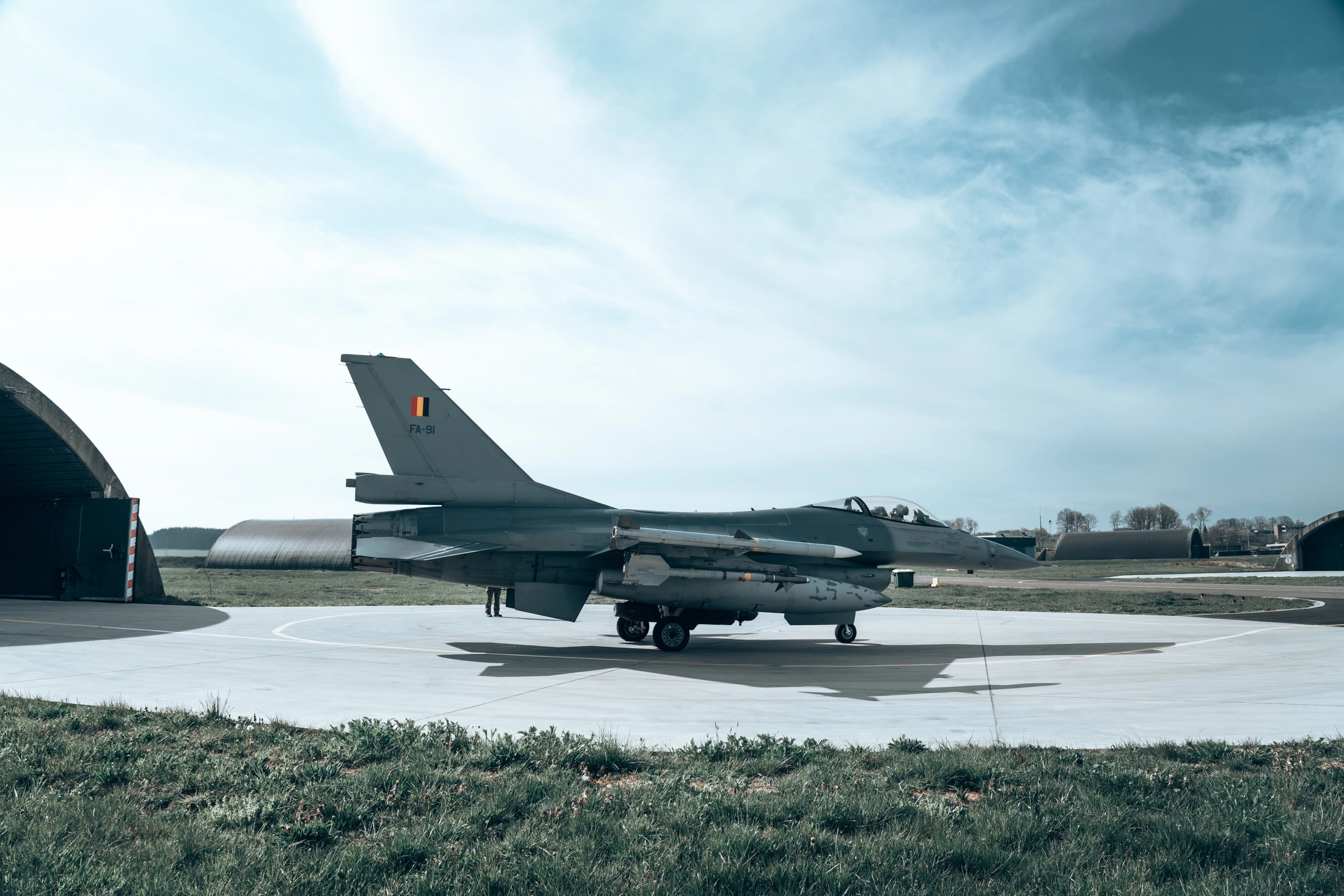 Belgian Air Component F-16 | Photo: NATO
Supporting Ukraine and NATO
The EFTC’s role has expanded significantly since 2024, when Ukrainian pilots began training on F-16s in Romania.
The center now serves as a cornerstone for Western pilot training in Europe, ensuring Ukrainian airmen meet NATO operational standards before the country receives its pledged 87 F-16s from partner nations including Denmark, Norway, Belgium, and the Netherlands.
The training center’s collaborative model also improves integration among NATO pilots, enhancing readiness across multiple European air forces. This shared framework ensures faster coordination, unified tactics, and strengthened deterrence along the alliance’s eastern borders.
Looking ahead, Bucharest plans to modernize its air force further. The government has already signaled intent to procure F-35 fighters within the next decade, with the F-16 fleet serving as an operational bridge until then.
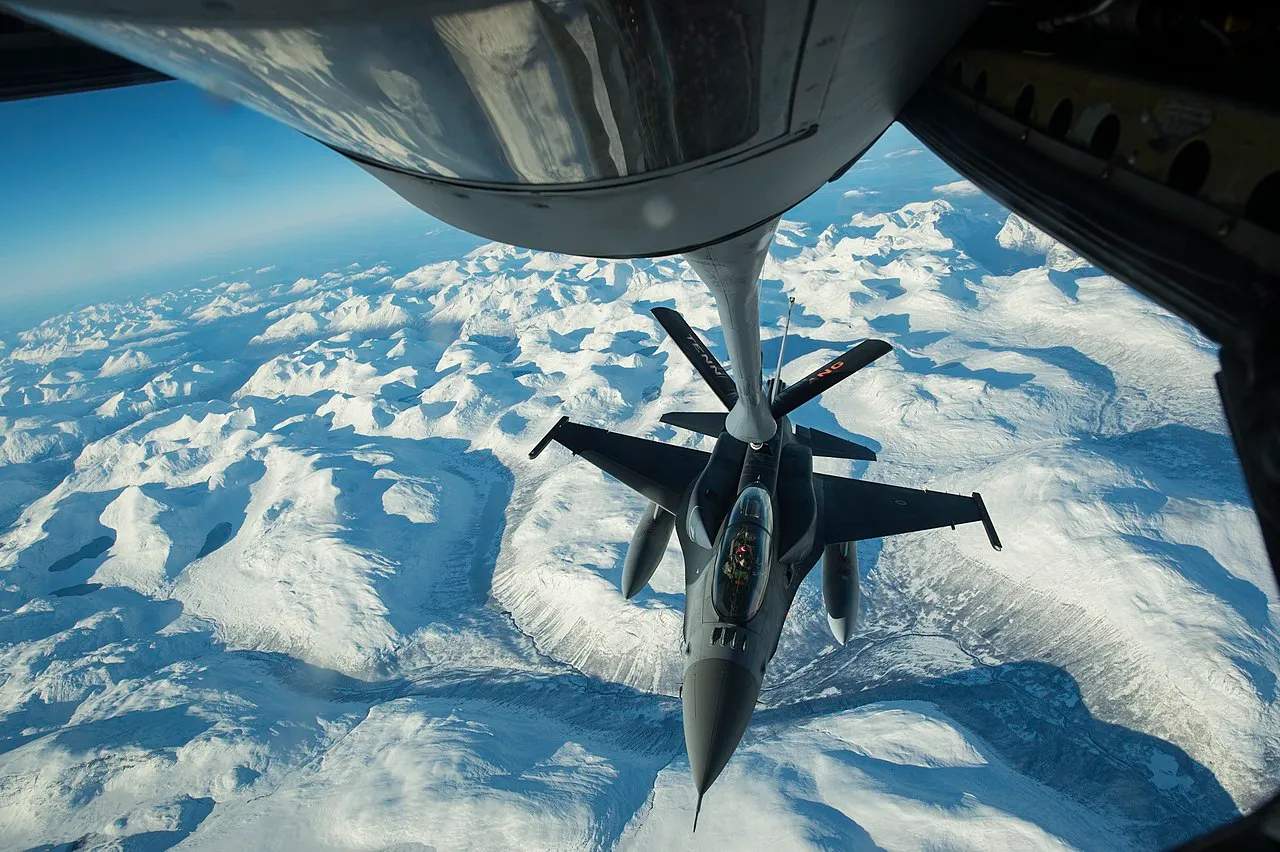 A Turkish F-16 Fighting Falcon refueling; Photo- Wikipedia
Bottom Line
Romania’s acquisition of eighteen Dutch F-16s for just one Euro symbolizes far more than a low-cost purchase. It reflects NATO’s commitment to cooperation, training, and regional defense consolidation.
The deal secures Romania’s role as a cornerstone of European pilot training, enhances readiness among allied forces, and deepens defense collaboration between Bucharest and The Hague.
As Romania continues to strengthen its air capabilities and prepare for the future transition to fifth-generation aircraft, the enduring legacy of the F-16 will remain critical to NATO’s security framework and the stability of Eastern Europe.
Stay tuned with us. Further, follow us on social media for the latest updates.
Join us on Telegram Group for the Latest Aviation Updates. Subsequently, follow us on Google News