
Published on
November 9, 2025

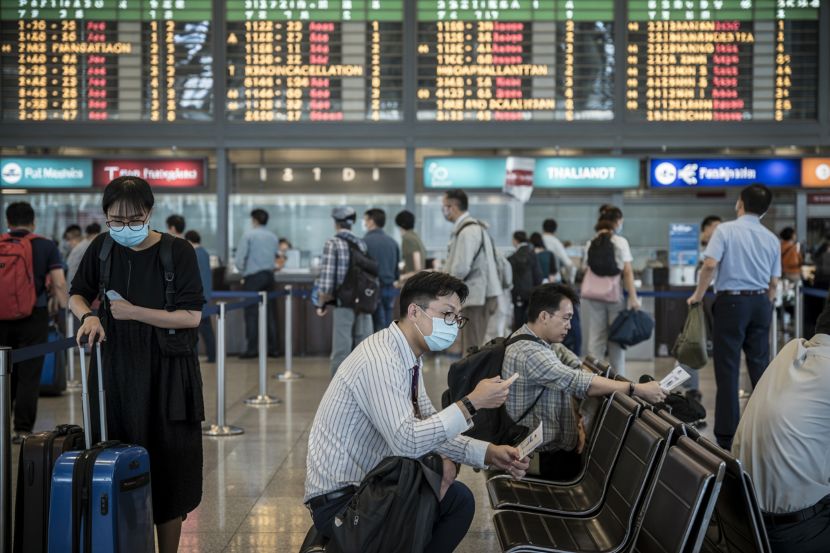
Airlines across Asia, including those in Thailand, Tibet, Indonesia, Japan, and China, have been grappling with widespread flight cancellations, leaving thousands of passengers stranded and creating travel chaos across the region. What began as a small disruption in isolated countries has escalated into a continent-wide crisis, affecting hundreds of flights daily. With weather disruptions, technical issues, and regional emergencies all contributing to this crisis, the scale of cancellations is raising concerns about the future of travel.
As major carriers struggle to recover, many passengers are facing significant delays and uncertainty, with the ripple effects felt not just in local airports, but across global travel networks. These disruptions underscore the challenges facing the aviation industry today, revealing vulnerabilities in flight scheduling, customer service, and crisis management.
Flight Cancellations Overview:
The weather-related flight cancellations that took place across multiple regions primarily affected six key airlines—Air China, China Express Airlines, Hokkaido Air System, Batik Air, Tibet Airlines, and Thai VietJet. Over the course of the weekend, these airlines grounded more than 65 flights, severely disrupting their regular schedules.
These cancellations primarily stemmed from severe thunderstorms, typhoons, and regional weather-related disruptions that led to poor visibility, strong winds, and safety concerns for travelers. The following section details the key cancellations and their impact.
Cancelled Flights Summary:Air China Flights (CCA)
Air China, one of the largest carriers in China, had a significant number of flight cancellations on Saturday and Sunday, with at least 20 flights grounded due to adverse weather conditions.
Key Data:
- Flight Numbers: CCA1425, CCA1263, CCA1202, CCA1565, etc.
- Affected Cities: Beijing, Chengdu, Xi’an, Hohhot, Guangzhou, Shanghai, Shenzhen
- Cancelled Flights: 20 flights
- Reason for Cancellation: Severe weather (likely thunderstorms, possible typhoon-related disruptions)
Impact on Passengers:
Passengers were left stranded at airports, and many flights were rescheduled with no clear information about alternative arrangements. Travelers faced long delays and confusion, especially with limited communication about rebookings and refunds.
China Express Airlines (HXA) Flights:
China Express Airlines has been heavily impacted by a series of cancellations across various domestic routes. The airline had to cancel a total of 20 flights, primarily due to adverse weather conditions, including poor visibility and heavy winds. Passengers traveling on these flights faced significant disruptions, with many left stranded at airports without timely updates on rebookings or alternatives.
Key Routes Affected:
The cancellations affected several key routes, including:
- Zunyi Maotai Airport (WMT) to Zhanjiang (ZHA).
- Ulanhot (HLH) to Hohhot Baita Int’l (HET).
- Hailar Dongshan (HLD) to Xilinhot (XIL).
- Jining (JNG) to Quzhou (JUZ).
- Chifeng (CIF) to Hohhot Baita Int’l (HET).
Total Number of Flights Cancelled:
A total of 20 flights were cancelled, impacting several regional hubs and routes across China. These cancellations led to significant delays and operational bottlenecks at key airports.
Impact on Passengers:
Passengers were caught off guard as many had to deal with extended delays and lack of timely communication from the airline. The uncertainty about rescheduled flights led to frustration and confusion among travelers, especially for those who were connecting to international flights. Many passengers were forced to make alternate arrangements, resulting in increased financial burden due to unexpected hotel stays, meals, and transportation.
Hokkaido Air System (NTH) Flights
Hokkaido Air System, a regional carrier based in Japan, had 17 cancellations over the weekend. The weather disruptions were reportedly linked to regional heavy snow and strong winds, which caused visibility issues in Northern Japan.
Key Data:
- Flight Numbers: NTH2861, NTH2824, NTH2755, etc.
- Affected Cities: Sapporo, Kushiro, Hakodate, Akita
- Cancelled Flights: 17 flights
- Reason for Cancellation: Heavy snow, strong winds
Impact on Passengers:
Passengers were forced to rebook their flights as many of them faced delays that ranged from a few hours to full-day disruptions. Airports in Sapporo and other northern cities were overwhelmed by the influx of stranded passengers.
Batik Air (BTK) Flights
Indonesian airline Batik Air grounded 8 flights across several airports in Indonesia due to severe weather conditions. Flights from major cities like Jakarta, Surabaya, Yogyakarta, and Bali were among those most affected.
Key Data:
- Flight Numbers: BTK6576, BTK7579, BTK6367, BTK6142, etc.
- Affected Cities: Jakarta, Surabaya, Yogyakarta, Bali, Makassar
- Cancelled Flights: 8 flights
- Reason for Cancellation: Heavy rainfall, stormy conditions
Impact on Passengers:
With flights cancelled, passengers faced long waits and a backlog of rescheduled flights. The heavy rainfall also impacted airport infrastructure, causing issues with baggage handling and other airport services.
Thai VietJet (TVJ) Flights
Thailand’s Thai VietJet was also affected by adverse weather, especially due to severe thunderstorms. A total of 2 flights were cancelled on Sunday.
Key Data:
- Flight Numbers: TVJ350, TVJ351
- Affected Cities: Bangkok, Surat Thani
- Cancelled Flights: 2 flights
- Reason for Cancellation: Thunderstorms
Impact on Passengers:
The limited number of cancellations were still enough to create chaos, particularly for passengers trying to catch connecting flights. Delays and cancellations were the primary challenges, with many travelers forced to reschedule at short notice.
Tibet Airlines (TBA) Flights
There were two flights cancelled by Tibet Airlines (TBA) on Sunday. These cancellations affected domestic flights between Mianyang Nanjiao (MIG) and Nyingchi Mainling (LZY). The cancellations were likely due to weather conditions or operational issues. Key airports affected include Mianyang Nanjiao Airport and Nyingchi Mainling Airport, both of which experienced disruptions.
Impact on Passengers:
Passengers were left stranded as these two critical flights were cancelled. Many had to face delays and uncertainty about rescheduling their flights. Passengers could potentially miss important connections, and the lack of immediate communication from the airline may have led to further frustration and inconvenience.
A Global Aviation Crisis
Across Asia, flight cancellations have evolved from isolated incidents into a global aviation crisis. Whether caused by extreme weather, technical failures, or political unrest, these disruptions highlight the vulnerabilities in the region’s air travel infrastructure. As the industry tries to cope with the fallout, airlines are struggling to maintain operations while ensuring passenger safety.
Impact on Passengers:
The most significant impact has been on passengers, who have faced extensive delays, missed connections, and inconvenience due to the cascading cancellations. Many have been stranded at airports, unsure about when or how they can rebook their flights.
Financial Burdens and Disruption:
For many travelers, the disruptions have caused financial strain, especially for those with tight travel schedules or pre-booked connections. The financial burden of rescheduling flights, accommodation, and food costs has been compounded by poor communication from airlines regarding flight status.
Impact on Local Tourism:
The cancellations have a ripple effect on local tourism, especially in regions heavily dependent on air travel. Popular destinations like Bali, Sapporo, and Jakarta have seen a significant drop in tourist movement, impacting hotels, restaurants, and local businesses. Tourists visiting these areas during the holiday season faced difficulties in sticking to their itineraries, with many forced to cancel or delay trips.
Conclusion: How the Industry Can Bounce Back
The aviation industry has faced one of its toughest tests, with unprecedented cancellations in recent weeks. However, there is hope that improved forecasting, advanced communication strategies, and better crisis management protocols will help prevent similar disruptions in the future.
With more collaboration between airlines, government agencies, and meteorologists, the industry can improve its resilience to weather-related disruptions. Ensuring that travelers are better informed and compensated will go a long way in improving trust in the industry, allowing airlines to recover from this temporary setback and ultimately come out stronger.
The information provided is sourced from FlightAware.
