
Published on
November 9, 2025

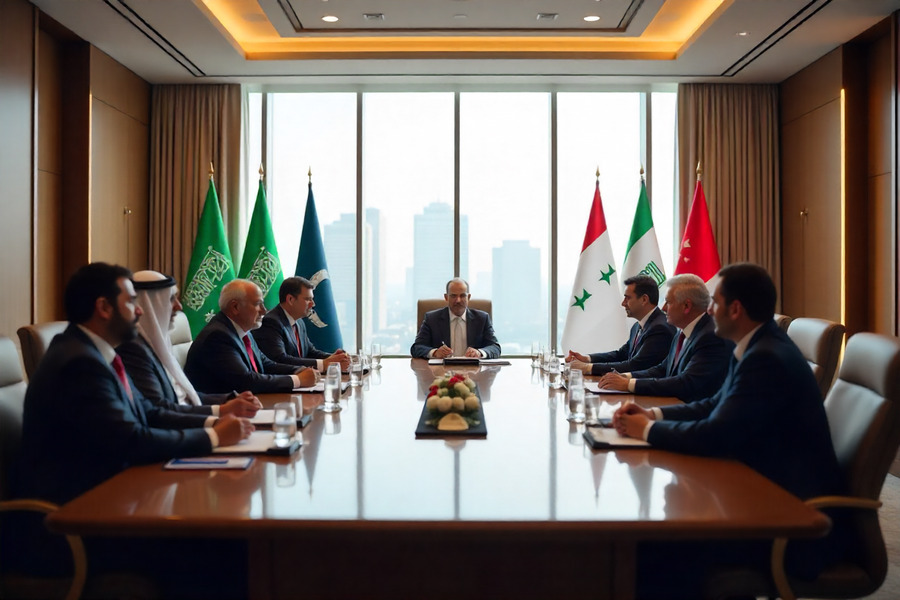
In a landmark gathering held in Riyadh, representatives from Jordan, Saudi Arabia, Syria, Kuwait, Tunisia, Greece, and Venezuela came together at the UNWTO Committee Meeting to forge stronger ties and collaborate on the future of global tourism. The meeting, which marked a significant step in international tourism diplomacy, focused on enhancing cooperation between countries to address challenges facing the sector and to foster sustainable tourism growth. With a shared vision of advancing tourism as a catalyst for economic development and cultural exchange, the committee’s efforts aim to promote cross-border tourism initiatives, encourage investment, and bolster regional collaboration, solidifying the importance of a united global tourism community.
Jordan’s Minister of Tourism and Antiquities recently led a pivotal session for the Committee on Associate Members of the UN World Tourism Organization (UNWTO) in Riyadh. The meeting, which took place during the 26th UNWTO General Assembly, served as a platform to discuss the growing role of public-private partnerships in tourism development. The Saudi Minister of Tourism was also present, underlining the importance of such collaborations in shaping the future of the global tourism industry.
The UNWTO plays a significant role in global tourism governance, and its Committee on Associate Members helps to foster the development of strong networks between the private and public sectors. During the meeting, the Jordanian Minister underscored the committee’s key role in encouraging businesses and governments to work together. This collaboration is essential in driving growth in the tourism sector, a vital part of many economies worldwide, including Jordan’s.
Tourism in Jordan has seen substantial growth over the years, with the country’s rich history, natural beauty, and cultural heritage attracting millions of visitors. However, the tourism sector, like many others, requires ongoing investment and strategic development to remain competitive on the global stage. This is where the committee’s work becomes crucial. By fostering partnerships, the committee can help unlock new opportunities for tourism destinations like Jordan to enhance their infrastructure, market their attractions more effectively, and improve the overall visitor experience.
Throughout the meeting, the Jordanian Minister stressed the importance of strengthening the contribution of the private sector to tourism development. The private sector often has the resources and innovative approaches needed to drive growth, and by collaborating with government agencies, these efforts can be amplified. Whether it is through improved marketing campaigns, better infrastructure, or the development of new attractions, partnerships between the private and public sectors are key to creating a thriving and sustainable tourism industry.
In addition to the discussions within the committee, the Jordanian Minister met with the newly appointed UNWTO Secretary-General. The Secretary-General made history as the first woman and second Arab to hold this prestigious position. The meeting provided an opportunity for the Minister to personally congratulate her on this remarkable achievement. With the tourism sector undergoing significant changes globally, the Minister and the Secretary-General discussed how to leverage the UNWTO’s resources and support to enhance Jordan’s tourism offerings.
One of the key topics of discussion was how to deepen cooperation between Jordan and the UNWTO. Jordan, with its rich historical and cultural heritage, is a prime destination for tourists seeking unique experiences. The country is home to several UNESCO World Heritage sites, including the ancient city of Petra, the Dead Sea, and the Roman ruins of Jerash. However, to attract more international visitors, Jordan needs to continue enhancing its tourism infrastructure and promotional efforts. Strengthening ties with the UNWTO could provide Jordan with valuable guidance and access to global resources that can help expand the country’s tourism industry.
In a move to further solidify these ties, the Jordanian Minister extended an invitation to the UNWTO Secretary-General to visit Jordan. The visit would provide the Secretary-General with a firsthand experience of the country’s tourism potential and an opportunity to witness the efforts being made to develop and promote Jordan’s tourism sector. The invitation highlights the Minister’s commitment to showcasing Jordan’s unique tourism assets and reinforcing the country’s position as a leading tourism destination in the Middle East.
Moreover, during the meeting in Riyadh, the Minister held discussions with the tourism ministers of several other countries. These discussions focused on enhancing international cooperation and exploring joint efforts that could benefit all parties involved. Some of the key areas of focus included sharing best practices in tourism marketing, improving air connectivity between countries, and exploring the possibility of joint tourism campaigns.
One of the most important aspects of these discussions was the emphasis on sharing experiences and knowledge. By learning from each other’s successes and challenges, countries can create more effective strategies for boosting tourism in their respective regions. In particular, Jordan’s position as a bridge between the Middle East and the rest of the world makes it a valuable partner in such discussions. The country’s unique geographical location, combined with its rich cultural and historical heritage, presents a wealth of opportunities for collaboration with other nations.
Improving air connectivity was another key topic of conversation. Easier access to Jordan through enhanced flight routes and transportation networks is essential to attracting more international visitors. Tourism is often one of the first industries to feel the effects of changes in air travel, and ensuring that visitors can easily reach Jordan is vital to maintaining a strong tourism sector.
The discussions also touched on initiatives that could help boost tourism activity across participating countries. These initiatives could range from joint promotional campaigns to the development of new tourism products and experiences that cater to a diverse range of travelers. By working together, countries can create a more integrated regional tourism market, which can lead to greater economic benefits for all parties involved.
Overall, the meetings in Riyadh provided a valuable opportunity for Jordan to engage with key players in the global tourism industry. The collaboration between the UNWTO, the private sector, and various government entities is crucial in creating a sustainable and prosperous future for tourism worldwide. As Jordan continues to develop its tourism industry, strengthening partnerships with international organizations like the UNWTO will be key to ensuring long-term success.
At the UNWTO Committee Meeting in Riyadh, Jordan, Saudi Arabia, Syria, Kuwait, Tunisia, Greece, and Venezuela united to strengthen global tourism by fostering collaboration, addressing sector challenges, and promoting sustainable growth for mutual benefit.
With ongoing efforts to enhance the tourism experience, improve infrastructure, and attract more international visitors, Jordan is positioning itself as a leader in the global tourism sector. By continuing to foster collaboration and build strong partnerships, the country is well on its way to further cementing its place as one of the Middle East’s most sought-after travel destinations.
