
Prime Minister Benjamin Netanyahu’s cabinet on Sunday approved a NIS 3.25 billion ($996 million) financial package for the period of 2025-2029, intended to “strengthen the status of career soldiers.”
Touted as including “a wide range of social and economic measures,” the aid package covers “compensation for loss of spousal income, a digital wallet, an expanded assistance fund, bonuses, housing benefits, academic studies, and more,” the government announced in a statement.
The joint initiative of Netanyahu, Defense Minister Israel Katz, and Finance Minister Bezalel Smotrich “includes new grants and incentives for career soldiers, a financial and emotional assistance fund for them and their families, and a personal digital wallet worth thousands of shekels for fees, welfare, and recreation.”
At the same time, the Israel Land Authority will work on promoting “dedicated housing solutions and benefits for home purchases” for career soldiers and combatants “with the goal of strengthening the soldiers’ economic security and encouraging continued long-term service,” the government announced.
Soldiers will also be given academic grants, while career soldiers and conscripts whose studies were interrupted by the war will be provided with special accommodations. Moreover, the government will declare a national day to honor the troops and “introduce priority in receiving services from government ministries for combat soldiers during emergencies.”
In addition, the government said that it will initiate what it described as “controlled data sharing” with local authorities in order to provide aid and benefits, while “formal recognition of military service will be established in state service tenders.”
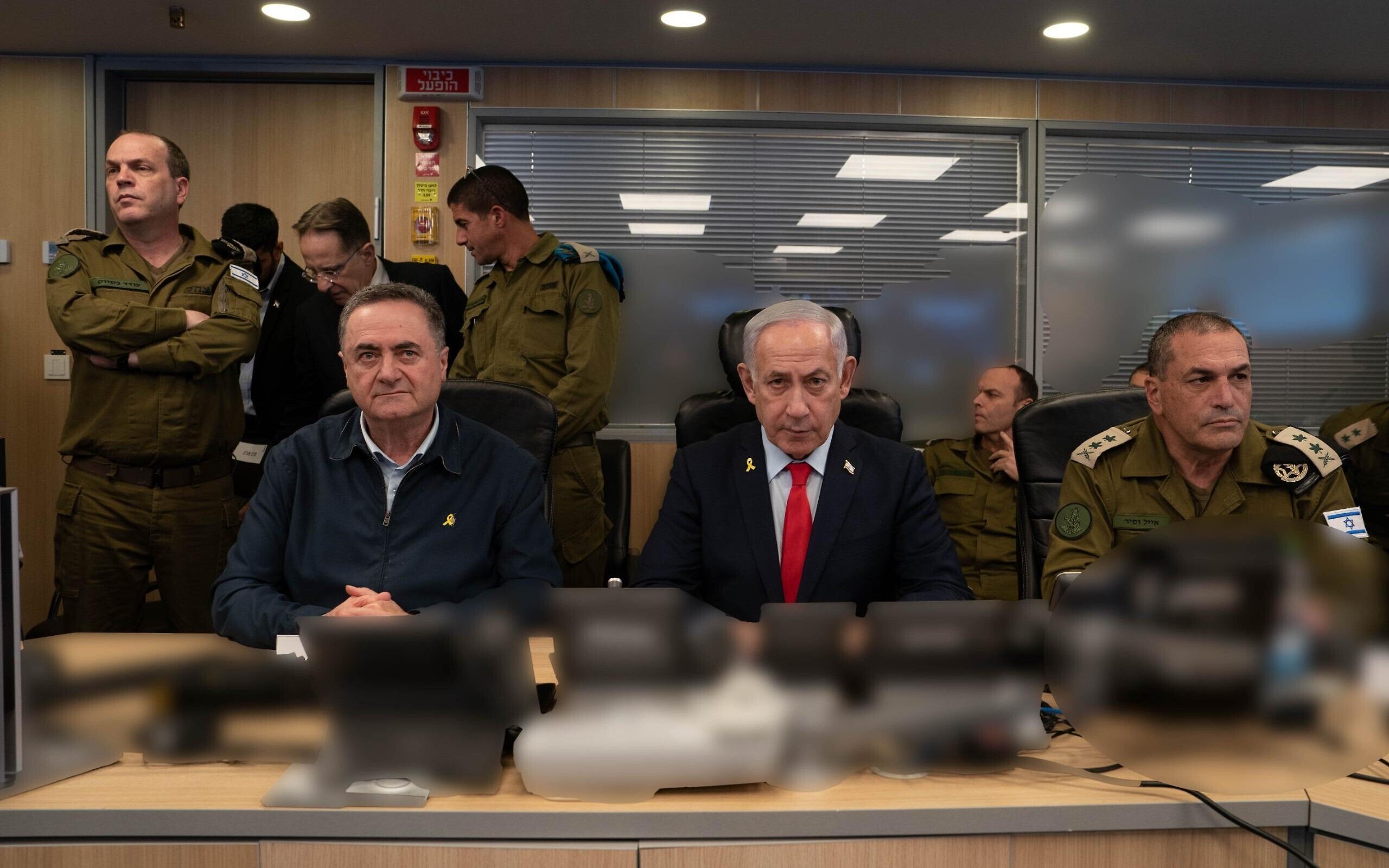
Prime Minister Benjamin Netanyahu (center), Defense Minister Israel Katz (left) and IDF Chief of Staff Lt. Gen. Eyal Zamir oversee airstrikes in Yemen, at the Defense Ministry headquarters, Tel Aviv, May 5, 2025. (Ariel Hermoni/ Defense Ministry)
“We promised to strengthen the IDF and its servicemen and women, and we are delivering,” Netanyahu boasted, calling career service people “the backbone” of the military.
“Since entering office, I have toured the field dozens of times, and in every visit I hear more from career soldiers and reservists about the personal and professional challenges they face,” said Katz.
IDF Chief of Staff Lt. Gen Eyal Zamir insisted that “the state is obliged to stand behind those who bear its security on their shoulders.”
“Anyone who places Israel’s security above all else deserves significant recognition — not just in words. This plan is far more than a budgetary line, it’s a moral statement and a powerful expression of the nation’s appreciation for those serving in permanent service, who, together with their spouses and families, bear the burden of Israel’s security,” declared Smotrich, adding that “we will continue to act for career soldiers, reservists, and everyone who does everything to protect our home.”
Boycotting for the reservists
The announcement of the government’s latest assistance package for IDF troops came less than a week after Smotrich warned that his Religious Zionism party will stop voting with the coalition until the Knesset passes legislation providing tax credits for IDF reservists.
In a statement last Wednesday, the far-right minister said that “in light of Likud’s refusal to advance the bill… to provide tax benefits to reservists, the Religious Zionism faction will not vote with the coalition until the Tax Benefits for Reservists Law is approved in second and third reading.”

Finance Ministry Bezalel Smotrich holds a press conference at the Ministry of Finance in Jerusalem on November 4, 2025. (Yonatan Sindel/Flash90)
“Reservists come first. The State of Israel owes them everything, and this outweighs any political consideration. No MK is allowed to harm reservists,” he said at the time.
Smotrich also clashed with the military over the 2026 budget, alleging that it was misusing the vast funds allocated it at a time of war and singling out what he called the wasteful callup of reserves for non-essential duties.
The government approved the tax benefits in August, and the legislation passed the first of three readings needed to become law, but has since been held up in the Knesset Finance Committee.
If passed, the bill would grant income tax credit points to combat reservists on a graduated scale based on the number of days served. Reservists would receive benefits depending on the time served and how many children they have.
However, Finance Committee chairman Hanoch Milwidsky has complained that there are significant economic disparities in the bill and asserted that it discriminated against lower earners.

An Israeli reserve soldier kissing goodbye to his child in Jerusalem, May 5, 2025 (Chaim Goldberg/Flash90)
Reservists have repeatedly complained about the personal and financial burden of their extended service since October 7, describing failing marriages, destroyed businesses and other hardships. IDF veterans have also argued that the government has not done enough to tackle rising suicide rates among those with post-traumatic stress disorder. The Defense Ministry has acknowledged that not enough resources have been made available to deal with the issue.
The government has approved several tranches of aid for reservists, the wounded and other troops since the beginning of the war. Last month, lawmakers passed legislation doubling the funding for organizations working with disabled soldiers.
Religious Zionism’s decision not to vote with the coalition will have little impact, as the coalition does not currently have a majority due to an ultra-Orthodox legislative boycott.