
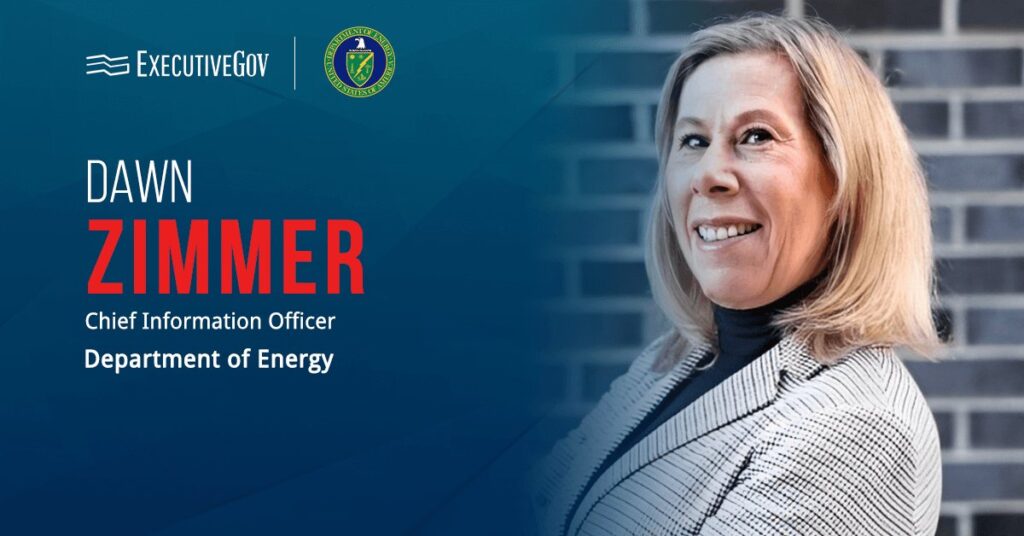
The Department of Energy has named Dawn Zimmer as its permanent chief information officer, marking the third official to hold the role since the start of the second Trump administration, NextGov reported Friday.
How Did Dawn Zimmer Take on Acting CIO Roles at Energy?
Zimmer, who joined the Energy Department as principal deputy CIO in November 2024, served as acting CIO multiple times during a rotation of short-lived permanent officials under Trump’s second term. She first assumed the role during the presidential transition, then briefly served as acting CIO after Ryan Riedel, who was appointed CIO in early February, vacated the position in March. Ross Graber was then appointed CIO but stepped down in July to take on the chief information security officer role at the National Nuclear Security Administration, paving the way for Zimmer to assume the acting CIO role once more.
Who Is Dawn Zimmer?
Zimmer is a 25-year IT veteran with extensive expertise in service delivery, business partnerships, relationship management, and strategic planning and execution. Before joining the Energy Department, Zimmer was the executive director of IT engagement and experience at Virginia Tech. She also served at the Federal Aviation Administration and the Department of Justice. Earlier in her career, Zimmer spent time at Ulticom, GE Capital and Gartner Group.
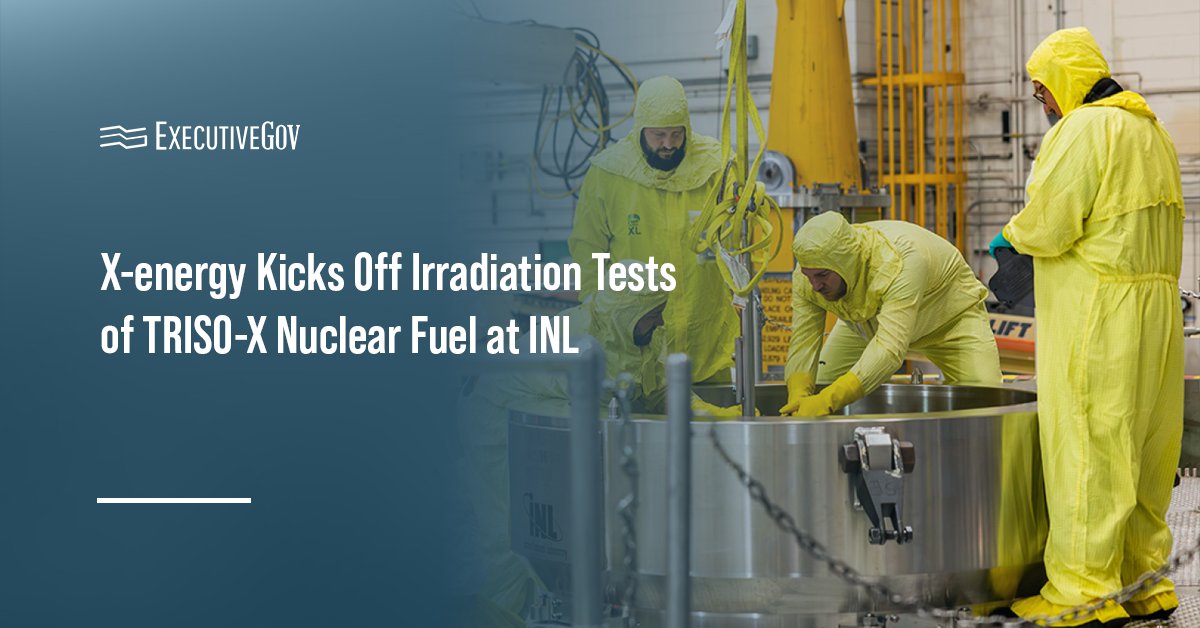
X-energy has launched the first U.S. irradiation tests of its advanced nuclear fuel, TRISO-X, at Idaho National Laboratory’s Advanced Test Reactor. The Department of Energy said Thursday the 13-month testing campaign is part of X-energy’s efforts to establish the country’s first commercial advanced nuclear fuel fabrication facility to advance the deployment of its small modular reactor design, Xe-100, and other commercial reactors. Why Is TRISO-X Testing at INL Important for Advanced Nuclear Energy? According to DOE’s Office of Nuclear Energy, the experiments will evaluate how the company’s fuel performs under a range of power levels, burnup conditions and temperatures. “TRISO-X

Defense Secretary Pete Hegseth, a 2025 Wash100 awardee, unveiled sweeping reforms to the Department of Defense’s weapons acquisition system during his speech Friday at the National War College in Washington, D.C. “Speed to delivery is now our organizing principle,” Hegseth said in his speech titled the “Arsenal of Freedom.” “It is the decisive factor in maintaining deterrence and warfighting advantage.” Following Hegseth’s announcement, the Potomac Officers Club’s 2026 Defense R&D Summit on Jan. 29 offers a timely opportunity to engage with the leaders shaping the future of U.S. military capabilities. Don’t miss your chance to connect with decision-makers and innovators

AI and machine learning are supercharging the Drug Enforcement Administration’s efforts to protect Americans from dangerous narcotics. From improving crime scene reconstruction and determining the origin of drug precursors, AI is helping the DEA work faster, smarter and more effectively. That doesn’t mean the DEA has abandoned tried-and-true technologies. It’s been awarding contracts to maintain its fleet of aircraft and for foreign language support in electronic surveillance. Let’s dig into the five biggest headlines the DEA has generated involving AI and other technologies. Get the scoop on the latest DEA business opportunities directly from DEA COO Gary Owen during his