
WASHINGTON (TNND) — As artificial intelligence and data centers place new strain on the nation’s power grid, the Trump administration is moving aggressively to expand America’s nuclear energy capacity.
For years, millions of Americans have watched their energy bills tick upward. (TNND)
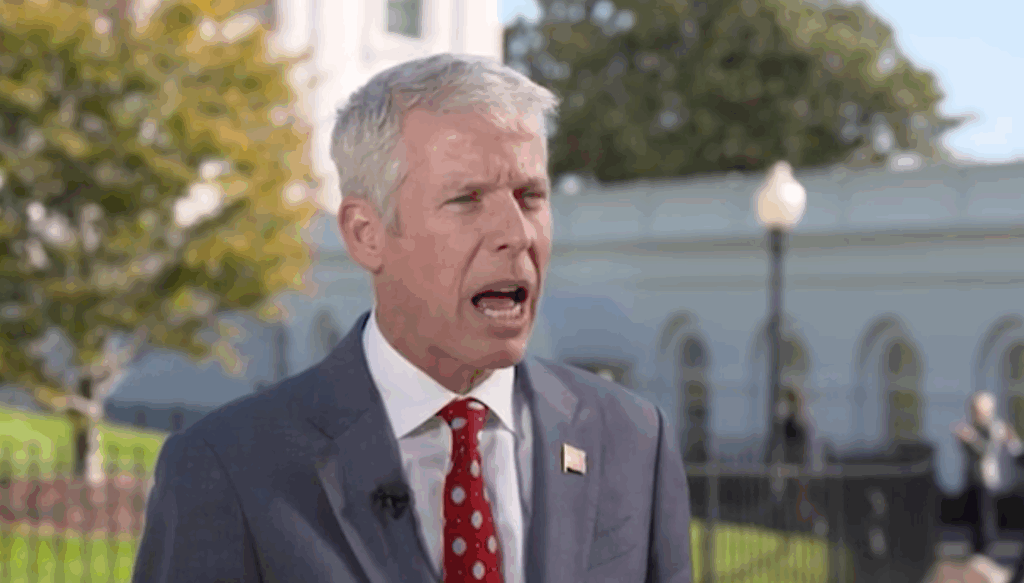
Energy Secretary Chris Wright said on Monday that most of the Department of Energy’s loan program funding will be directed toward nuclear power projects — part of a broader effort to meet growing electricity demands and drive down energy costs.
For years, millions of Americans have watched their energy bills tick upward.
From wildfires to natural gas prices, the causes behind rising energy costs vary across states. Inflation has added pressure, and now artificial intelligence is demanding a huge amount of energy. Data centers powering AI models from companies like Meta, Alphabet, and Microsoft require enormous amounts of energy — prompting many of those firms to invest directly in nuclear power.
“Big tech is a key part of the piece that’s going to relaunch American nuclear power,” Wright told The National News Desk. “They have a huge appetite for power. They want as much as they can get, not just hundreds of megawatts, but gigawatts…They’re willing to sign power purchase agreements. That’s the thing. You need to build a nuclear power plant. They’re willing to put equity capital in front of debt from the loan program office. They’re going to be absolutely essential to relaunching the nuclear renaissance.”
President Donald Trump, who campaigned on expanding U.S. energy production, has made nuclear a centerpiece of his “all-of-the-above” energy strategy. “We will embrace all forms of energy, including nuclear,” the president said earlier this year. “Nuclear’s a great energy.”
In May, Trump signed an executive order calling on the U.S. to break ground on 10 new large-scale nuclear reactors by 2030 — the first such expansion effort in decades. Currently, the United States operates 94 nuclear reactors, which provide roughly 19 percent of the country’s electricity, a share that has remained steady since the 1980s.
Wright said the administration is now reviewing potential reactor sites, with announcements expected in the coming months. “We’re looking at locations very carefully,” he said.
Last month, the administration finalized an $80 billion agreement with Westinghouse to build new reactors as part of that expansion.
Wright said the biggest challenges ahead are logistical.
“We have President Trump all in. We’re reforming the regulatory regime. We have lots of private capital and government capital to match it,” Wright said. “The problem right now is just execution — having enough workers and supply chain capacity to build these plants as quickly as we’d like.”
Trump has set a long-term goal of quadrupling U.S. nuclear capacity by 2050, a move his administration argues is essential to maintaining the country’s energy independence and supporting the rapid rise of artificial intelligence.