
Published on
November 15, 2025

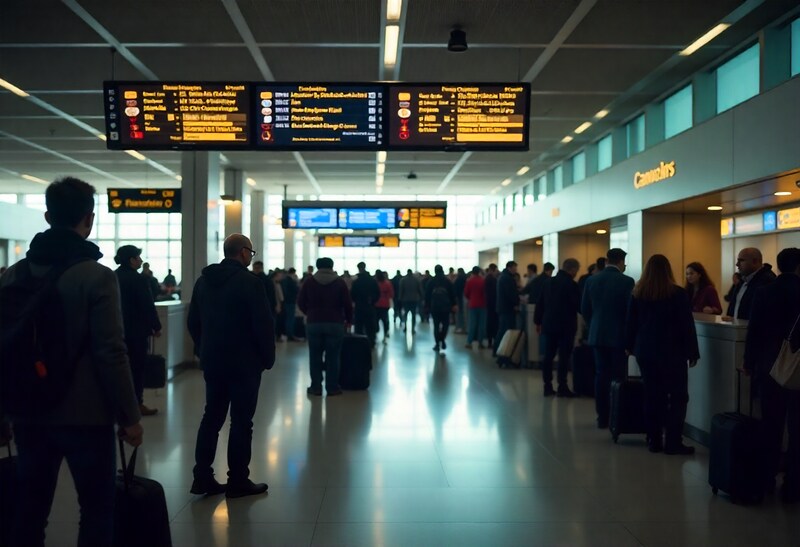
Italy is presently facing an immediate airport and air traffic emergency as unionized employees of Volotea, easyJet, and ENAV stage simultaneous coordinated walk-outs, activating comprehensive shutdowns across the country’s major airports. With participators of the strikes involving flight attendants, airline ground crew, and air traffic controllers, travel disruptions consist of cancellations and delays numerous. Affected air travelers, predominantly and overseas, are less mobilized. With the airports located in troubled centers, Milan Malpensa, Venice Marco Polo and Rome Fiumicino, all travelers must remain vigilant with their travel plans.
Italy is facing significant travel disruptions today due to widespread strike actions across the aviation and public transport sectors. A 24-hour walkout by cabin crew members of Volotea, combined with a four-hour strike by easyJet staff in Italy, has resulted in flight delays and cancellations at several major airports. Additionally, the air-traffic controller union ASTRA, part of ENAV, has joined in with a four-hour stoppage, affecting operations at 45 airports across the country. To compound the situation, public transport services in Rome have also been impacted, further complicating travel for passengers both arriving and departing from the Italian capital.
What This Means for Travelers
Travelers across Italy should expect significant disruptions today, particularly those flying with Volotea, easyJet, or traveling through major Italian hubs. The combination of airline crew walkouts, air traffic control strikes, and delays in ground handling operations creates a perfect storm of travel chaos, heightening the likelihood of flight cancellations and delays throughout the day. With the strikes taking place during key hours, travel plans are at risk of being severely altered, and passengers are advised to stay alert and monitor their flight statuses regularly.
One of the more worrying aspects of the strikes is the potential knock-on effect that could cause delays for flights even during “protected” time slots. According to Italian aviation rules, flights scheduled between 07:00-10:00 and 18:00-21:00 local time are supposed to operate even when strikes occur. However, the delays in air-traffic control and ground operations could still affect these “guaranteed” flights, meaning that even during these hours, travelers should remain prepared for possible setbacks.
Affected Airports and Airlines
Several major airports across Italy are at the center of the disruption, with high volumes of passengers expected to be impacted by the strike actions. Key airports facing the worst of the delays and cancellations include Milan Malpensa Airport (MXP), Milan Linate Airport (LIN), Venice Marco Polo Airport (VCE), Florence Amerigo Vespucci Airport (FLR), and Naples International Airport (NAP). Travelers should expect longer queues for check-in, additional security measures, and possible delays in baggage handling, all due to reduced staffing levels caused by the strikes.
The airlines most impacted by the industrial action are Volotea and easyJet. The 24-hour strike by Volotea’s cabin crew is likely to disrupt a large number of flights, while easyJet’s four-hour walkout, scheduled from 1:00 p.m. to 5:00 p.m., will lead to delays and cancellations on both domestic and international routes. Many of these flights operate through Italy’s busiest airports, and passengers should check their flight status early and often to avoid unexpected disruptions.
Air traffic controllers at ENAV-managed airports will also be taking part in a four-hour strike from 1:00 p.m. to 5:00 p.m. This action is expected to create significant delays to flights both departing from and arriving at airports under ENAV’s jurisdiction. These strikes, particularly in the afternoon, will likely see peak travel times affected, leaving many passengers stranded or rebooked onto later flights.
Advice for Travelers
Travelers planning to fly today, particularly those traveling to or from Italy, are strongly advised to check their flight statuses and stay informed on any potential cancellations or delays. Most airlines have dedicated disruption portals and mobile apps that will provide the latest information, and many offer rebooking options for severely delayed or canceled flights. Passengers may also be entitled to a refund if their flight is canceled, but it’s important to check the airline’s terms and conditions and understand that strikes are often categorized as “extraordinary circumstances,” which could limit compensation eligibility.
Tips for Navigating Travel During Strikes
If you’re traveling through Italy today, consider the following tips to minimize disruptions and make your journey more manageable:
- Check Your Flight Status Regularly: Stay updated on potential delays and cancellations through your airline’s app or website. Many airlines will also send SMS or email alerts if there are any changes to your flight status.
- Arrive Early: With the possibility of longer queues at check-in counters and security checks, it’s essential to arrive at the airport earlier than usual. Aim to arrive at least two to three hours before your flight, especially for international departures.
- Consider Booking Flights Outside Strike Hours: Flights that fall within the protected time slots of 07:00-10:00 and 18:00-21:00 local time are less likely to be impacted by strikes, though delays can still occur due to the ripple effects caused by previous disruptions. If possible, try to book flights during these periods for a smoother experience.
- Pack Carry-On Luggage: To avoid baggage delays caused by staffing shortages, consider packing light and bringing only carry-on luggage. This will not only expedite your travel through security but also reduce the risk of losing checked baggage in the event of flight cancellations.
- Build in Extra Time for Connections: If your flight is part of a multi-leg journey or involves a tight connection, be sure to build in extra time for potential delays. With airport operations potentially slowed down, it’s important to allow for enough time between connecting flights to accommodate any unexpected disruptions.
- Prepare for Ground Transport Delays: Public transport in Rome is also expected to be disrupted, so passengers arriving or departing via the capital should factor in the potential delays to their transfer plans. Make sure to check the status of trains, buses, or taxis, and allow additional time for any unforeseen transportation delays.
What to Do if Your Flight Is Canceled
If your flight is canceled, check with your airline immediately. Under EU regulations, passengers are entitled to compensation or alternative travel arrangements if their flight is canceled due to factors within the airline’s control. However, strikes by airline crew or air traffic controllers are often classified as “extraordinary circumstances,” meaning that compensation eligibility could be affected.
In many cases, airlines will offer passengers the option to rebook on the next available flight or issue a full refund if they decide not to travel. If you are not able to secure a rebooking, the airline may also provide you with hotel accommodation, meal vouchers, and transport to and from the airport if you’re stranded overnight.
Italy is grappling with a severe airport and air traffic crisis as strikes by Volotea, easyJet, and ENAV unions lead to widespread flight delays and cancellations. These walkouts have caused major disruptions at key airports, leaving travelers facing significant setbacks.
Today’s strike actions in Italy are set to cause major disruptions for travelers, particularly those flying with Volotea and easyJet or passing through Italy’s busiest airports. With significant delays and cancellations expected, passengers should stay informed, check flight statuses regularly, and plan for extra time at the airport to navigate the challenges posed by staffing shortages and disruptions. While these disruptions are expected to be temporary, being proactive and prepared will help ensure that your travel experience remains as smooth as possible during these turbulent times.
