
Published on
November 15, 2025

The Alpe Adria region, which crosses Austria, Italy, and Slovenia, is quickly emerging as a popular destination for active and outdoor travel. Travelers looking for adventure, nature, and sustainability have been drawn to this 410-kilometre stretch, which is mostly centered around the Alpe Adria Cycle Path. With over 35% of the region’s points of interest (POIs) devoted to outdoor activities, the increasing emphasis on active tourism is changing the face of travel throughout Europe. With an astounding average sentiment score of 90/100, these include lakes, climbing, hiking trails, cycling routes, and natural parks. This rating emphasises how alluring the area’s natural and exciting attractions are.
Slovenia Leads the Way in Active Tourism
Slovenia has emerged as the standout performer in the Alpe Adria region, largely due to its consistent investment in nature-based and sustainable tourism. The country has placed a strong focus on promoting eco-friendly and wellness-driven tourism, earning high praise from visitors. Notably, Slovenia scores an impressive 93.3/100 for visitor-perceived safety, establishing itself as a leader in traveller confidence within the region. Furthermore, Slovenia’s commitment to reducing seasonal tourism fluctuations has paid off, with strong demand for outdoor activities extending from October to April. This seasonal stability offers a model for other countries in the region, demonstrating how active tourism can foster year-round tourism flows and mitigate overcrowding during peak seasons.
Italy: A Rich Blend of Nature, Culture, and Gastronomy
Italy’s contribution to the Alpe Adria corridor is a compelling mix of natural beauty, cultural heritage, and gastronomy. The country’s outdoor tourism experiences are often complemented by high-value offerings, where visitors can explore scenic landscapes while indulging in Italy’s renowned culinary delights. With the Alpe Adria Cycle Path running through some of the most picturesque areas of the country, Italy successfully combines outdoor adventure with cultural immersion, making it a prime destination for tourists looking to experience nature in an enriching way. The nation’s commitment to active tourism has proven to be a key draw for international visitors, further solidifying Italy’s standing as a global leader in the sector.
Austria: Immersing in Nature and Adventure
Austria, known for its stunning alpine landscapes, plays an essential role in the Alpe Adria corridor. The country has capitalised on its natural beauty, offering a wide range of outdoor activities such as hiking, mountain biking, and climbing. Austria’s focus on “off-the-beaten-path” experiences has appealed to a growing number of adventure tourists, especially those seeking deeper immersion in nature. The nation’s infrastructure supports a variety of accommodation options, including campsites, lodges, and mountain huts, all of which help visitors connect more intimately with the surrounding environment. Austria’s offerings provide tourists with an ideal balance of adventure and tranquility, making it a premier destination for active tourism enthusiasts.
Sustainable Tourism and Visitor Satisfaction
Sustainability has become a central pillar in the Alpe Adria region, with an increasing number of travellers prioritising nature, wellness, and eco-conscious tourism. This shift in focus has been pivotal in enhancing visitor satisfaction across the region. Outdoor tourism not only provides a fulfilling experience for travellers but also contributes to the more even distribution of tourist flows, alleviating pressures during peak seasons. Destinations that prioritise sustainability have been instrumental in encouraging responsible tourism, which benefits local communities and rural areas while ensuring that the natural environment is preserved for future generations.
Shifting Traveller Profiles and Emerging Trends
Tourism data reveals a clear trend towards active tourism, with couples (39.8%) and families (30.6%) leading the demand for outdoor experiences in the Alpe Adria region. These segments seek experiences that combine adventure with relaxation, making the region’s offerings particularly appealing. As the trend for active tourism rises, neighbouring European markets dominate the source of accommodation bookings, with Germany, Austria, Italy, the Czech Republic, and the UK among the leading contributors. Although the digital engagement from German travellers has seen a slight decline, an increasing number of nearby travellers, such as Croatians visiting Slovenia, are contributing to the region’s growing popularity.
Accommodation preferences have also evolved. While hotels remain the dominant accommodation type (43.6%), the share of hotel bookings has dropped by 6.5% since 2022. This shift indicates the growing appeal of alternative lodging options such as apartments, guesthouses, and hostels. Budget-conscious travellers, in particular, are favouring these alternatives, with around 33% opting for 1-2 star or non-categorised accommodations. Midscale options, particularly 3-star hotels (31.2%) and 4-star properties (28.1%), are still in demand, but there is a noticeable gap in midscale availability in certain areas.
Rising Demand for Budget-Friendly Options
The demand for budget-friendly accommodations is becoming increasingly important as rising prices and insufficient midscale inventory push travellers toward more affordable lodging options. The trend for short-term rentals, including private apartments and guesthouses, is gaining momentum as these alternatives offer more flexibility and cost-effectiveness for tourists looking to stay within budget while enjoying their outdoor experiences. This shift in accommodation preferences reflects a broader trend in European tourism, where affordability and convenience are becoming key drivers of decision-making.
Mobility and Future Potential for Active Tourism
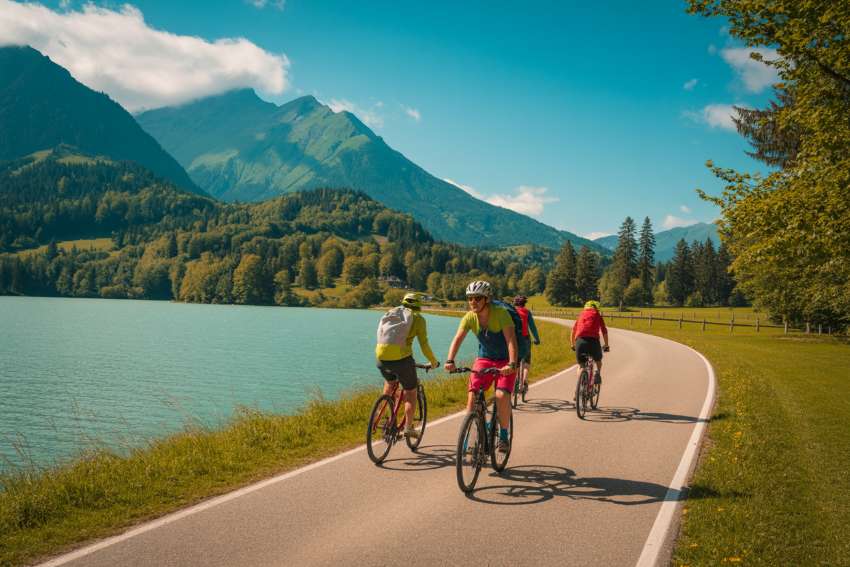
Cycling remains one of the standout activities in the Alpe Adria region, with the 410-km Alpe Adria Cycle Path continuing to attract cyclists from across the globe. This route, offering breathtaking views and challenging terrains, serves as a core attraction for active tourists. However, there is significant room for improvement in terms of transport and mobility. The region has the potential to enhance its infrastructure, particularly regarding electric vehicle (EV) charging stations and public transport networks, which could further elevate the region’s appeal as an eco-conscious destination. Expanding the availability of EV charging points, especially in more remote areas, would cater to the growing number of eco-conscious travellers while also encouraging longer stays in less-visited destinations.
Conclusion
In the Alpe Adria region, active tourism is fast emerging as one of the most potent growth engines. Austria, Italy, and Slovenia are all taking advantage of the growing demand for sustainable, nature-based travel. The Alpe Adria corridor is changing the face of European tourism by emphasizing outdoor recreation, rural development, and environmentally friendly travel methods. Travelers seeking adventure, relaxation, and sustainability will find a multitude of experiences in the Alpe Adria region, whether they choose to cycle through Austria’s alpine landscapes, hike in Slovenia’s pristine nature, or sample Italy’s culinary and cultural treasures. The area could set the standard for active tourism in Europe if it keeps making investments in eco-friendly options, accessibility, and infrastructure.
