

Russian fossil fuel exports dropped in October to their lowest level since Russia’s full-scale invasion of Ukraine, extending a downward trend with the previous low recorded just last month in September.
According to the Centre for Research on Energy and Clean Air (CREA), Russia exported fossil fuels worth €524 million ($609 million) per day in October 2025, marking a 4% decrease compared to September. The export of Russian fossil fuels is being hit by both Ukrainian attacks and sanctions.
Follow our coverage of the war on the @Kyivpost_official.
Top buyers and sanctions
China was the largest buyer of Russian fossil fuels, at €5.8 billion ($6.7 billion) in October, followed by India at € 3.1 billion ($3.6 billion). NATO member Turkey imported €2.7 billion ($3.1 billion) worth of Russian fossil fuels in the same month.
In October the U.S. announced sanctions on major Russian oil companies Rosneft and Lukoil due to Russia’s “lack of serious commitment to a peace process to end the war in Ukraine.” These sanctions target Russia’s energy sector to weaken its economy and pressure Moscow to agree to a ceasefire. Due to US sanctions, China, Turkey and India are expected to scale down their purchases of Russian oil in the coming future.
The EU purchased €1.1 billion ($1.3 billion) in fossil fuels from Russia in October. Landlocked Hungary was the largest buyer, acquiring €258 million ($300 million) worth of pipeline gas and crude oil. Slovakia followed, purchasing €210 million ($244 million) in the same categories. Both Hungary and Slovakia import crude oil via the Druzhba pipeline. France and Belgium imported liquefied natural gas (LNG) for respectively €209 million ($243 million) and €158 million ($184 million).
Other Topics of Interest
US Treasury issues multiple licenses – including a critical deadline extension – that critics say signal a reluctant, selective approach to punishing Moscow’s energy sector.
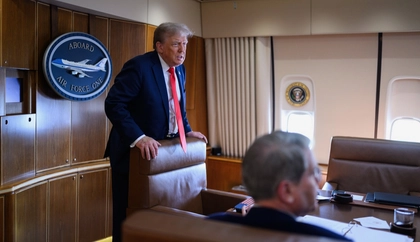
The Council of the EU adopted stricter sanctions in October, with its 19th package of sanctions against Russia, including a full ban on imports of Russian liquefied natural gas LNG starting January 2027 and tightening sanctions against Russian state-owned oil producers Rosneft and Gazprom Neft. Hungarian Prime Minister Viktor Orban announced that he wants to sue the EU over banning Russian gas imports. Trump urged NATO members to stop buying Russian oil but granted Hungary a one-year waiver for pipeline imports of Russian oil and gas.
Ukrainian attacks
Ukraine is targeting Russia’s oil industry to deprive it of funds for its war chest. Between August and October, Ukraine’s drone and missile attacks disrupted 20% of Russia’s refinery capacity.
Russia absorbed the damage partly by using idle units. In a continuation of its strikes, overnight on Thursday Ukraine executed a massive drone attack on Novorossiysk, setting the key Sheskharis oil terminal on fire and suspending oil shipments.