
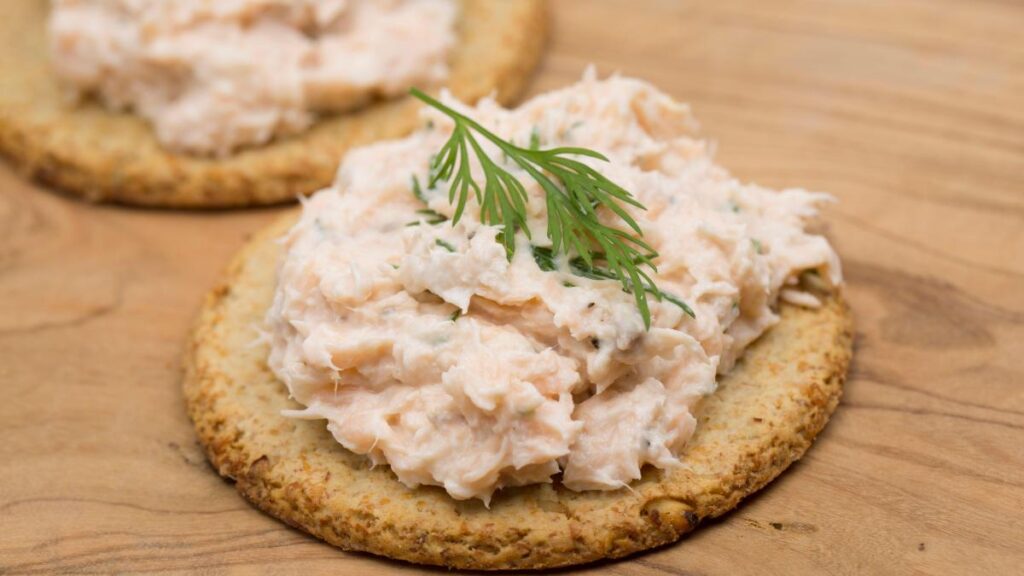
Ministers are battling to save the humble British oatcake, which is at risk from a Brussels ban as part of Sir Keir Starmer’s reset with the European Union.
In what is being seen as a repeat of the Brexit “sausage wars” the government is fighting a rearguard action to exempt British oats from tough European food safety rules.
The regulations were brought in after Britain left the EU, but would be automatically imposed in this country under Starmer’s plans to realign the UK with European agricultural standards.
As a result the industry has warned ministers that the edict could leave supermarket shelves bare of British-grown oatcakes and devastate farmers who rely on the crop for their income.

A crop of oats is harvested near Hollingbourne, Kent
DAN KITWOOD/GETTY IMAGES
The problem was identified by farming groups last year after a decision by the European Commission to impose restrictions on the level of mycotoxins — a type of naturally occurring mould — that can be contained in products sold in the EU.
In high doses mycotoxins can be damaging to human health and in its ruling the EU said that without tougher rules oat-derived products eaten in large quantities could be a “potential health concern”.
• Would the UK be better off without Brexit?
But the move threatens to discriminate against British oat farmers as mycotoxins occur more often and in larger concentrations in damp coastal climates such as the UK’s.
The concern is that in warm, wet years large volumes of the UK oat crop would be judged unfit for human consumption under the EU regulation and would be unsellable.
This is despite a study by the Food Standards Agency in 2014 which found that although the toxins were present at low levels in a wide range of oat-based food types available in the UK they were “well below the tolerable daily intake”.
In response to the EU move the UK’s committee on toxicity, which advises the government on chemicals in food, consumer products and the environment, reviewed its existing advice on mycotoxin and in preliminary guidance found that the UK’s existing health-based rules were sufficient.
The minister for EU relations, Nick Thomas-Symonds, who is in charge of negotiating the reset, is understood to have raised the issue with his EU counterparts and is dealing with it directly. “This is something he knows needs to be fixed,” said a government source.
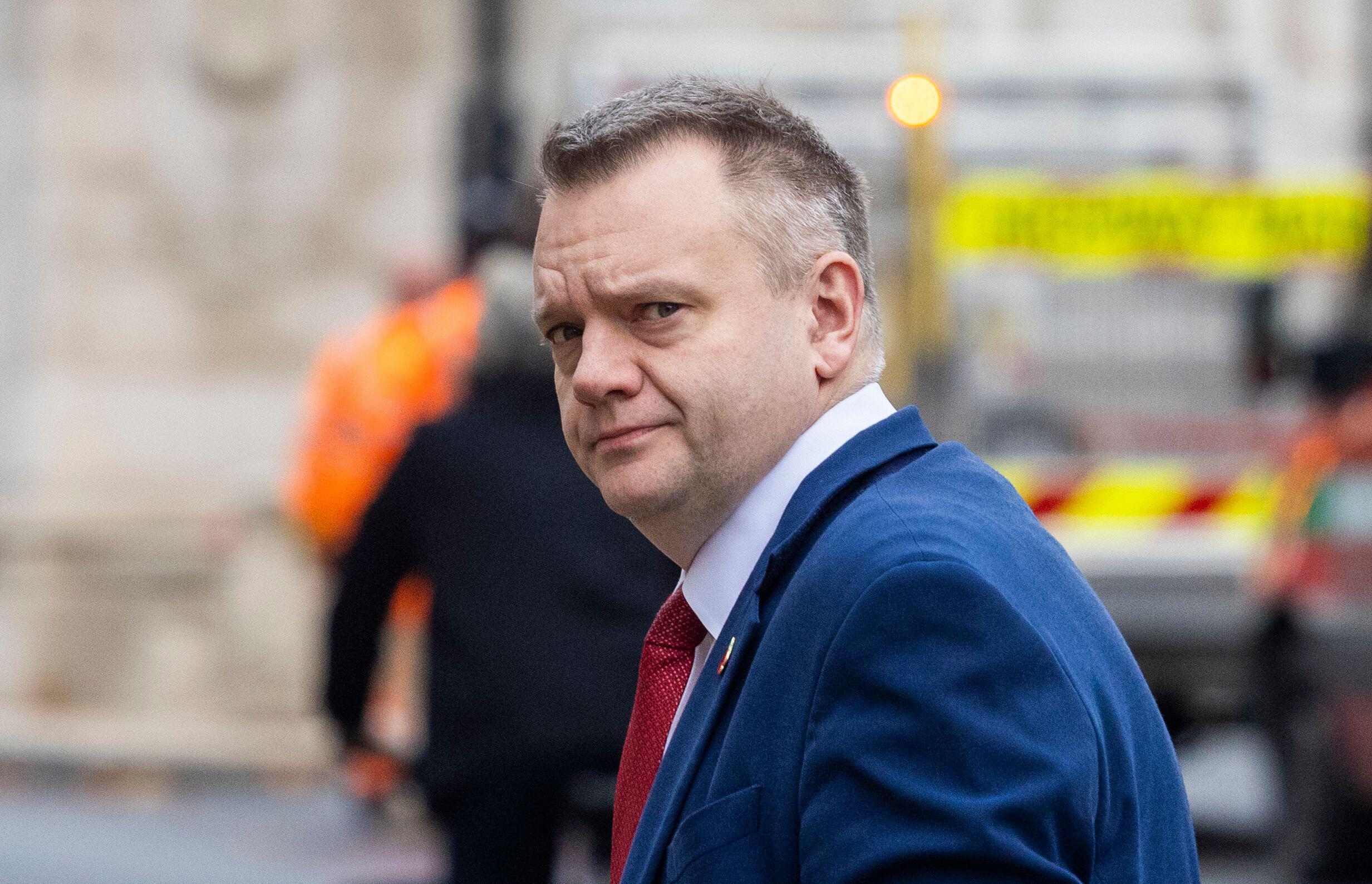
Nick Thomas-Symonds
MARK THOMAS/ALAMY
The UK is looking for an exemption from the EU rules, along with a number of other opt-outs including in controversial areas such as gene-edited crops.
One industry figure said that no deal had yet been reached and that the EU was concerned about making any concessions that would be seen as giving the UK preferential treatment.
“It is hard to argue that a rule that applies in all member states should not apply over here if we have automatic access to the EU markets,” they said.
Tom Bradshaw, president of the National Farmers Union, said it was urging ministers to hold firm. “The EU’s decision to change their regulations on mycotoxins is a significant threat to British cereal farmers. Already, as a result of this decision, if you have a wet year then that could limit exports of cereal crops like oats to the EU, and products made with oats like oatcakes.
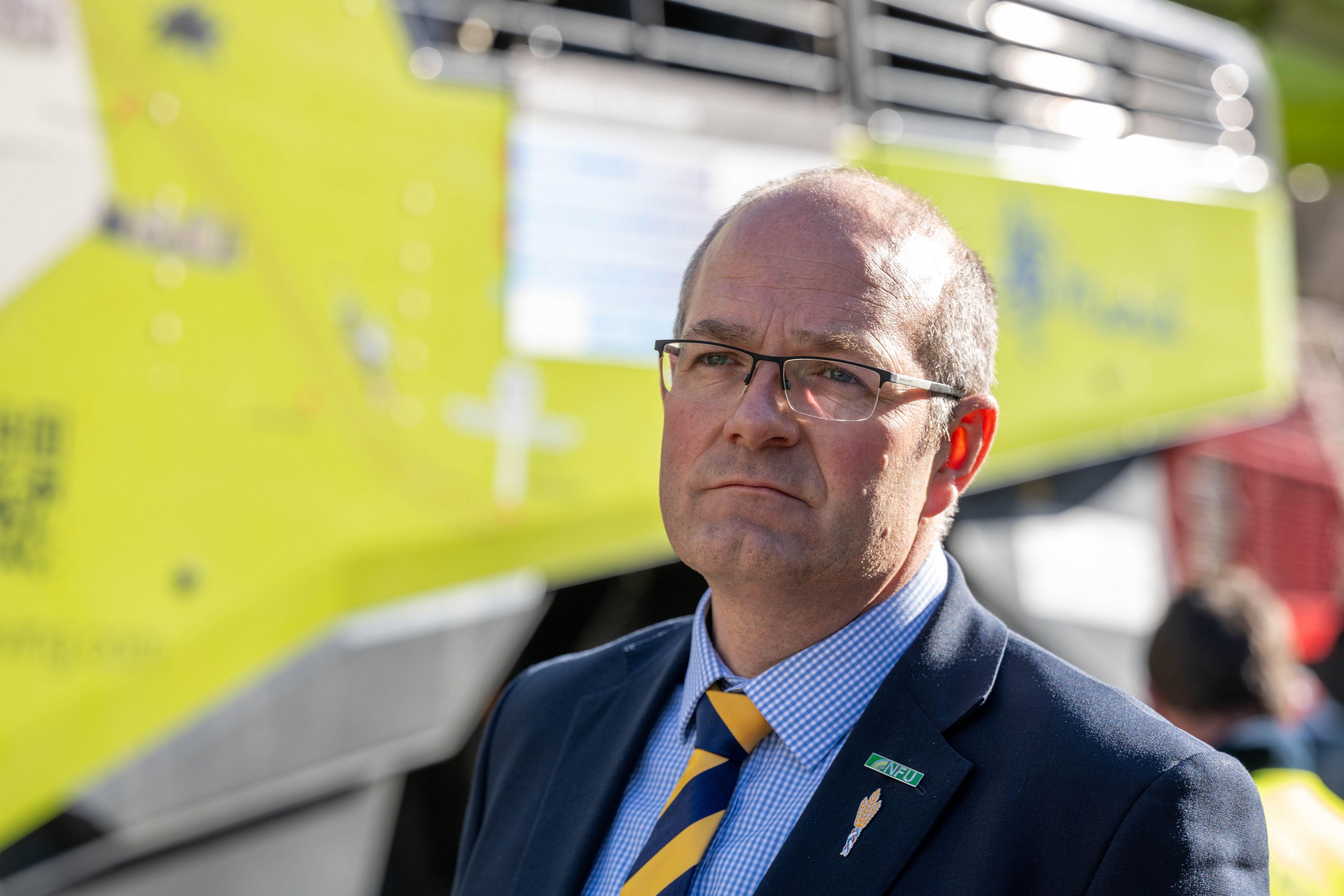
Tom Bradshaw
IAN DAVIDSON/ALAMY
Bradshaw added: “But the real worry comes with the EU reset, which means we in the UK will also have to apply this regulation here. That would be devastating for farmers who could be faced with an entire crop that is unsellable as well as threatening supply of produce such as porridge oats and oatcakes.
“We have urged ministers to raise this with the EU as a matter of urgency in the negotiations to ensure that the UK has an opt-out to comply with the existing standards that are safe for consumers and more appropriate for the UK’s climatic conditions.”
A Cabinet Office source said the EU had accepted there would need to be a “number of areas where we need to retain our own rules”. They added: “The details of these are subject to negotiation, but we have been clear about the importance of being able to set high animal welfare standards, support public health and support the use of new and innovative technologies.”

Sir Keir Starmer meeting Ursula von der Leyen, the president of the EU Commission, at Lancaster House, London, in May
CARL COURT/GETTY IMAGES
The dispute has echoes of the great sausage wars of Brexit when the EU threatened to prevent British sausages being sold in Northern Ireland because they breached Brussels regulations about the sale of chilled uncooked meat. In the end that was solved after the EU backed down in return for the UK labelling packets “not for EU” on them.
A government spokesman said: “A food and drink deal will slash red tape and costs, support British businesses and could add up to £5.1 billion a year to the economy.
“In May we agreed with the EU that there will be some areas where we have a carve-out from EU rules. We won’t get ahead of the talks starting next week.”