
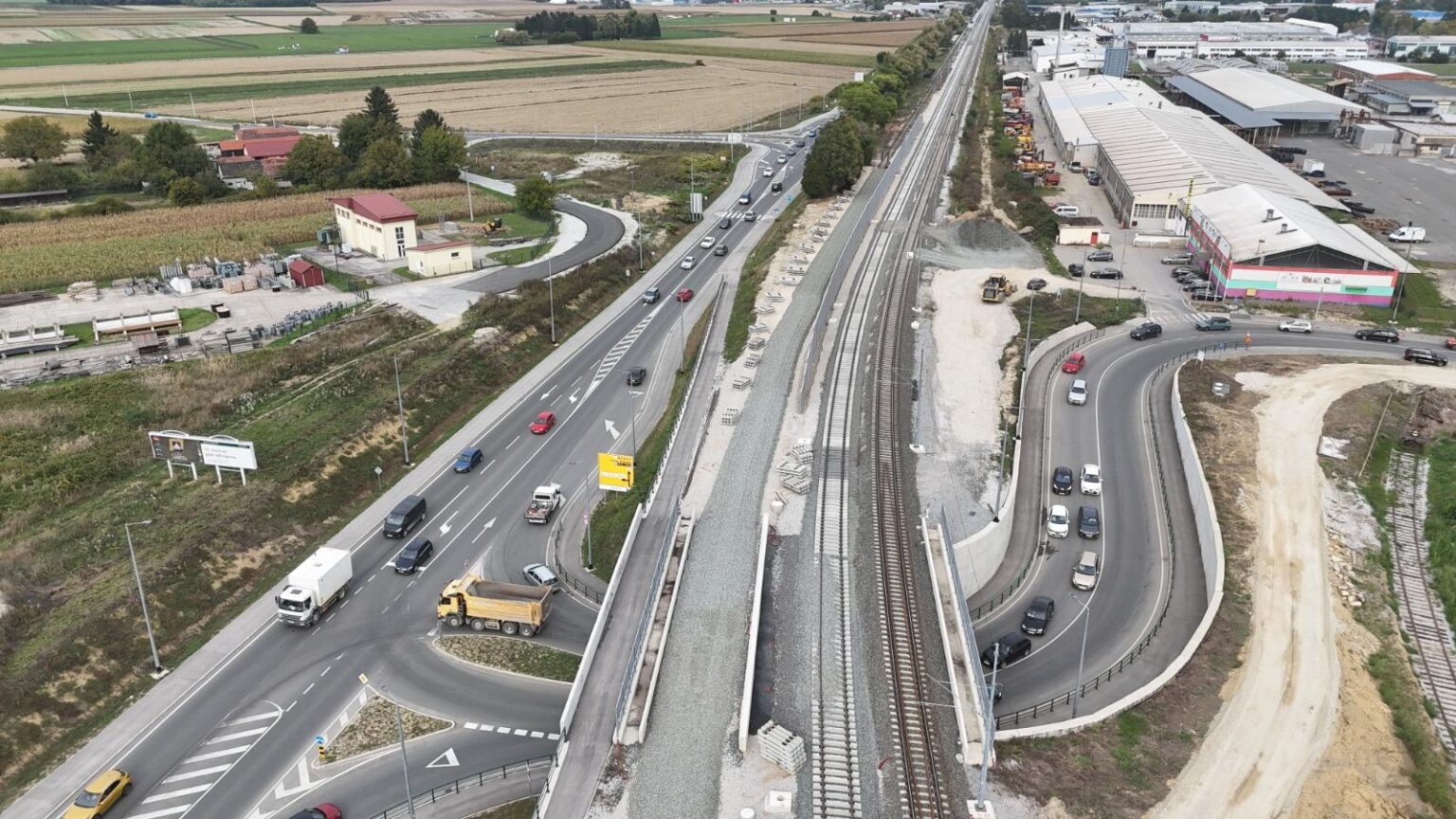
The European Investment Bank (EIB) is considering a EUR 92 million loan to support upgrades on the 42.6 km Križevci – Koprivnica rail section in Croatia, part of a broader investment valued at EUR 469 million.
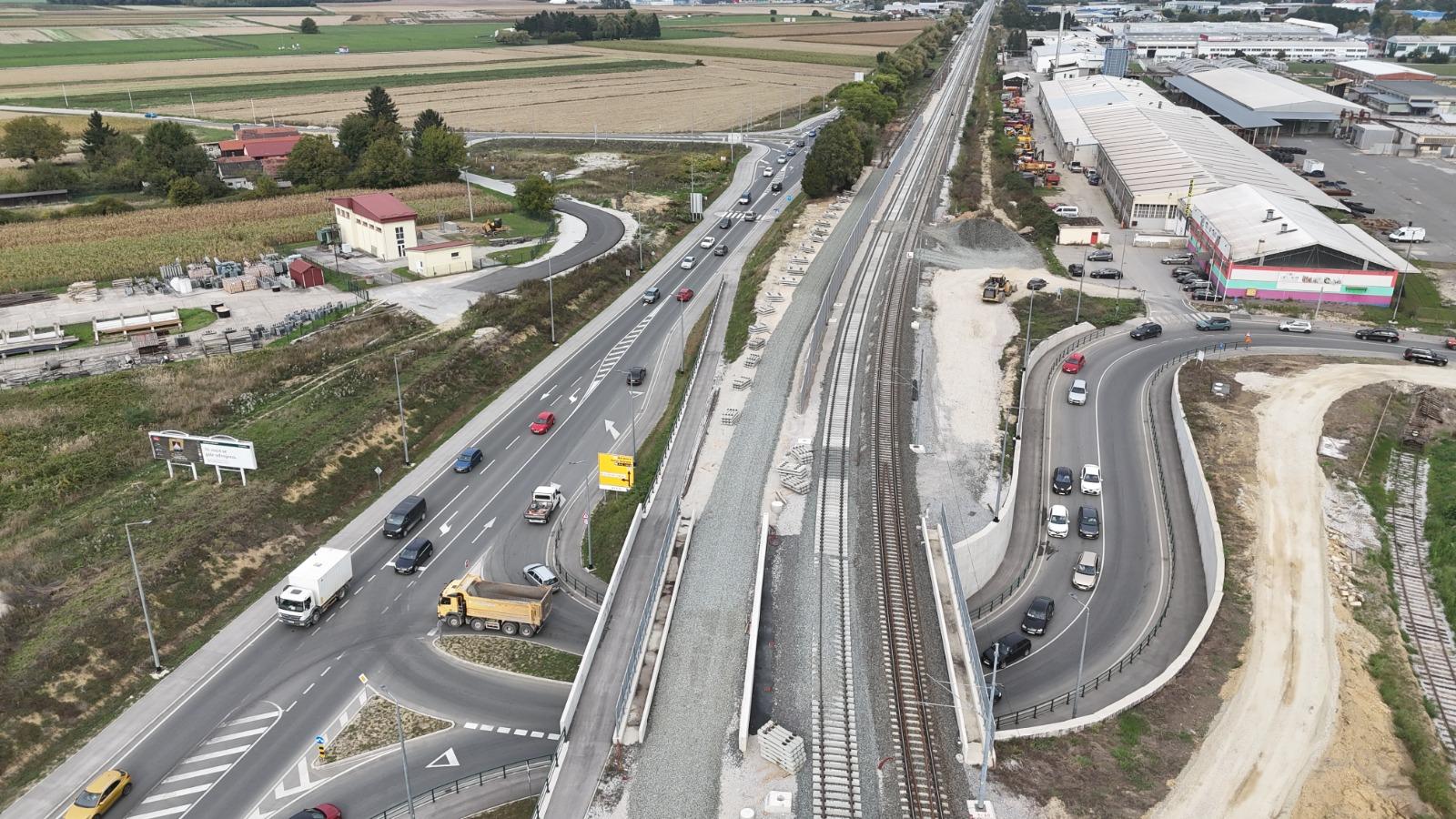
The project, now under way, involves modernising the existing track and constructing a second line running from Križevci through Koprivnica to the Hungarian border. The works are being delivered by HŽ Infrastruktura, Croatia’s state rail infrastructure company.
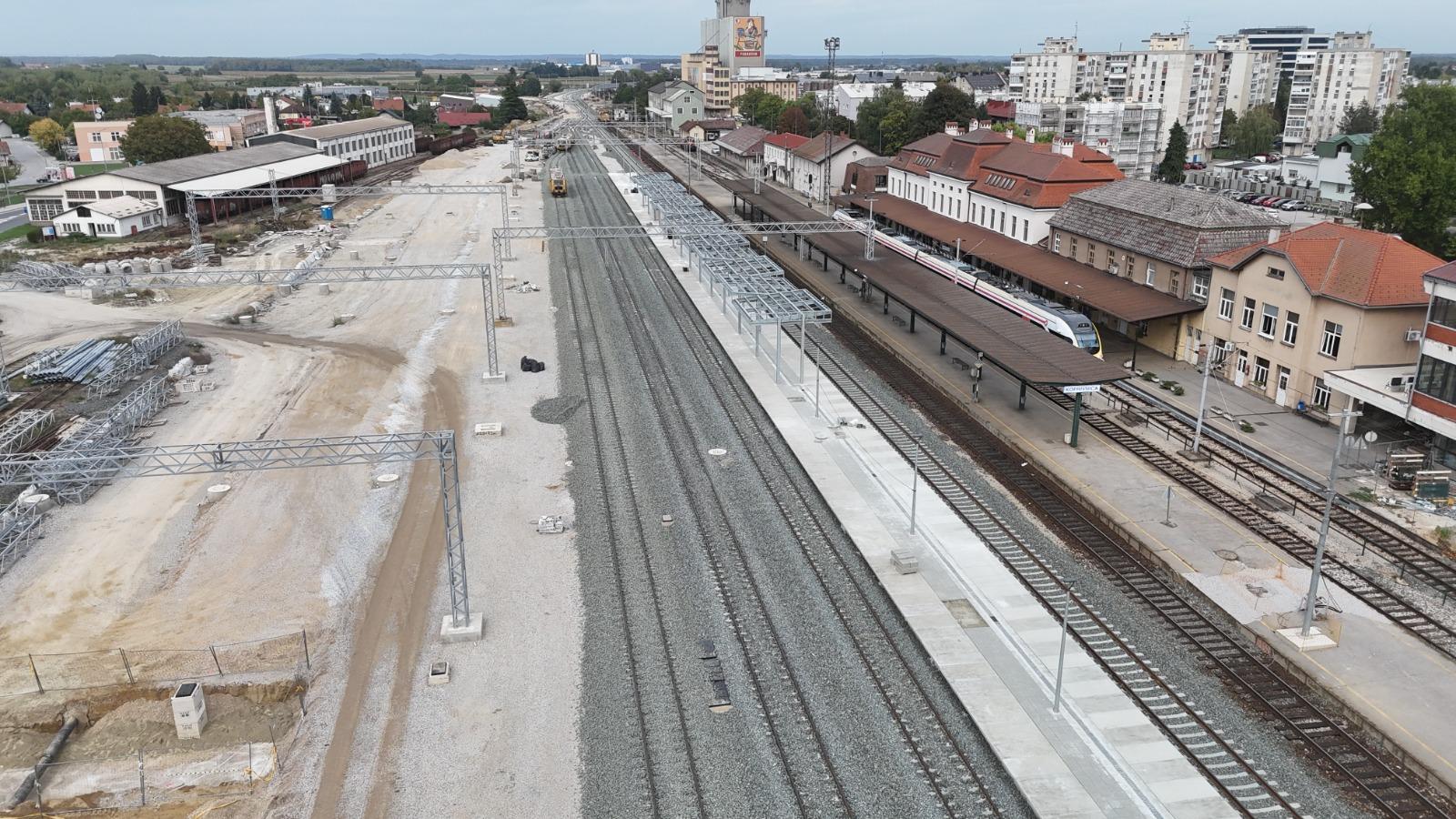
Once finished, the line will be capable of handling trains travelling at up to 160 km/h, although speeds will be limited to 150 km/h near Lepavina and to 100 km/h on the approach to Koprivnica due to local urban constraints. The double-tracked alignment will broadly follow the current route, with the exception of a realignment between Carevdar and Lepavina. The modernisation programme also includes new platforms, overpasses and underpasses, along with parking for both cars and bicycles, significantly improving accessibility for passengers with reduced mobility. Overall route length from Križevci to the Hungarian border via Koprivnica will be reduced from 43.2 km to 42.6 km.
The investment also provides for upgrades to two stations and four stops, the construction of a new station and the new Peteranec stop, and the conversion of Mučna Reka station into a stop. Seven bridges, three viaducts, eight road overpasses and a new traction power facility will be built, while the signalling and telecommunications systems will be entirely renewed.
In October 2016, HŽ Infrastruktura signed a CEF funding agreement with INEA (now CINEA) worth EUR 283.9 million. Of this, EUR 241.3 million—equivalent to 85 per cent—is provided through the Connecting Europe Facility, with the remainder financed by Croatia’s state budget.
A construction contract worth EUR 320.9 million was awarded in March 2020 to Cengiz Insaat Sanayi ve Ticaret AS. Supervision services are being delivered under a EUR 5.3 million contract by a consortium comprising Centar za organizaciju građenja d.o.o. and DB Engineering & Consulting GmbH.
The Križevci – Koprivnica rail section forms a key part of the international M201 DG – Botovo – Dugo Selo corridor (RH2) and plays an essential role in the wider Rijeka – Zagreb – Budapest route along the Mediterranean TEN-T Corridor.
The proposed EIB contribution comes under the “Railway Development Framework Loan Croatia”, approved in 2024, which totals EUR 900 million for eligible works worth EUR 2.6 billion. The framework aims to accelerate improvements to Croatia’s rail network, introduce emission-free rolling stock to replace diesel trains, deploy a nationwide rail communications system, and revive currently neglected lines serving poorly connected regions.
As one of the country’s most strategically important rail schemes, the upgrading of the Križevci – Koprivnica rail section is expected to shorten travel times, reduce operating costs and significantly raise reliability for both passenger and freight services. The project will enhance north–south connectivity between key Croatian cities and the wider Central European region, strengthening the railway’s role as a sustainable alternative to road transport.
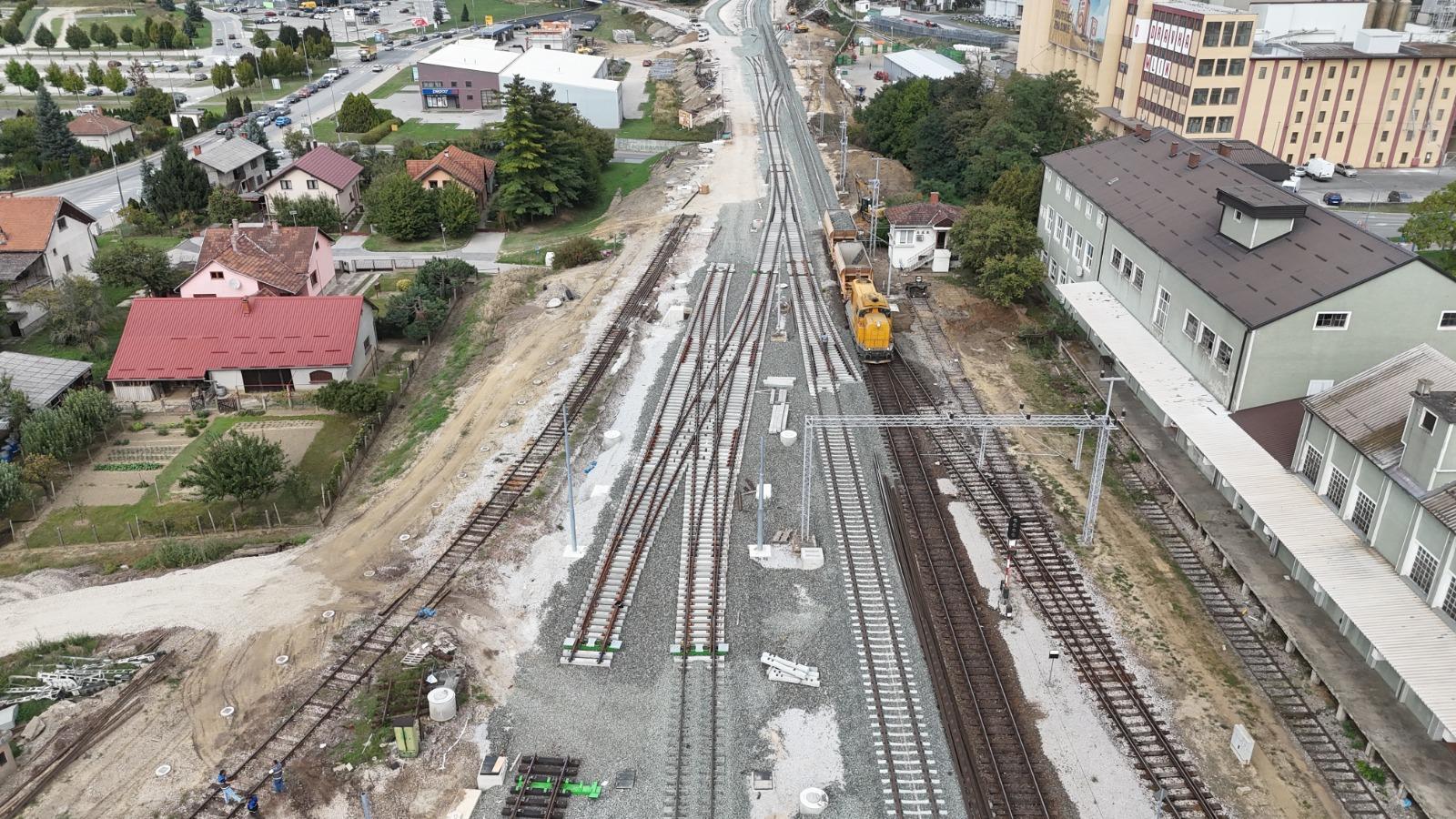
In addition to supporting economic integration, the investment aligns with Croatia’s long-term climate goals. By facilitating smoother, faster and more frequent rail services, the project is anticipated to shift a larger share of regional travel onto lower-emission transport. Improved access to border crossings with Hungary will also help streamline international freight flows, positioning the corridor as a more competitive route for cargo moving between the Adriatic and Central Europe.
Beyond the immediate benefits for rail operations, the upgrade of the Križevci – Koprivnica rail section is also expected to stimulate wider economic activity in the region. Improved travel times, enhanced cross-border connectivity and more reliable freight capacity are anticipated to strengthen local industries and attract further private investment. According to project partners, the scheme will not only modernise a crucial international corridor but also help create long-term opportunities for communities along the route.
Share on: 


