
Published on
November 17, 2025

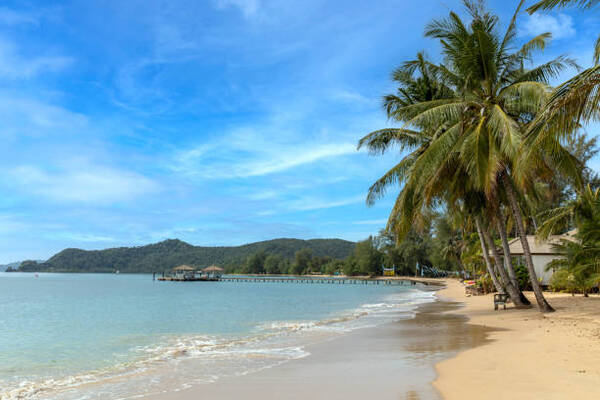
Koh Mak, a small island in Thailand, has successfully preserved its natural charm and cultural heritage by implementing strict community rules and maintaining family-controlled land ownership. This approach prevents large-scale development and mass tourism, allowing the island to remain a peaceful retreat for nature-loving visitors. The island’s commitment to sustainability and local governance ensures that it attracts tourists who respect its environment and tranquil lifestyle, positioning Koh Mak as a model for responsible tourism in Thailand and beyond.
Koh Mak, a tranquil island nestled in Trat province, Thailand, has effectively managed to preserve its unique charm and natural environment through a combination of traditional land ownership and strict community governance. This strategy has kept large-scale investors and disruptive tourism at bay, ensuring that the island remains a peaceful haven for both locals and respectful visitors.
Unlike many other tourist destinations, Koh Mak has managed to avoid the impacts of mass tourism. The island’s development has been tightly controlled by the heirs of five original families, who have historically owned almost all of the land. These families follow a steadfast policy of not selling to outsiders, effectively blocking the entry of major investors. This has prevented the type of sprawling, impersonal development seen on many other islands, helping Koh Mak maintain its distinct local character.
The roots of Koh Mak’s land ownership can be traced back to the time when Thailand and Cambodia exchanged territories with France. The five founding families are descendants of settlers from Koh Kong (now part of Cambodia) who arrived during this period. Some of these ancestors even held leadership roles, acting as chieftains and managing tribute collections for Bangkok. This deep connection to the island’s history plays a significant role in the island’s conservation efforts today, ensuring that Koh Mak’s land is held in trust for future generations.
In addition to this unique land-ownership structure, Koh Mak enforces a strict set of community regulations known as the “8-rule charter.” This charter governs the behaviour of both residents and tourists, ensuring that the island remains a peaceful and sustainable place to live and visit. The charter’s rules are prominently displayed at every pier, making it clear to visitors that the island’s community values environmental protection, cultural preservation, and a low-impact lifestyle.
Some of the key rules of the community charter include a prohibition on ferries bringing tourists’ vehicles onto the island, ensuring that the number of rental motorbikes is limited to no more than 70% of the total hotel rooms, and banning the use of foam products and pollution-creating food containers. Koh Mak also enforces strict regulations on waste disposal, including no littering in public spaces or waterways. There are also regulations in place to prevent the use of high-residue chemicals, and noise pollution is kept to a minimum by prohibiting loud sounds between 22:00 and 07:00. Additionally, there are no motorized sports allowed on the land or sea, preventing any disruptive activities that might disturb the community’s peaceful atmosphere. The sale or use of illegal drugs is also strictly prohibited.
These strict rules serve to filter out tourists who might not be aligned with the island’s ethos, naturally attracting visitors who respect nature and the simple, laid-back lifestyle of Koh Mak. By keeping the number of tourists manageable and focused on those who appreciate the island’s environment and tranquility, Koh Mak has managed to preserve its identity and avoid the pitfalls of over-tourism.
Koh Mak’s approach is not an anomaly; it is part of a growing global trend where destinations are seeking to protect their culture, environment, and way of life from the negative impacts of unchecked tourism. The island has even been recognized as one of the Top 100 Green Destinations in the world for its commitment to sustainable tourism practices. This accolade reflects the island’s ongoing efforts to balance tourism with environmental stewardship.
The community’s strong sense of ownership, coupled with a shared commitment to preserving Koh Mak’s unique environment, makes it an example of how responsible tourism can be achieved. Local residents are heavily involved in the management of the island’s development, ensuring that any growth is sustainable and aligned with the community’s values.
By taking control of its own development, Koh Mak has been able to avoid the overcrowding and cultural erosion often seen on more heavily commercialized islands. The island’s strict land ownership policies and community-driven tourism management have protected it from the negative impacts of mass tourism, allowing it to retain its charm and appeal.
As Thailand continues to grapple with the challenges of balancing tourism growth with environmental and cultural preservation, Koh Mak stands as a model of how small communities can effectively manage their own destinies. The island’s success in maintaining its peaceful atmosphere, while still welcoming tourists, demonstrates that sustainable tourism is not only possible but also essential for the long-term health and vitality of tourist destinations.
In an era where large investors and mass tourism threaten the integrity of many of the world’s most cherished destinations, Koh Mak’s approach offers a hopeful example of how places can protect their identity while still sharing their beauty with the world. By embracing a simple yet powerful set of rules and ensuring that tourism is aligned with local values, Koh Mak has managed to carve out a niche for itself as a sustainable, eco-friendly destination that prioritizes the well-being of both its residents and its visitors.
