
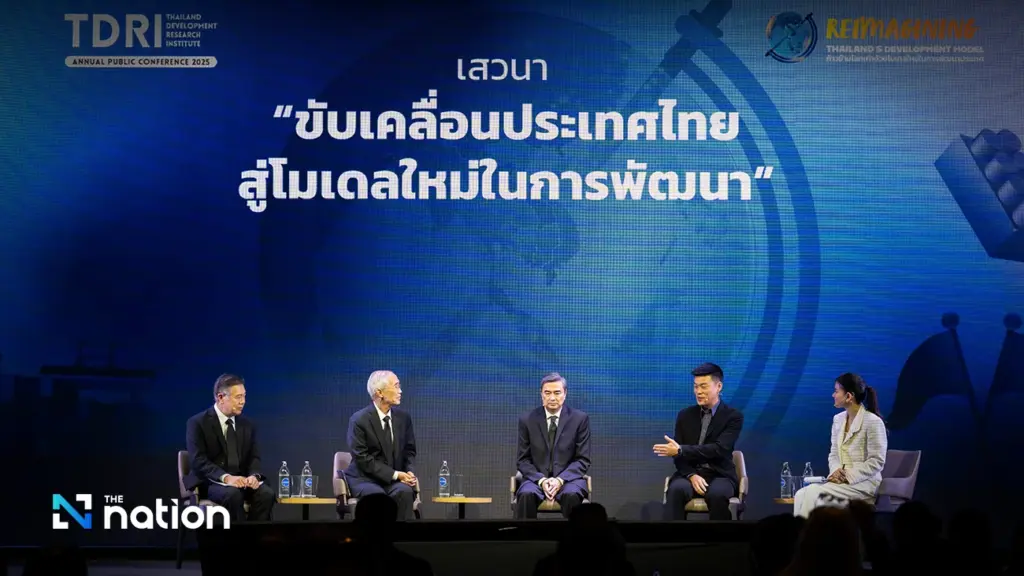
Root Causes of Stagnation
Dr Veerathai identified multiple causes for Thailand’s predicament:
- Society’s lack of awareness about the severity of accumulated problems and changes occurring abroad
- Politics focused on personal and factional interests over national welfare
- Emphasis on short-term “quick win” policies lacking political will to address structural problems seriously
- Large businesses exercising market power whilst fair competition oversight remains ineffective
- Absence of guiding principles for public policy implementation
- Lack of mechanisms promoting genuine transformation and cross-agency coordination
- Inappropriate incentive systems for the new world
- Corruption evolving from facilitation payments to “state capture,” where government mechanisms set policies favouring cronies
- Government agencies staying in comfort zones, avoiding risk, rejecting new ideas, and prioritising process over substantive outcomes benefiting citizens
New Industrial Policy Needed
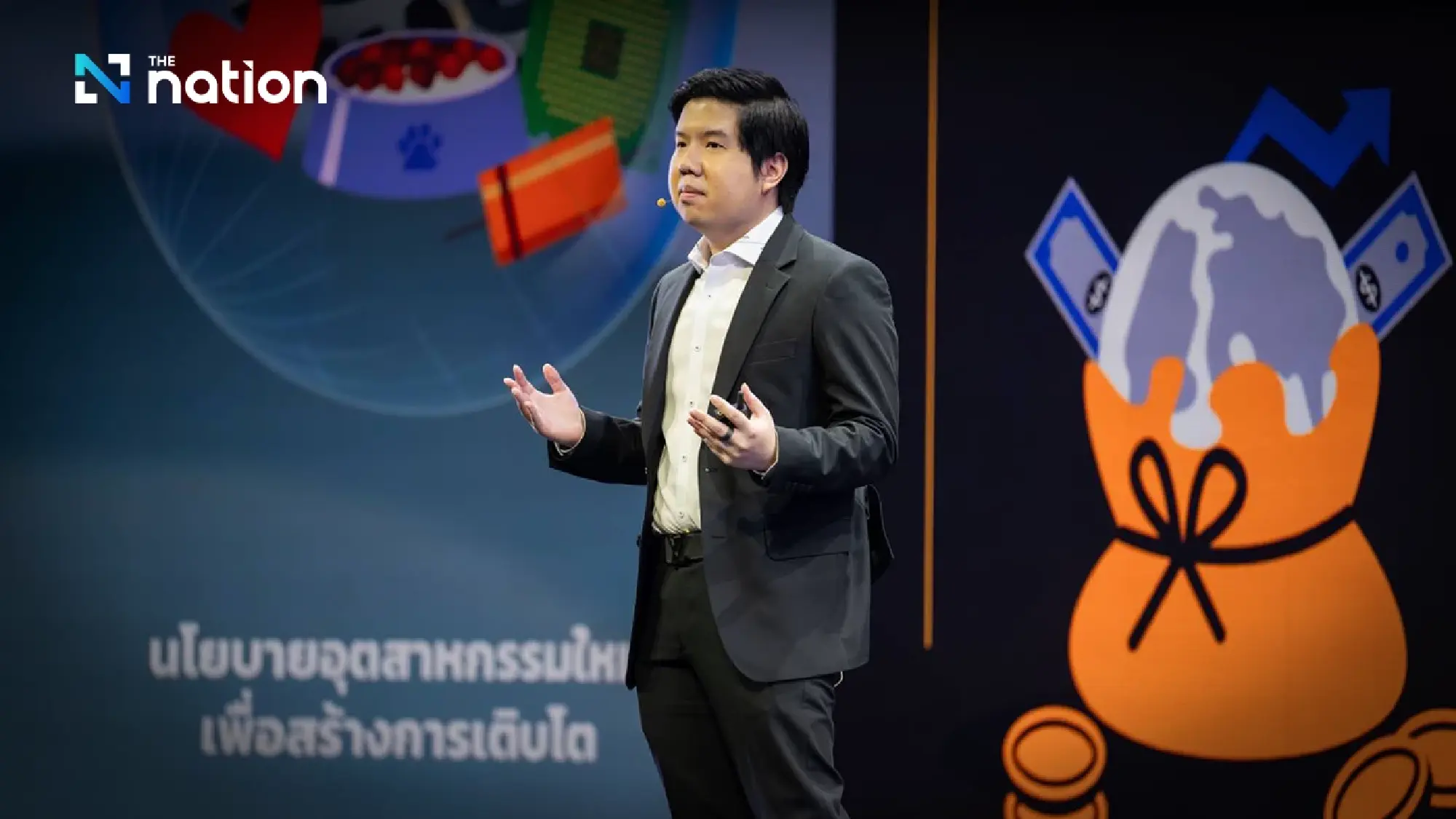
Dr Putthiphan Hirunyatrakul and Dr Nopparuj Chindasombatcharoen, TDRI scholars, argued that whilst Thailand’s industrial policy has attracted substantial foreign investment, it has failed to adequately improve Thai people’s quality of life.
This reflects limitations of the old model emphasising tax incentives to attract capital rather than investing in people development.
Consequently, investment benefits haven’t reached ordinary Thais as they should, whilst tax measures have become less effective in the changing global economic context.

The new industrial policy must redesign support measures to create added value for the economy and ensure Thais benefit more from domestic economic activities.
This requires changing goals from quantitative figures to creating value for Thais through quality jobs, using appropriate measures for different industry and business sizes, and implementing systematic policy evaluation and improvement.
Trade and Investment Policy Reform
Newin Sinsiri, TDRI’s geo-economic adviser, highlighted that Thailand’s current import tax structure no longer creates advantages for domestic production as it once did.
Instead, it disadvantages Thai manufacturers on costs—for instance, manufacturers pay higher taxes on raw materials and components than on finished goods.
Thailand also ranks fourth highest in service sector trade restrictions amongst 51 countries assessed by the OECD, affecting competition in sectors like telecommunications whilst enabling nominee arrangements lacking accountability.
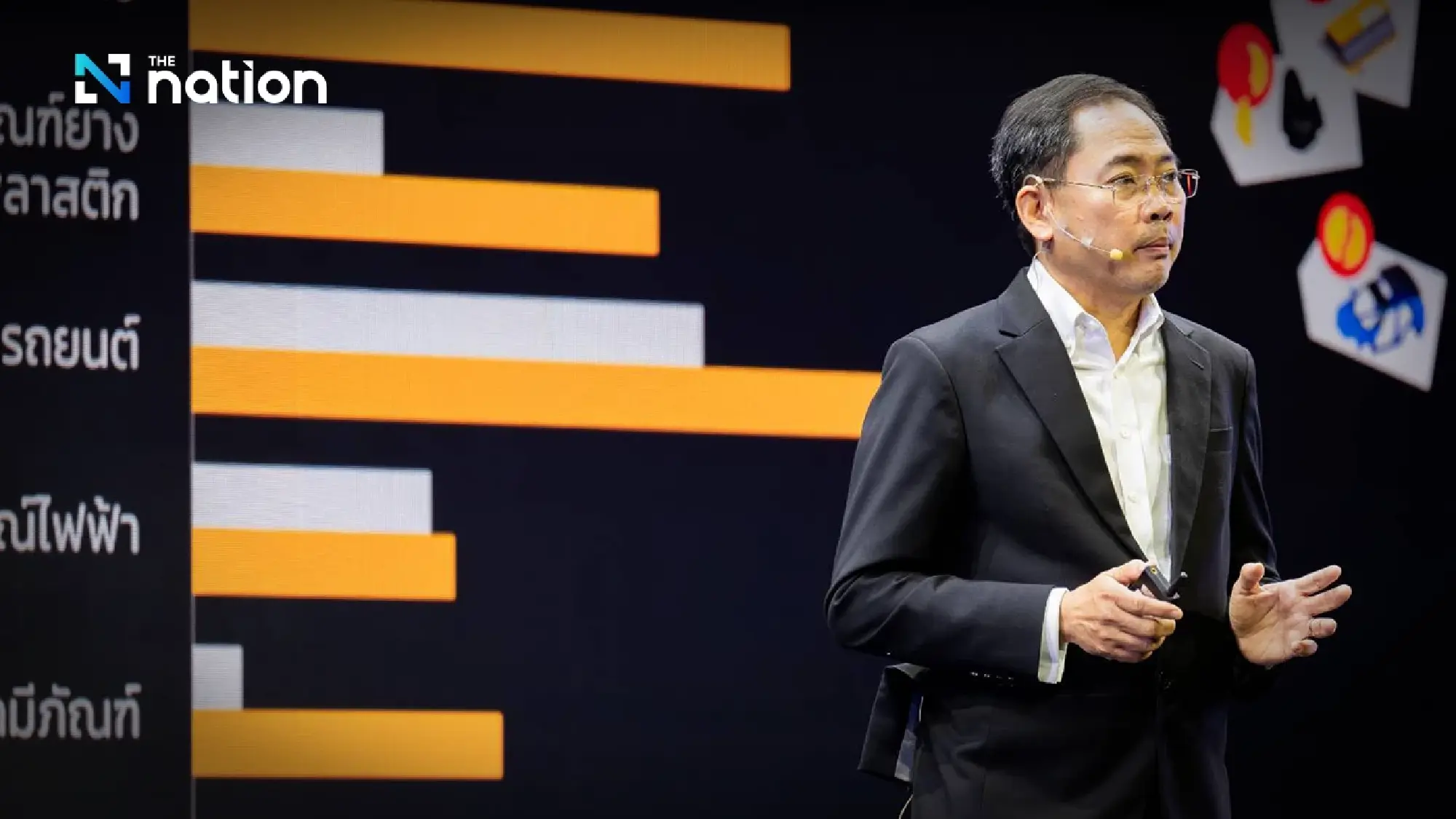
TDRI recommends shifting trade and investment policy towards a new economic model emphasising opportunities for Thai entrepreneurs in global markets, upgrading production standards, and liberalising investment—such as allowing foreigners to hold more than 50% shares in service sectors and permitting foreign professionals in shortage areas to facilitate knowledge transfer.
The government must also restructure taxes and non-tariff measures, equalise import duties between major trading partners and between raw materials and finished goods, eliminate problematic import quotas, strictly address unfair trade practices, and open new export markets through free trade agreements whilst establishing transition support mechanisms.
Political Instability Hampers Progress
Natthaphong Ruengpanyawut, leader of the Palang Pracharath Party, noted that over the past 20 years, Thai prime ministers have averaged just over one year in office, preventing policy continuity and sustainable structural problem-solving.
“The root cause comes from ‘politically unstable and illegitimate politics,'” he said, warning that without political system reform through constitutional amendment, no government can effectively drive long-term national development.
Diplomatic Decline Accompanies Economic Woes
Pisan Manawapat, former Thai ambassador to the United States, said Thai foreign policy has deteriorated alongside the economy over the past 10-15 years.
“Foreign affairs and economic reform must go hand in hand,” he stated. “If the government wants to push national reform, the Ministry of Foreign Affairs must upgrade its role from ‘Grade C’ to ‘Grade A’ and work closely with the prime minister.”
Recent border clashes, declarations of independence before the US followed by trade tariff negotiations, and pressure from US private sector regarding withdrawal from joint declarations reflect the new US approach of not separating economics from security.
“Thailand doesn’t need to be America’s ally but must stand on its own interests,” Pisan said, adding similar considerations apply to relations with China regarding intellectual property issues and grey industries.
ASEAN Cooperation Essential
Abhisit Vejjajiva, Democrat Party leader, argued that ASEAN countries face common problems requiring regional solutions, particularly as Thailand prepares to assume the ASEAN chairmanship in 2-3 years.
Regional policies should address monopolistic bargaining power of multinational technology companies and tax competition between countries.
Priority areas include clean energy cooperation and developing the “ASEAN Grid” electricity network for regional energy security.
For the digital economy, Thailand should set conditions for foreign technology businesses—including data centre providers and e-commerce platforms—to ensure genuine benefits for Thai society.
Path Forward Requires Radical Change
Dr Supavud Saicheua, chairman of the NESDC, emphasised the urgent need to “reduce state power,” particularly regarding “discretion,” which underlies many problems—though this represents a difficult task as nobody wants to reduce their own authority.
He advocated using the best resources to support the private sector, including opening transport system development to private participation, accelerating clean energy investment, and considering establishing a “National Wealth Fund” similar to Singapore’s GIC to generate long-term income.
With Thailand’s workforce set to decline by 5 million people whilst the elderly population increases by 7 million, the country must urgently upskill and reskill workers whilst determining target industries, particularly clean energy.
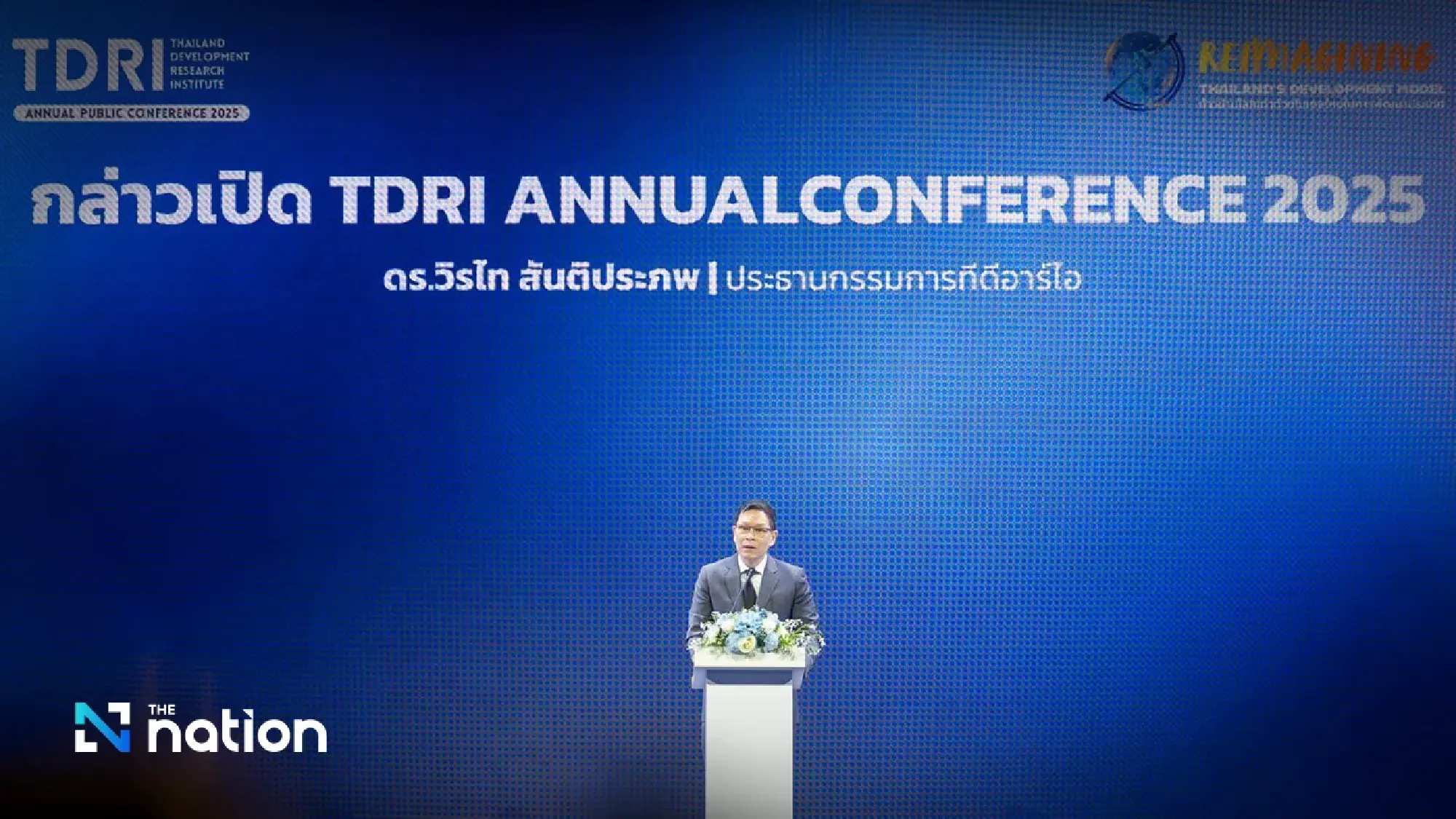
Dr Veerathai concluded that escaping stagnation requires designing a new development model—not merely building upon familiar old models—incorporating new industrial policy, trade and investment policy, innovation policy, skills development producing real results, and a new government role that propels rather than restrains economic progress.
“If we together ‘think big, look far, use new lenses, and make it real,’ we can pull Thailand’s economy out of stagnation and reduce the risk of falling into the abyss in the future,” he said.