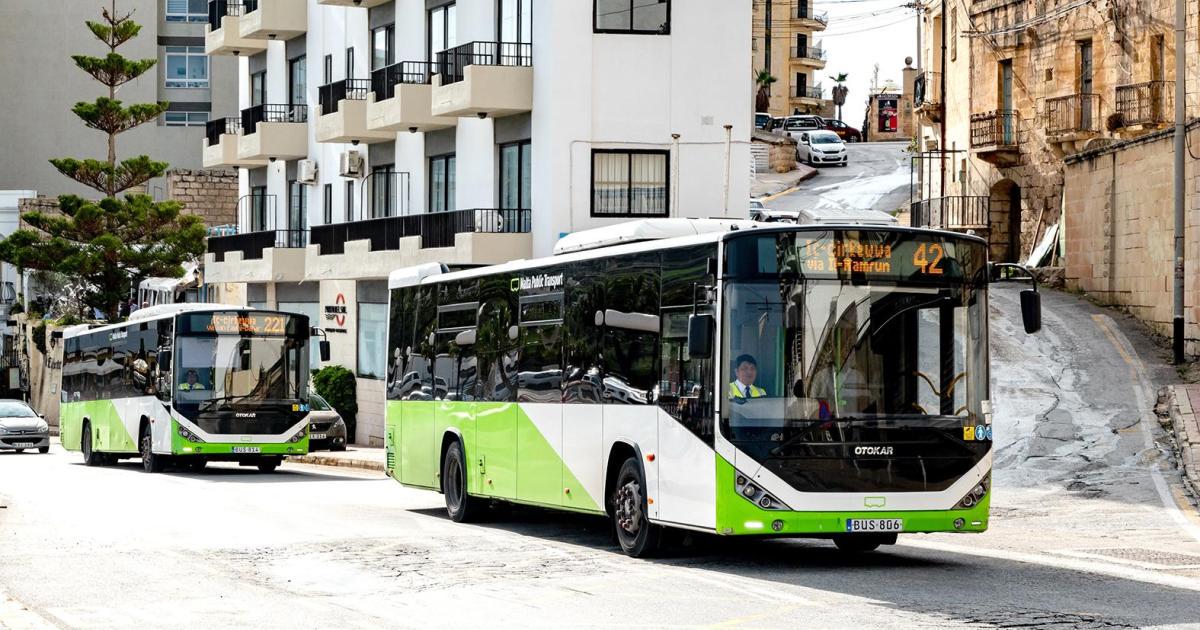
Bus journeys in Malta three times longer than car trips, report says
https://timesofmalta.com/article/bus-journeys-malta-three-times-longer-car-trips-report-says.1119847
Posted by Amazing-Yak-5415

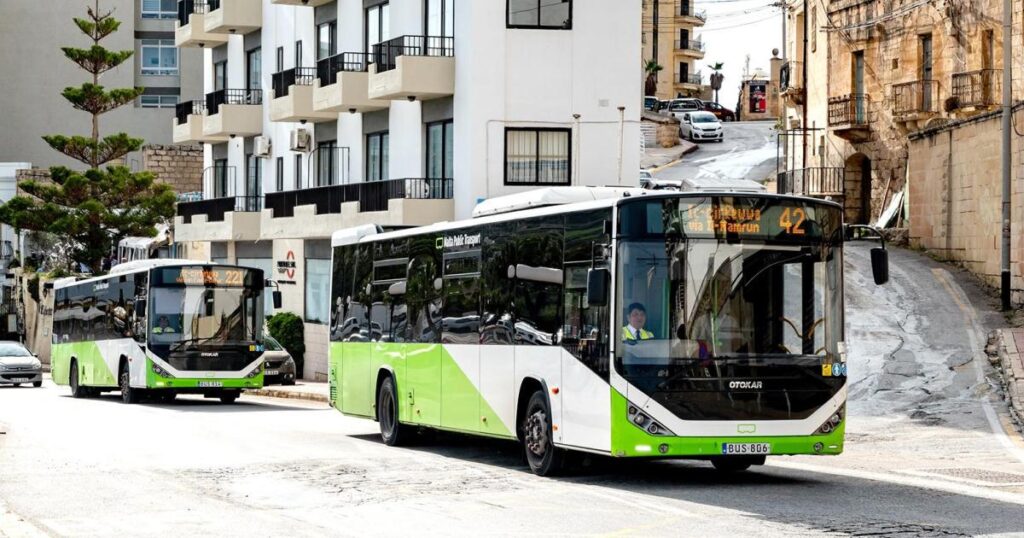
Bus journeys in Malta three times longer than car trips, report says
https://timesofmalta.com/article/bus-journeys-malta-three-times-longer-car-trips-report-says.1119847
Posted by Amazing-Yak-5415
14 Comments
not shocked
When there are no dedicated lanes, this is to be expected. And there are no dedicated lanes as the govt would immediately lose votes if they had to do that. None of our leaders have the backbone to take the decisions that really need to be taken, but would rather pander to the needs of the ignorant so that it can keep getting away with things.
What baffles me the most is they want more people on buses instead of cars (understandable), yet there are plenty of routes unable to cope with the current demand, especially industrial areas during peak hours. Tell me, the 2 buses that pass through the area are full and are basically packed like sardines, how are you expecting more people to use these buses?
Yes I am venting, how could you tell?
Note that the average car trip takes 15mins. That means that half of all car journeys shouldn’t even exist. They’re shorter than 5km for goodness’ sake. That’s the cause of the problem.
The monorail idea sounds better and better by time.
Still shocked that bikes aren’t more popular
Kind of logical considering the bus has a lot of stops.
Meta jiddeċiedu li il voti mhuxiex l-Alla taghhom u jużaw kull lane doppju biex jigi wiehed lane Tal xarabank u ieħor lane tal karozza, hemm inġibdu is+servizz Tax xarabank aħjar. Qabel dik tista’ tinsa li ser issir.
You know why?
Cars
And people abandoning a car in the middle of the street to ‘just get something’ (usually a f’in Pastizz).
Dedicated bike lanes and relaxed eBike rules would change things quickly. I own a throttled eBike (calm down, it’s not in Malta) and it was amazing. Small enough to carry into the office. Handled hills like a champ. Felt cool when riding on a hot day. And shreds traffic.
Apart from the half hour waiting for bus
All these fanciful big ideas might be fine a decade from now, but what would meaningfully improve the transport system *today* would be simply adding more buses to keep up with the demand, and optimising the routes. You see some buses being full with people packed like sardines, then other buses running around empty – which means suboptimal resource allocation. You also encounter buses trying to pass through narrow, winding roads where just a single badly-parked car will completely block the bus and ruin the timetable for that day, or where the bus has to wait for the opposite lane to clear to actually be able to navigate a tight turn.
Routes should be selected keeping in mind the realistic sizes of the roads and the buses. If need be, a greater number of smaller buses, each doing more targeted routes, would improve the speed of the system (both by having fewer stops and more direct routing, and because smaller buses don’t get stuck like bigger ones).
Or forget fixed routes altogether. People just input their destination using an app, and the algorithm tells them which bus to catch and where, and makes the buses dynamically change their routes to be optimal for everyone.
“We don’t want to punish car users” so lets punish everyone else instead!
Does not surprise me
Oh no… anyway