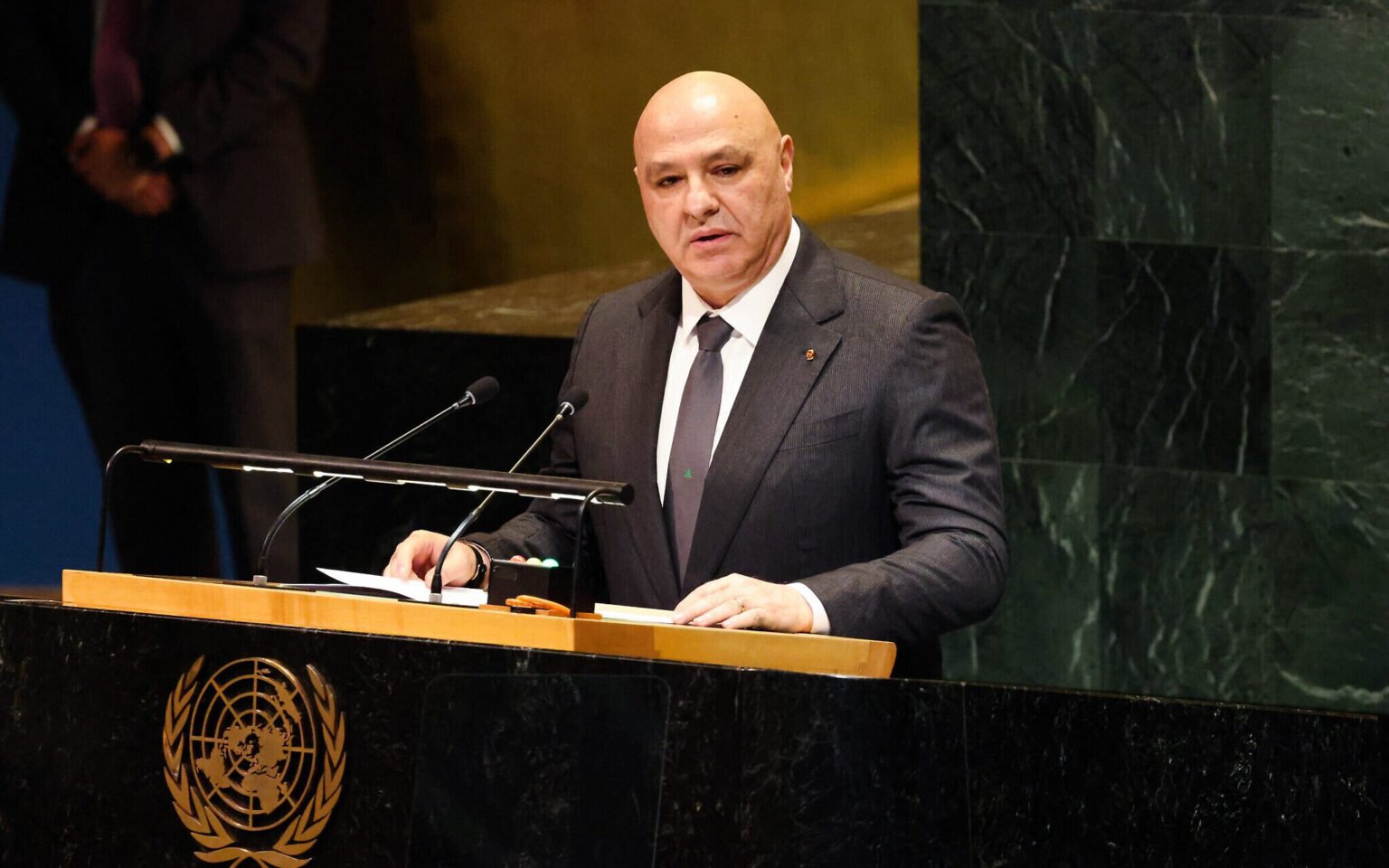
Lebanese President Joseph Aoun said on Friday that a state monopoly on weapons was inevitable, and urged a committee supervising the ceasefire between Israel and Hezbollah to ensure Lebanon’s army was the only armed presence in the country’s south.
Under heavy US pressure and fearing expanded Israeli strikes, Lebanon has committed to disarming the Iran-backed terror group, which emerged badly weakened from more than a year of hostilities with Israel that largely ended with a ceasefire last November.
Despite the truce, Israel has kept up frequent strikes on Lebanon, saying it is mostly targeting Hezbollah due to its violations of the truce and attempts to rearm and rebuild.
An Israeli airstrike earlier this week also targeted a Hamas training facility in the Ain al-Hilweh Palestinian refugee camp near Sidon, killing 13 members of the group, the IDF confirmed Friday.
The military said the strike, carried out with precision munitions and aerial surveillance, was intended to minimize civilian harm.
The IDF criticized Lebanon, saying the state had pledged to disarm armed factions in the camps, but that Hamas continued to exploit civilian areas for military purposes. It added that the facility “is clear proof of the organization’s attempts to establish itself in Lebanon.”

Footage showing an IDF strike on a Hamas facility in Lebanon on November 18, 2025. (Israel Defense Forces)
Under a government-approved plan, Lebanon’s army is to dismantle Hezbollah military infrastructure south of the Litani River — some 30 kilometers (20 miles) from the border — by the end of the year, before tackling the rest of the country.
Ensuring state control over weapons and decisions of war and peace is “important and inevitable,” Aoun said in a speech on the eve of the country’s independence day.
He said Lebanon was ready to entrust the truce supervisory committee, comprising the United States, France, Lebanon, Israel and United Nations peacekeepers, with “making sure that in the south Litani region, only the Lebanese army is exerting its sovereignty by its own means.”
He also said Lebanon was ready to negotiate under US or international sponsorship “any agreement which will put a permanent end to the transborder aggressions.”
Aoun made the speech from southern Lebanon, where Israel still maintains troops in five locations that it deems strategic.
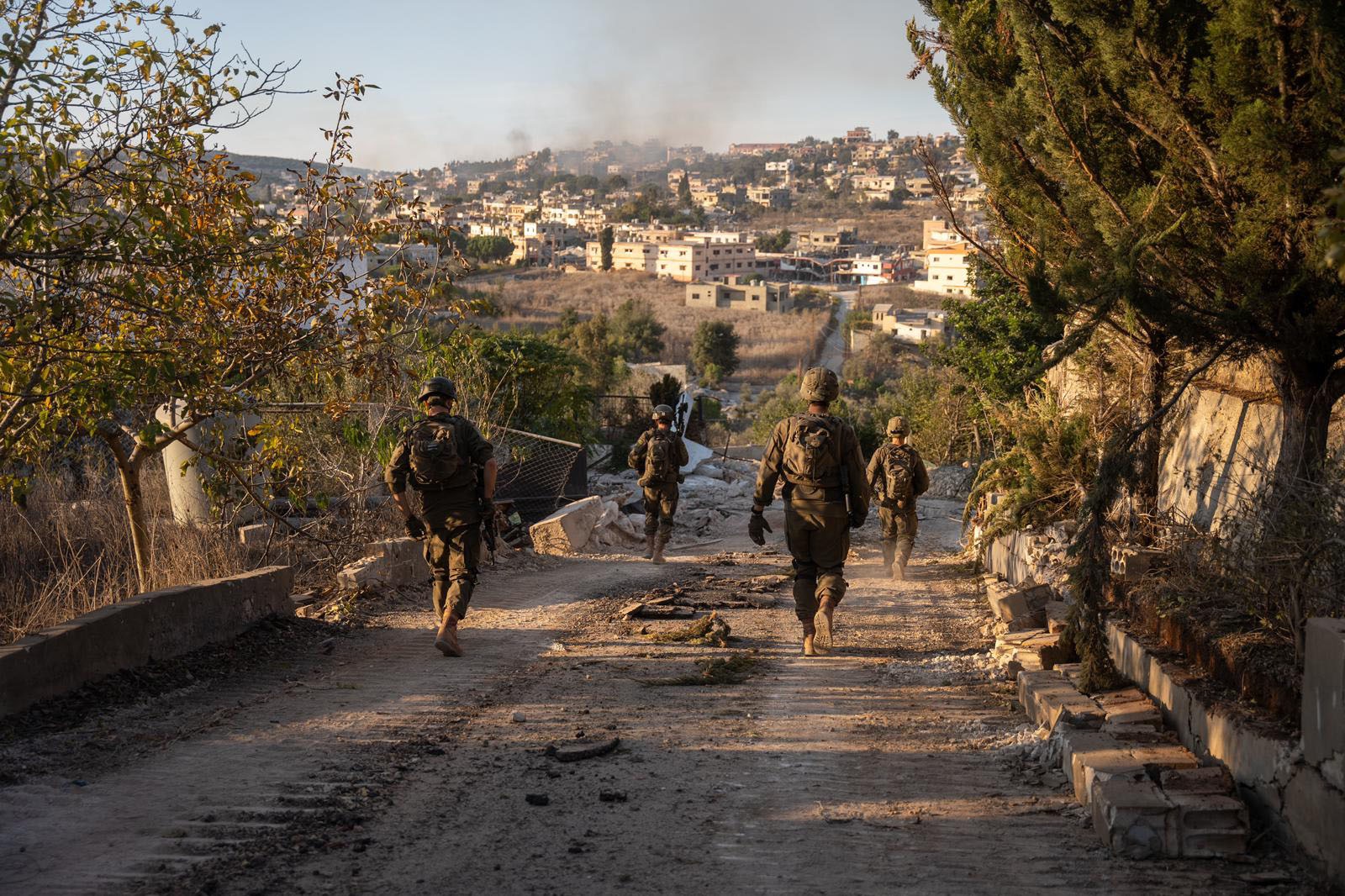
IDF troops operate in southern Lebanon between September and November 2024, in an image released by the IDF on September 21, 2025. (Israel Defense Forces)
He urged “Lebanon’s friends and brotherly countries to provide oversight throughout this process by establishing clear and guaranteed timelines, implementing an international mechanism of support to the Lebanese army, as well as assisting in the reconstruction efforts.”
Doing so will help ensure “that all weapons are in the hands of the state, on the entirety of the Lebanese soil,” he added.
As Israeli strikes continue, Lebanon’s official National News Agency said one person was killed on Friday in a bombing.
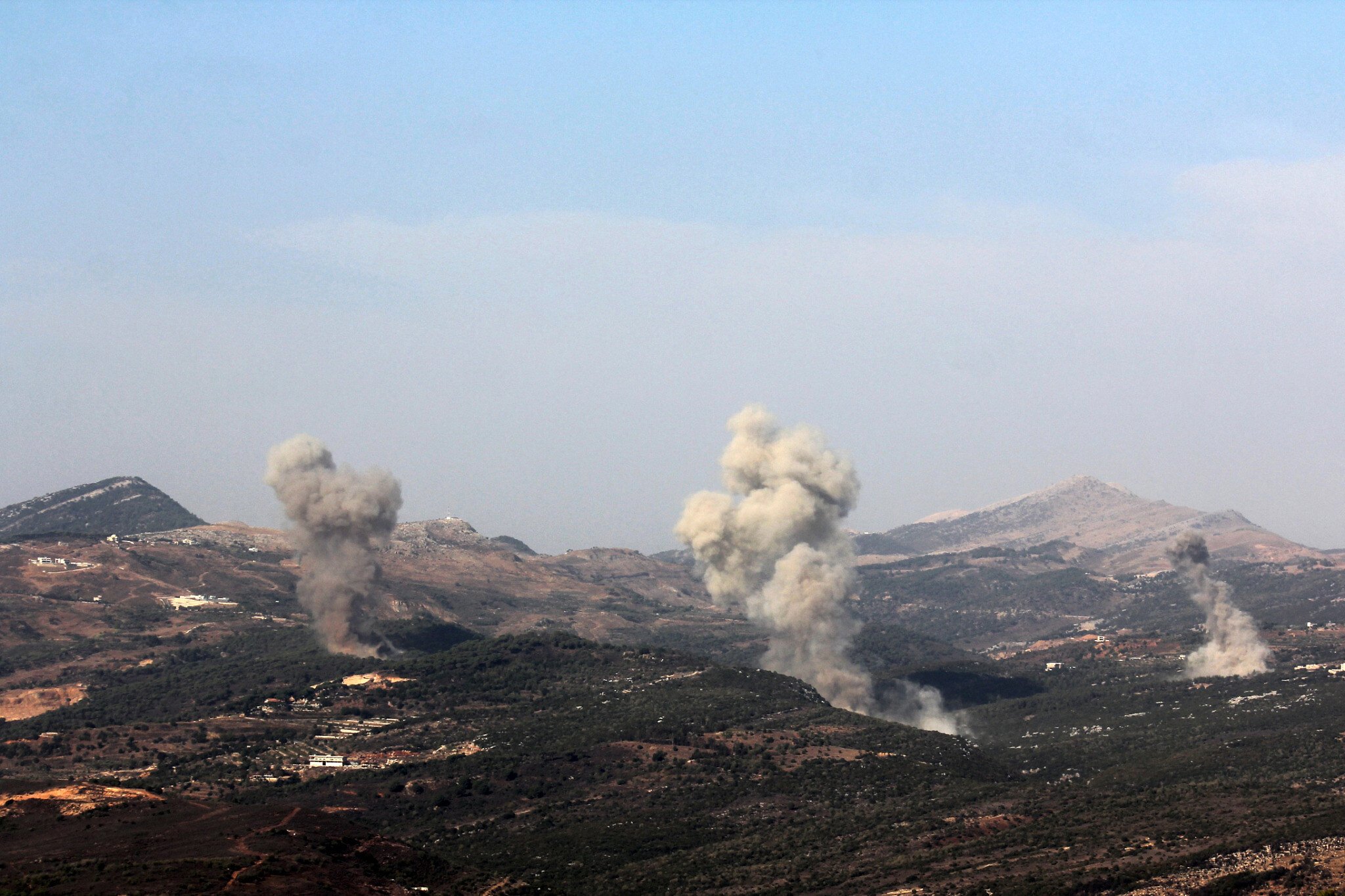
Plumes of smoke billow following an Israeli strike in the outskirts of the southern Lebanese village of Qatrani near Jezzine on November 10, 2025 (Rabih Daher/AFP)
According to the health ministry, more than 330 people have been killed in Lebanon and 945 wounded since the ceasefire.
UN Special Rapporteur on extrajudicial, summary or arbitrary executions, Morris Tidball-Binz, pointed to “a broader pattern of unlawful killings and violations of the ceasefire agreement by Israel.”
Tidball-Binz is an independent expert mandated by the UN Human Rights Council who does not speak on behalf of the United Nations.
ToI staff contributed to this report.