
This article is part of a larger project by The Michigan Daily News section’s Government beat. Reporters interviewed students and professionals from various industries to report on different aspects of Michigan’s Fiscal Year 2026 budget. Read the other stories here.
On Oct. 7, Gov. Gretchen Whitmer signed the Michigan state budget for the 2026 fiscal year into law. The budget includes numerous policy changes, several of which affect the Ann Arbor community. Among its many health care provisions, the budget allocates $2.7 billion in federal funding for health care across the state. The allocation aims to protect core Medicaid services in Michigan following President Donald Trump’s administration’s projected $911 billion cut to Medicaid in the federal budget.
In a press release, Whitmer said the budget amount is to ensure Michigan hospitals have the resources they need to stay open and continue serving patients amid significant cuts to health care.
“As we face huge federal cuts that threaten to destabilize health care, we’re being strategic and proactive in Michigan to protect funding and stay flexible for the future,” Whitmer said. “Together, we will defend access to care for families and maintain a balanced, fiscally responsible budget.”
In an interview with The Daily, LSA senior Zoe Limberopoulos, president of Students Allied for Healthcare Accessibility, said the funding is important because Medicaid benefits more than just Medicaid recipients.
“Stabilizing Medicaid doesn’t only directly benefit people who are normally recipients of Medicaid,” Limberopoulos said. “It’s also going to improve efficiency in emergency rooms, it is going to prevent delayed treatment and take steps to un-overwhelm a lot of health care workers. This budget is really improving health care, not just for those groups of people, but really for everyone, ultimately, and for staff who work in health care as well.”
In an interview with The Michigan Daily, Scott Greer, University health management and policy professor, said Medicaid relies mainly on federal funding. According to Greer, it is the state’s job to respond to the One Big Beautiful Bill Act and maintain the health care programs amid funding cuts.
“Medicaid is an enormous fiscal driver, and everything about it tends to be driven by the federal government,” Greer said. “In domestic spending, what you basically see (from the One Big Beautiful Bill Act) is a huge transfer of money from Medicaid to Homeland Security. Michigan’s budget is therefore responsive to significant federal cuts. So Michigan’s job … is to figure out how much of the existing Medicaid program they want to maintain, and if they have to cut, what they have to cut and equally how they find revenue.”
According to the Michigan Department of Health and Human Services, one in four Michigan residents rely on Medicaid. In an interview with The Daily, Marianne Udow-Phillips, senior advisor to the U-M Center for Health and Research Transformation and former director of the Michigan Department of Health and Human Services, said Whitmer and state legislators prioritized protecting Medicaid in the budget.
“(The current governor and legislature) tried to restructure the budget, and the governor has gone to see President Trump himself to ask for a delay in the impact of these Medicaid changes on Michigan,” Udow-Phillips said. “More than (one-fifth) of our state’s population — more than 20% — receive care and coverage under Medicaid. It is an incredibly important program for so many and we have research that’s come out of the University of Michigan to show that heavy Medicaid coverage does improve people’s health, does improve their financial stability.”
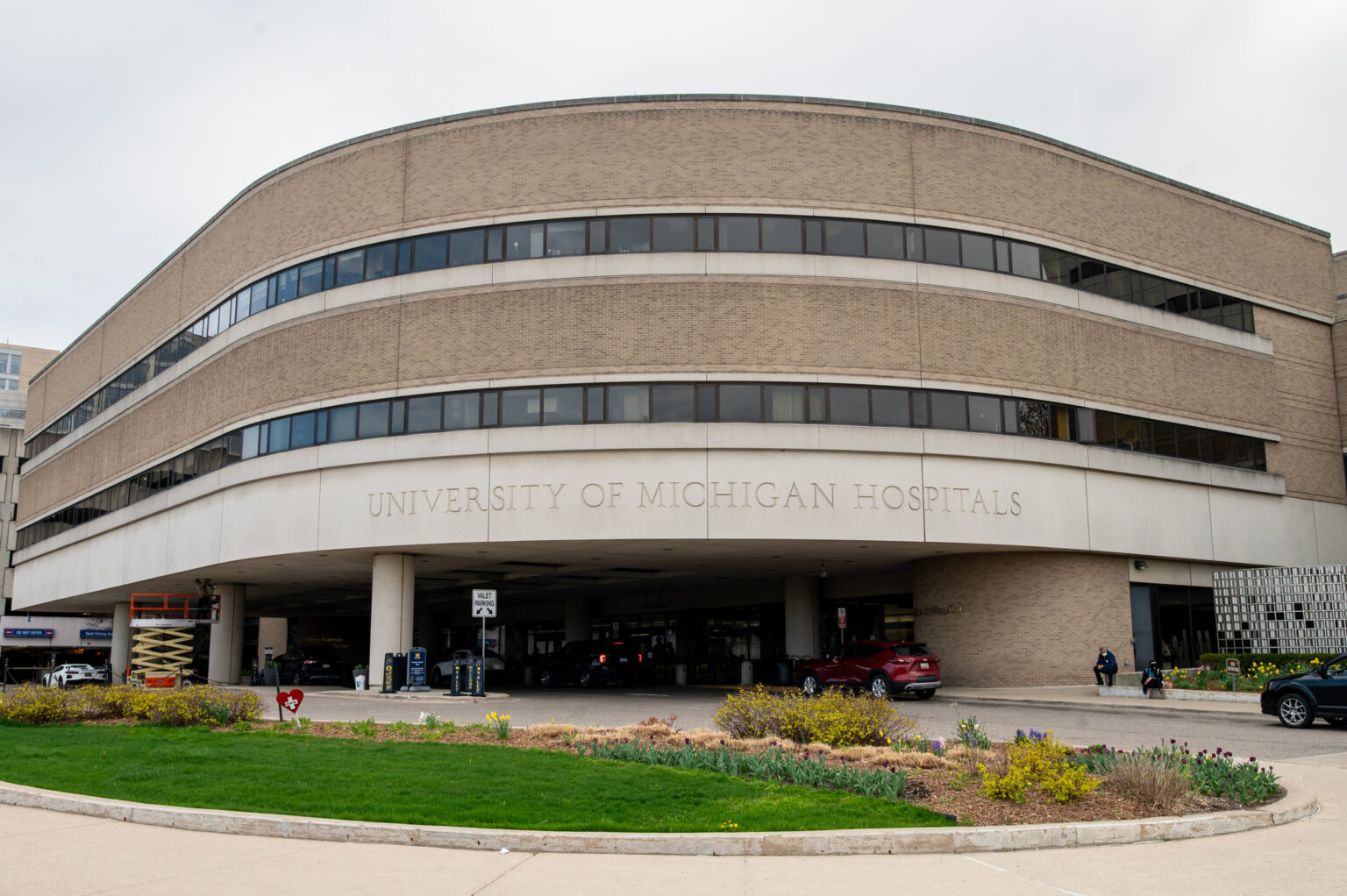
Udow-Phillips said despite these efforts, Michigan will continue to face significant challenges in maintaining health care accessibility, especially at the University’s hospitals.
“Medical debt is likely to go up in Michigan and people’s credit reports are going to be affected,” Udow-Phillips said. “Our hospital and the University will be affected, because we’ll have more patients who want care, who can’t pay for that care. Our federally qualified health centers … are very reliant on Medicaid funding and they are an important safety net provider.”
Greer said these Medicaid cuts will hit rural communities especially hard and could cause challenges with the maintenance of medical infrastructure, such as the hospital that had to shut its doors last year in Tecumseh.
“In addition to things going on in Medicaid, there’s also a lot of other pressures hitting rural health systems from the federal level that the state is not institutionally set up to really address,” Greer said. “One of the things about rural areas is that when infrastructure — like the hospital — goes, it doesn’t come back. And if it comes back, it’s unrecognizable. A little bit southwest of Ann Arbor, you find Tecumseh, and they have a closed hospital. I can guarantee to you that the hospital’s gone for good.”
In an interview with The Daily, John Ayanian, Institute for Healthcare Policy and Innovation director, said while the current Michigan budget is helping maintain access and hospital stability in rural areas, the upcoming federal work requirements, which require adult enrollees to prove they work, volunteer or engage in educational activities for at least 80 hours per month, represent a significant risk that could reverse these gains.
“I think (the budget is) taking an important step to preserve the improved access that the state has already achieved over the past decade that would otherwise be under threat of being eroded with the federal cutbacks to Medicaid funding,” Ayanian said. “We are facing another challenge a little over a year from now, in January 2027, when Medicaid work requirements begin to take effect. Next year’s budget, I think, will play an important role as the state prepares to address the administrative challenge of helping Medicaid enrollees to document that they’re working or in school.”
Daily Staff Reporter Gia Verma can be reached at giaverma@umich.edu.
Related articles