
For years, Europe has treated gender inequality and gender-based violence as moral failings outside the EU’s core agenda. But that approach is becoming increasingly difficult to maintain as European society demands change.
Parliament only just approved proxy voting for female MEPs around childbirth – a decision that came after women’s representation in the body slipped to 38.5% of newly elected MEPs, from 39.8%.
Many economists argue that gender equality is no longer just a matter of values. Inequality is costing Europe hundreds of billions through a combination of lost productivity, tax revenue, and long-term growth potential because women are not safe, fully represented, or treated as equal economic actors.
Violence at a glance
The 2024 EU gender-based violence survey, a first-of-its-kind study from Eurostat, the European Union Agency for Fundamental Rights (FRA), and European Institute for Gender Equality (EIGE), shows that one in three women has experienced physical violence, threats, or sexual violence since age 15. Around 17% of women surveyed report sexual violence, 32% have endured psychological violence from a partner, and 13.6% report stalking.
Workplaces are no safer. According to the survey, 30.8% of women say they have experienced sexual harassment at work – a figure that climbs to a staggering 41.6% among those aged 18–29.
Nordic countries routinely report the EU’s highest rates of gender-based violence – over 55% in Sweden and Finland – despite policies that promote gender equality. But EIGE Director Carlien Scheele says the so-called Nordic paradox is simple: stronger institutions and higher trust mean more women report violence, not that more experience it.
What Europe really faces, she warns, is data blindness. EU capitals don’t track femicide, cyber-abuse, and partner violence in the same way. Without harmonised data, EIGE argues, the bloc is trying to shape policy without the whole picture.
Gender inequality begins with the wallet
The economic toll starts early and compounds across a lifetime.
Women in the EU earn 12% less per hour than men. But the gender earnings gap – which accounts for employment rates and the prevalence of part-time work – widens this to 36.7%.
These disparities translate into fewer hours worked, lower lifetime earnings, weaker tax contributions, and reduced consumer spending. By retirement age, women’s pensions are 28.3% lower than men’s.
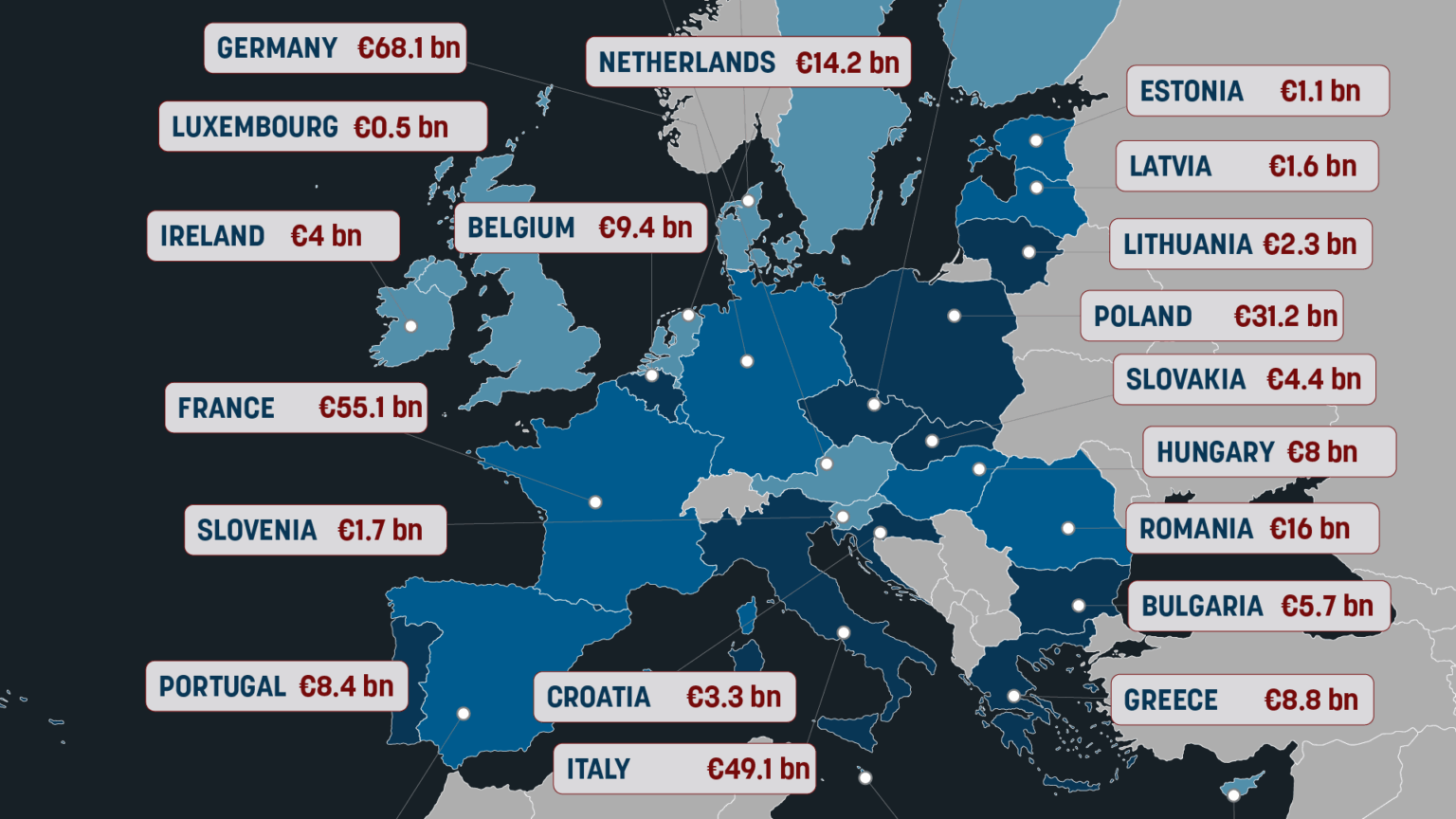
Violence deepens the economic wound. EIGE estimates gender-based violence costs the EU €366 billion a year, with violence against women alone accounting for €289 billion, or 79% of the total.
Most losses stem from reduced productivity: missed workdays, shorter hours, long-term trauma, and women leaving the workforce early.
For many women, the link between violence and poverty is direct. Those with fewer resources are less able to leave abusive partners; those who do often fall into precarious work or long-term economic instability.
Layered on top is Europe’s chronic care deficit. Women perform more than 20 more hours of unpaid care work per week than men and are three times more likely to work part-time (29% vs 8%) – dealing another blow to Europe’s productivity.
EIGE estimates that improving gender equality could increase EU (GDP) per capita by 6.1 to 9.6% by 2050, or by €1.95 to €3.15 trillion, effectively adding an economy larger than Spain to the bloc.
A work in progress
Against all odds, Brussels launched its first-ever directive on violence against women in 2024 – criminalising forced marriage, female genital mutilation (FGM), and certain forms of cyber-violence.
The directive, which includes a sharper focus on consent in line with World Health Organization (WHO) guidelines, doesn’t touch on abortion, prostitution, or rape definitions due to disagreement among member states.
Despite the shortcomings, Scheele called the directive a “masterpiece,” given the political constraints.
Across EU institutions, the conclusion is blunt: violence, economic inequality, and the lack of women in power aren’t separate failures. They form a reinforcing loop. Until Brussels treats gender equality as a serious economic policy issue – rather than with soft political rhetoric – the EU will keep losing billions, and women will keep paying the ultimate price.
(cm, aw)