Good depends on what the goal was. He was quite popular before the war as he was working on improving welfare. The problem was that defence was getting less priority, which made Norway easy to take.
But he was leading the oversees governemnt from London which was seen as quite positive.
Here is a norwegian encyclopedia about him: https://snl.no/Johan_Nygaardsvold
GanacheCharacter2104 on
Not really good nor awful, I would say. Nygaardsvold implemented social democratic reforms that helped many Norwegians, but he neglected the military and Norway’s defense, leaving the country vulnerable to the maneuverings of great powers during WWII. He failed to respond effectively when Britain and Germany began acting aggressively and ultimately panicked when Germany invaded. Any political skill he may have had was completely overshadowed by the German invasion.
Las-Vegar on
That’s a strange thing to wonder about. Well he had social politics that made life better for the average Norwegian.
Then some bad politics from das über land made an end for that progress for a few years, actually not only stopped it but regressed it.
EinherjeHross on
What does on call a national leader who take all of the gold an run?
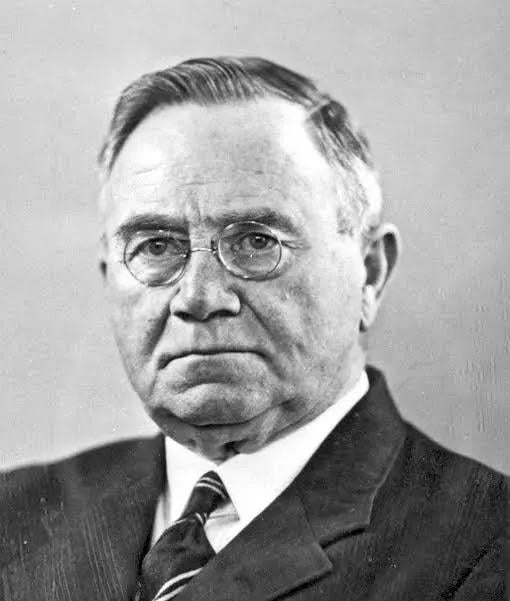
«Johan Nygaardsvold was one of the Labour Party’s strongest and most unifying forces, both as a speaker and an agitator. Alongside Einar Gerhardsen, he has stood as the most towering leader of the Labour Party in the twentieth century. Nygaardsvold was also personally popular within all the other political parties. (…)
The 1945 Investigation Commission
The Gerhardsen government had appointed an investigation commission to assess the actions of the Nygaardsvold government both before and after 9 April. (…)
In the debate on the matter in the Odelsting, Nygaardsvold took the floor and gave a thorough review of all the accusations against the government. He criticised the Investigation Commission for focusing solely on the government’s defence and security policy in the years 1935–1940, and for ignoring the preconditions for this policy: the dismantling of the Armed Forces up to 1935 under the bourgeoisie and their timid attitude to the economic crisis in the country up to that point. The matter was left at that, and the Odelsting finally concluded: ‘The matter does not give rise to any action on the part of the Odelsting.’ At the end of the debate, C. J. Hambro concluded as follows: ‘They did the best they could. Therein lies their excuse and therein lies their judgement.’
In retrospect, historians who have examined what happened in the period before the outbreak of war have concluded that the misjudgements of German military power made in this country were hardly more serious than those made in other countries. Among the general public, however, the Nygaardsvold government, and especially Foreign Minister Halvdan Koht, were held responsible for 9 April in the first years after the war. The bitter mood immediately after the peace eased with the passing of time.»

5 Comments
Good depends on what the goal was. He was quite popular before the war as he was working on improving welfare. The problem was that defence was getting less priority, which made Norway easy to take.
But he was leading the oversees governemnt from London which was seen as quite positive.
Here is a norwegian encyclopedia about him: https://snl.no/Johan_Nygaardsvold
Not really good nor awful, I would say. Nygaardsvold implemented social democratic reforms that helped many Norwegians, but he neglected the military and Norway’s defense, leaving the country vulnerable to the maneuverings of great powers during WWII. He failed to respond effectively when Britain and Germany began acting aggressively and ultimately panicked when Germany invaded. Any political skill he may have had was completely overshadowed by the German invasion.
That’s a strange thing to wonder about. Well he had social politics that made life better for the average Norwegian.
Then some bad politics from das über land made an end for that progress for a few years, actually not only stopped it but regressed it.
What does on call a national leader who take all of the gold an run?
From the encyclopaedia Store Norske Leksikon:
https://snl.no/Johan_Nygaardsvold
«Johan Nygaardsvold was one of the Labour Party’s strongest and most unifying forces, both as a speaker and an agitator. Alongside Einar Gerhardsen, he has stood as the most towering leader of the Labour Party in the twentieth century. Nygaardsvold was also personally popular within all the other political parties. (…)
The 1945 Investigation Commission
The Gerhardsen government had appointed an investigation commission to assess the actions of the Nygaardsvold government both before and after 9 April. (…)
In the debate on the matter in the Odelsting, Nygaardsvold took the floor and gave a thorough review of all the accusations against the government. He criticised the Investigation Commission for focusing solely on the government’s defence and security policy in the years 1935–1940, and for ignoring the preconditions for this policy: the dismantling of the Armed Forces up to 1935 under the bourgeoisie and their timid attitude to the economic crisis in the country up to that point. The matter was left at that, and the Odelsting finally concluded: ‘The matter does not give rise to any action on the part of the Odelsting.’ At the end of the debate, C. J. Hambro concluded as follows: ‘They did the best they could. Therein lies their excuse and therein lies their judgement.’
In retrospect, historians who have examined what happened in the period before the outbreak of war have concluded that the misjudgements of German military power made in this country were hardly more serious than those made in other countries. Among the general public, however, the Nygaardsvold government, and especially Foreign Minister Halvdan Koht, were held responsible for 9 April in the first years after the war. The bitter mood immediately after the peace eased with the passing of time.»
Translated with DeepL.com .