
James Pascual
Farmers Forum
Denmark’s dairy industry has erupted in anger as farmers accuse the government-mandated feed additive Bovaer of poisoning livestock in a bid to curb methane emissions.
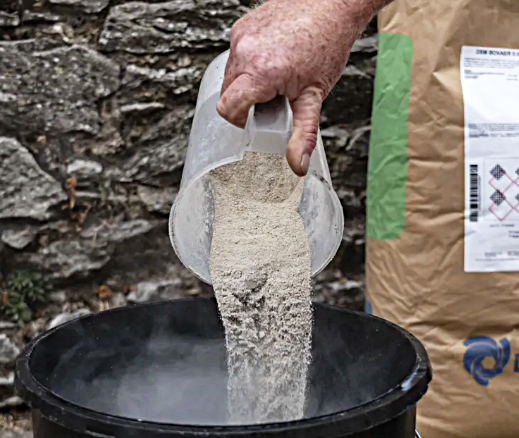
Since October 1, farms with over 50 cows have been required to dose rations with the chemical 3-nitrooxypropanol, developed by DSM-Firmenich. If the farms don’t comply they face heavy fines.
Horrifying reports flood in: cows collapsing, miscarrying, suffering fevers, diarrhea, and plummeting milk yields — some euthanized after agonizing weeks.
“It’s slow poisoning masked as sustainability,” lamented one producer.
Key whistleblowers include farmers featured in citizen journalist Kent Nielsen’s viral video. Henrik Jensen, a Jutland dairyman, removed Bovaer from his 120-cow herd amid rampant illnesses; within days, the animals recovered vigor and output. Upon reintroduction to comply with fines, symptoms returned ferociously, forcing another halt.
Similarly, Søren Larsen withdrew the additive after losing two cows to neurological distress. Recovery was swift, but re-dosing triggered worse inflammation. “Our herds are experiments now,” Larsen said.
National Association of Danish Milk Producers chairman Kjartan Poulsen has demanded a “timeout” and an investigation citing over 200 complaints. Professions
The Danish Veterinary and Food Administration clarified on Nov. 24 that farmers are exempt from feeding Bovaer if their cows are getting sick.
A national veterinarian body is also investigating as critics decry that climate zealotry is endangering food security, animal health and farmers’ livelihoods.
Bovaer has been mired in controversy since its release as a drug with no animal-health purpose but as an unpopular “pharmaceutical approach” to supposedly preventing climate change through a methane-reduction feed additive.
There was a major consumer backlash in the UK when a milk co-op tried to roll out the drug to its affiliated 30 herds last December. Norway last month announced its farmers are no longer required to feed Bovaer to their cows. Also in late November, a Swedish co-operative stopped its trial of Bovaer.
Denmark’s SEGES Innovation recently conducted an online survey of Denmark’s dairy farms and received 551 responses from a total of 1,641 conventional herds with more than 50 cows. The survey found:
• 365 herds (66 %) reported reduced feed intake
• 376 herds (68 %) reported lower milk yield
• 327 herds (59 %) reported both
• 349 herds noted increased digestive and metabolic disorders, including reduced rumination, diarrhoea, atypical milk fever and fever.
Many respondents said they mitigated issues by introducing Bovaer gradually, reducing the dose, or discontinuing it entirely when problems appeared.
One overlooked criticism is that only now, three years after regulatory approval, Aarhus University is conducting the first real-world on-farm study on Bovaer.
Bovaer has been approved for Canadian use as of January 2024 but farmers appear uninterested in the product due mostly to price. Bovaer is authorized in over 70 countries, including the EU (since 2022), the U.S. (since May 2024), Australia, Brazil, and Japan. Bovaer studies in Canada were research-based in Alberta. There have been no trials where Bovaer was distributed for general farm use in Canada.