
Published on
November 28, 2025

Travel disruption has hit Europe again: major carriers Ryanair, easyJet and Helvetic Airways have cancelled scores of flights — leaving thousands of passengers stranded or scrambling to rearrange plans. The wave of cancellations underscores persistent issues across the continent’s air‑traffic control, staffing, and weather‑related challenges, with knock‑on effects for popular holiday and business destinations.
Cancelled Finnair Flights
Cancelled Helvetic Flights
Cancelled EasyJet Flights
Cancelled Ryanair Flights
What’s Causing These Mass Cancellations?
- Air‑Traffic Control Failures & Staffing Shortages: In remarks released by Ryanair, the airline blamed widespread cancellations and delays across France, Spain, Germany and the UK on mismanaged and under‑staffed ATC services. DOE 2025 statistics show over 33 million passengers impacted this year alone.
- Severe Weather and High European Travel Demand: According to recent aviation‑industry reports, summer storms, heavy winds and intense travel‑season pressure have pushed Europe’s aviation infrastructure to the limit, causing systemwide disruptions.
These systemic issues — from weather to staffing shortages — have combined to fuel a wave of cancellations across multiple airlines and destinations.
Key Destinations & Countries Affected
The cancellations impact a broad swath of popular European routes:
- Spain (Barcelona, Malaga, Madrid)
- Italy (Naples, Venice, Milan‑Malpensa, Pisa, Florence)
- United Kingdom (London Stansted, Manchester)
- Switzerland (Zurich)
- Germany (Berlin)
- Netherlands (Amsterdam)
- Ireland (Dublin)
Passengers travelling to or from these locations face cancelled journeys or major disruptions.
Passenger Impact: Chaos on the Ground
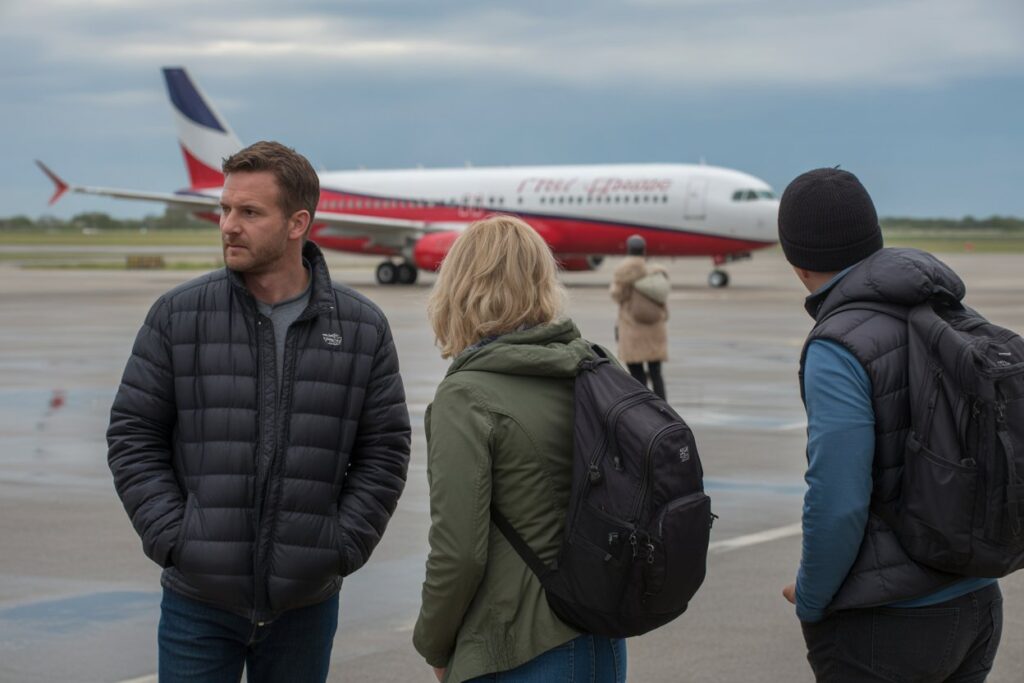
The travel‑standstill leaves many stranded at airports, juggling rebookings, cancellations and lengthy wait times. Reports indicate thousands of travelers affected across Europe, with many facing uncertain onward travel, extra accommodation costs, or missed connections — particularly during a peak travel period.
In some cases, missed flights also meant disrupted holidays or business trips — and a scramble for alternative transport amid already crowded flights and shaken confidence in travel reliability.
What Passengers Should Do Now
If your flight was cancelled: contact your airline immediately to check re‑booking or refund options under EU Regulation 261/2004. Hold on to receipts for meals, accommodation or transport while you wait. Check whether EU compensation applies (typically €250–€600 for cancelled flights, depending on distance). Stay updated through your airline’s official channels — many have announced ongoing disruptions across Western Europe — and consider alternative travel plans only after official confirmation to avoid additional complications.
Broader Travel Implications
The wave of cancellations this autumn adds to a growing pattern of European travel disruption. Beyond individual travel woes, the scale of cancellations is amplifying broader travel‑industry stress — straining airports, customer‑service teams, and rebooking systems across the continent.
In a recent Europe‑wide disruption, over 60 flights were canceled and more than 1,000 delayed within a single day, illustrating how even strong traffic‑management systems are buckling under pressure.
Underlying the chaos is a structural problem. For many airlines like Ryanair, the bulk of cancellations this year are rooted in energy‑draining ATC mismanagement and under‑staffing in key countries — especially France, Spain, Germany and the UK. These are not isolated incidents, but recurring systemic failures that scramble schedules and erode confidence.
Meanwhile, the pressure of late‑year leisure travel — plus volatile weather patterns — is causing airlines to over‑stretch thin resources. Ground‑handling staff shortages, aircraft rotations, and slot delays combine with unpredictable storms to create a perfect storm of disruption.
For travelers, this spells heightened uncertainty. Booking early no longer guarantees smooth travel: even confirmed tickets can be cancelled, rerouted or delayed at short notice. The usual cushion of alternative flights or standby bookings is shrinking as airlines struggle to re‑assign aircraft and crews.
Until then, travelers must approach European air travel with caution, flexibility and contingency plans — especially if their itinerary includes Italy, Spain, the UK or key intercontinental hubs.
