
Greetings from Washington, where the American public is eagerly awaiting the release of the long-sealed files in the case of Jeffrey Epstein, friend of the rich and powerful who spent years sexually exploiting minors.
After countless attempts by President Donald Trump and his allies in Congress to kill the story as a “Democratic hoax”, the political sands have shifted.
A drop in Trump’s approval ratings, driven by voter dissatisfaction with how he handled the controversy over the Epstein files, forced a change of heart among Republicans looking to the 2026 midterm elections.
The Balkans have not been anywhere near the centre of Washington’s attention of late.
A record-long government shutdown froze nearly all meetings between US officials and regional leaders. Still, even in the shadows of domestic chaos, a few major shifts have occurred, including one that may signal a significant shift in US policy toward Bosnia and Herzegovina.
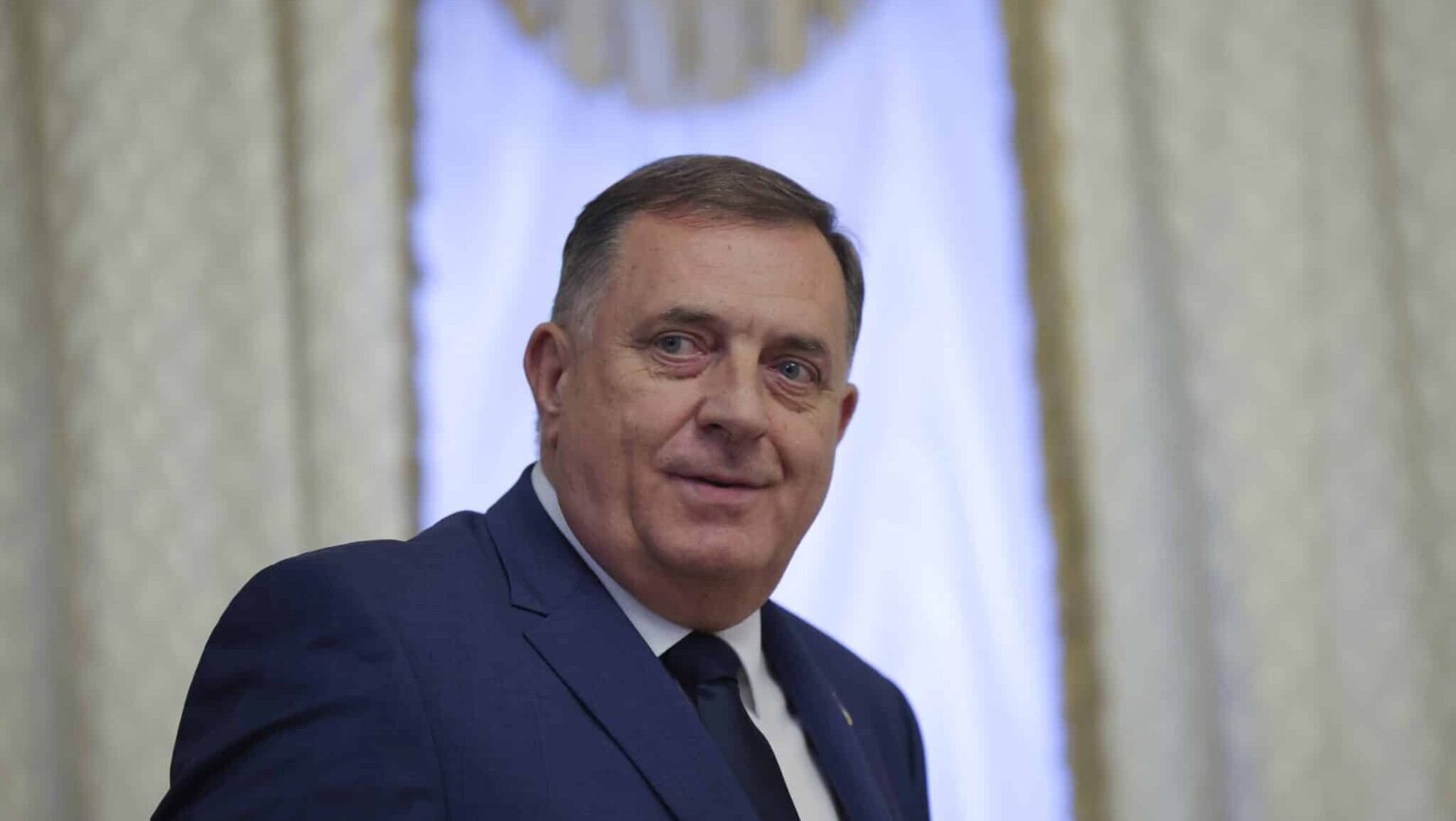
Just weeks before the 30th anniversary of the Dayton Peace Agreement that ended the 1992-95 war in Bosnia, the US lifted sanctions on Milorad Dodik, the former president of Republika Srpska, a man Washington had, for decades, openly labelled a threat to Dayton’s foundations.