
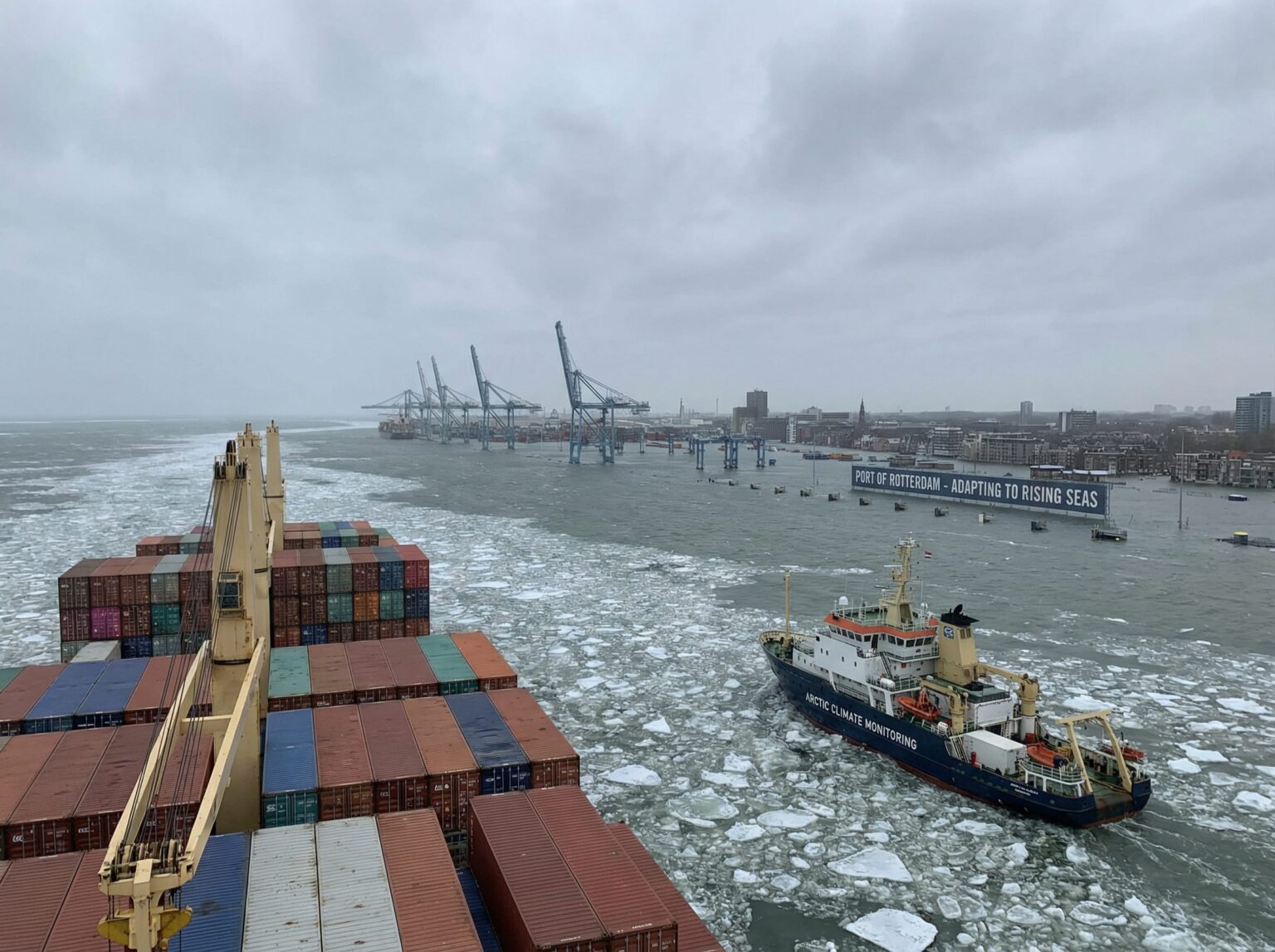
Climate change is reshaping the maritime industry at an unprecedented pace. From rising sea levels to increasingly frequent extreme weather events, the sector faces significant challenges that demand urgent attention and innovative adaptation strategies. This guide provides a comprehensive overview of how climate change affects global maritime operations, explores industry responses, and offers expert guidance to help stakeholders build resilience for the future.
Rising Sea Levels: A Looming Challenge
Rising sea levels pose a direct threat to port infrastructure and coastal shipping routes. As oceans encroach on land, ports worldwide must contend with flooding, erosion, and the need for costly upgrades to maintain functionality. Low-lying ports in Asia, Europe, and the Americas are particularly vulnerable, with some already investing in elevated docks, improved drainage systems, and protective barriers.
Key Impacts:
- Increased risk of port closures due to flooding
- Higher insurance premiums and operational costs
- Disruption of supply chains and trade routes
Extreme Weather Events: Navigating Uncertainty
The frequency and intensity of storms, hurricanes, and typhoons are increasing, placing ships, crews, and cargo at greater risk. Extreme weather can delay voyages, damage vessels, and threaten crew safety. For example, the North Atlantic and Western Pacific have seen a notable uptick in severe storm activity, prompting operators to reassess routing and scheduling.
Key Impacts:
- Heightened safety risks for vessels and personnel
- Increased likelihood of cargo loss or damage
- Operational delays and unpredictable schedules
Adaptation Strategies: Building Resilience
To address these challenges, maritime stakeholders are embracing adaptation strategies that enhance resilience and sustainability:
Infrastructure Upgrades
- Elevating port structures and reinforcing sea walls
- Implementing advanced drainage and flood management systems
Technological Innovations
- Deploying weather forecasting and route optimization tools
- Investing in more robust, climate-resilient vessels
Policy and Collaboration
- Participating in international climate initiatives (e.g., IMO’s decarbonization goals)
- Collaborating with governments and environmental organizations
Industry Responses and Resilience Planning
Leading maritime companies and organizations are developing comprehensive resilience plans to safeguard operations. These include risk assessments, emergency response protocols, and ongoing investment in sustainable technologies. The industry is also advocating for stronger regulatory frameworks to support climate adaptation and mitigation.
Best Practices:
- Conducting regular climate risk audits
- Training staff in emergency preparedness
- Engaging in cross-sector partnerships for shared solutions
Conclusion
The impact of climate change on maritime operations is global, complex, and evolving. By understanding the risks and implementing forward-thinking adaptation strategies, the industry can continue to thrive while protecting assets, people, and the environment. Staying informed and proactive is essential for navigating the challenges ahead.
Explore more industry guides and expert opinions at maritimefairtrade.org to stay ahead of climate-driven challenges in the maritime sector.
Viewed By 2