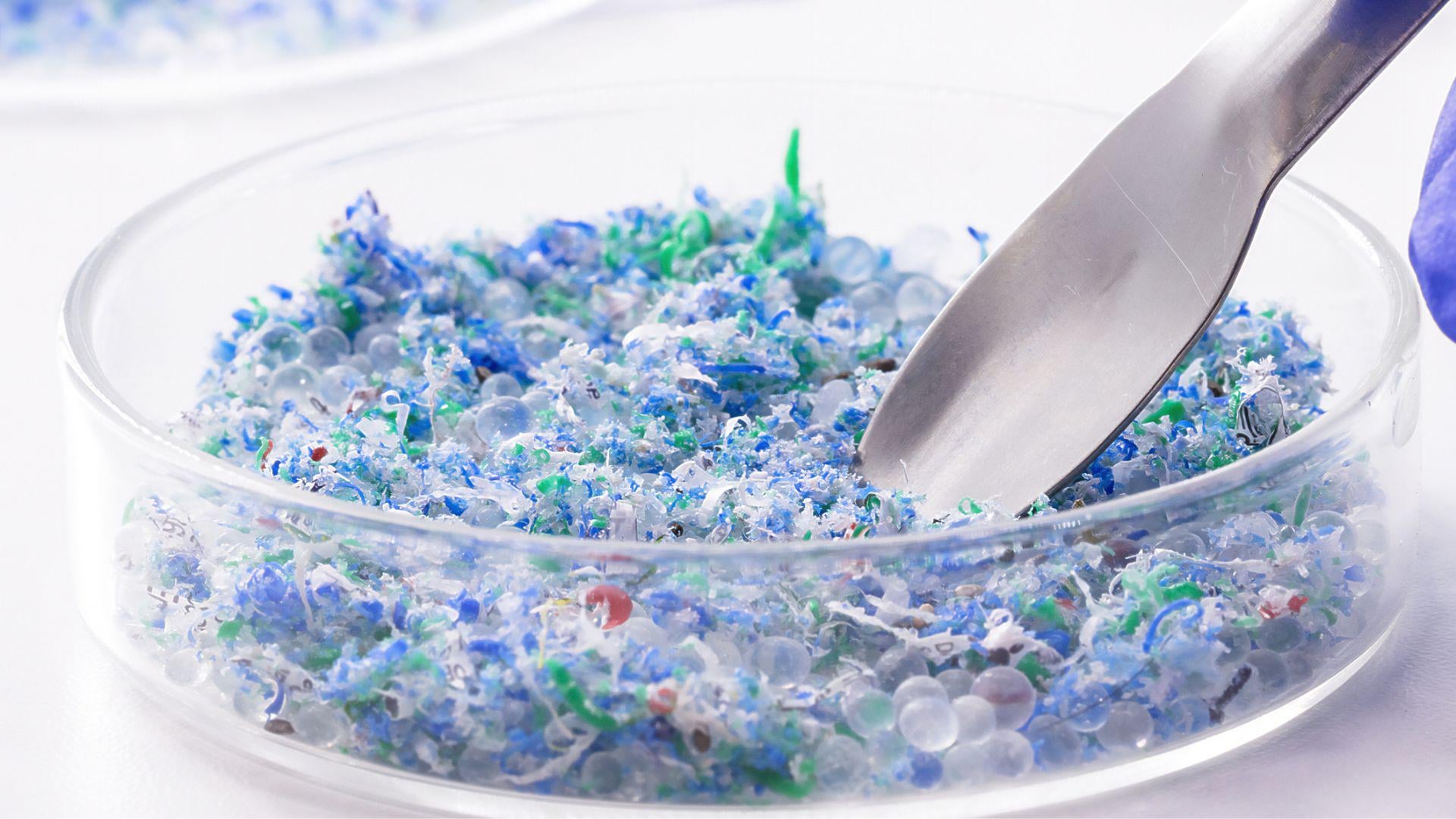
Researchers create programmable plastic that can self-destruct when triggered
https://interestingengineering.com/innovation/programmable-plastic-that-can-self-destruct

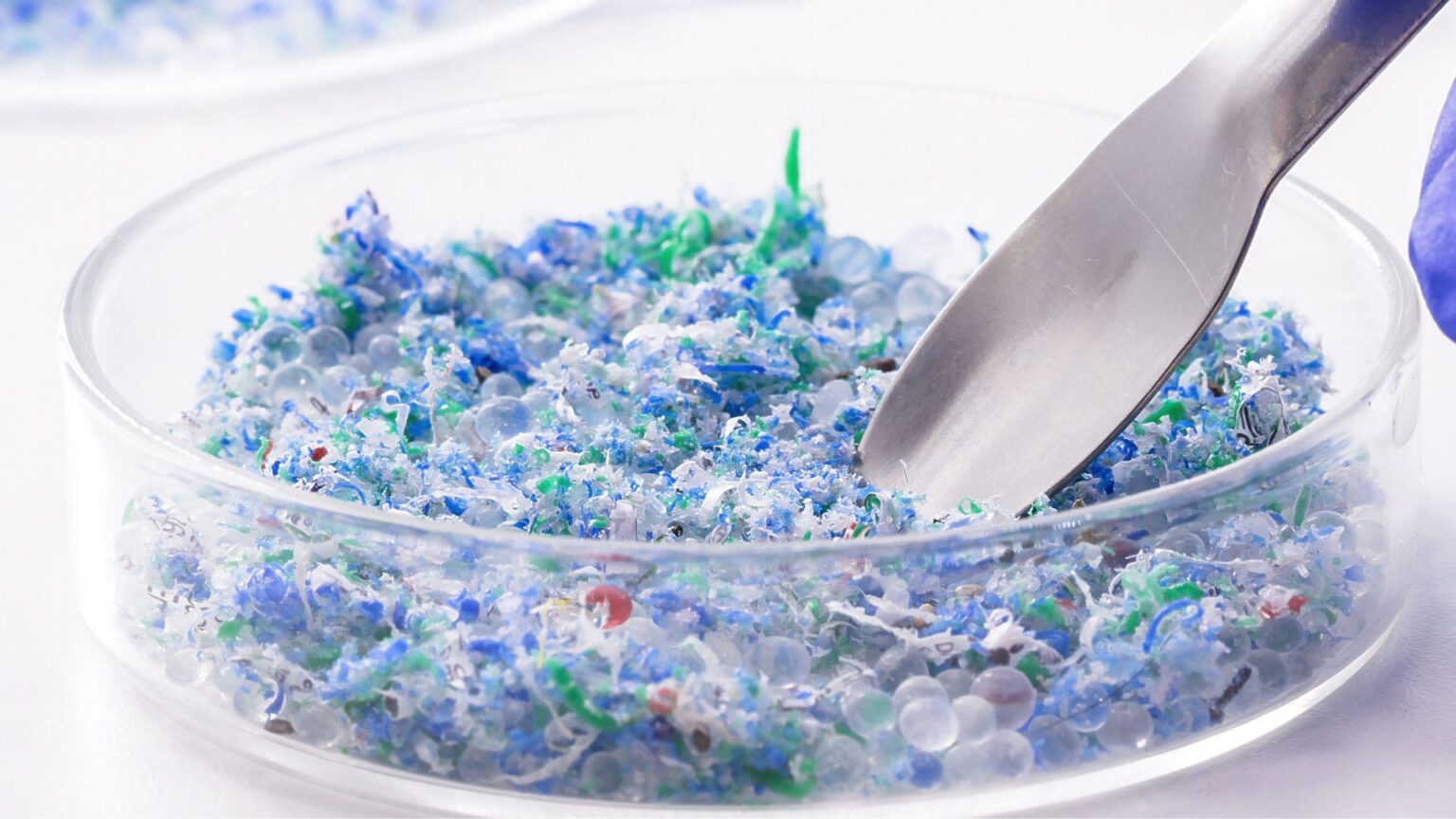
Researchers create programmable plastic that can self-destruct when triggered
https://interestingengineering.com/innovation/programmable-plastic-that-can-self-destruct
1 Comment
Researchers from Rutgers University have figured out a way to make plastics that can be programmed to self-destruct. What’s more, this innovation has been achieved without the use of new chemicals but through the use of polymer molecules folded in space.
This is a big deal because current plastics are designed to be extremely durable. Nature’s polymers (like DNA, RNA, proteins), on the other hand, aren’t durable forever.
In other words, they do their job, then fall apart naturally. Inspired by this, the Rutgers team set out to discover how to give synthetic plastics a similar “built-in end-of-life.”