
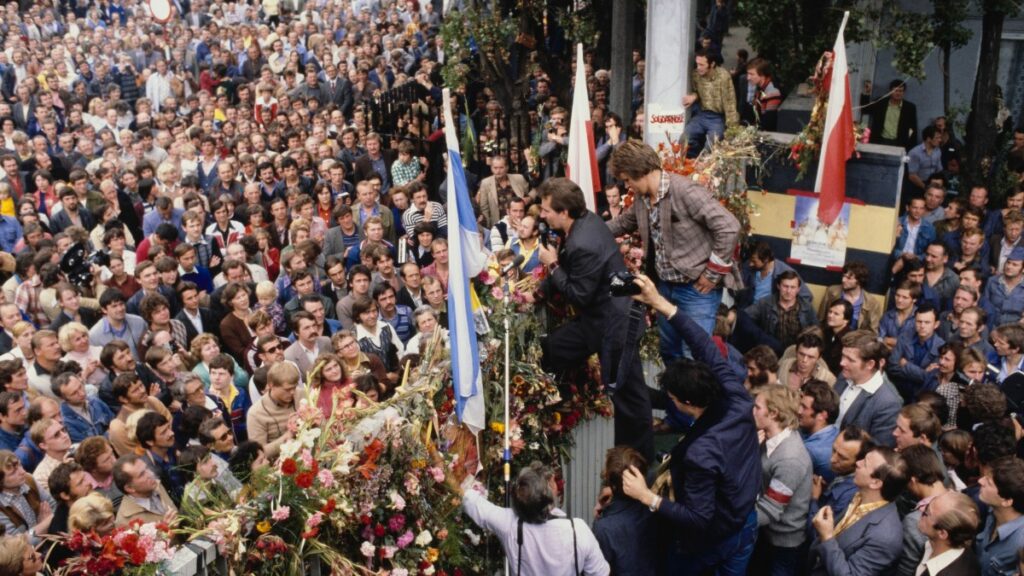
If modern Poland has a birthplace, it is the old Lenin shipyard in the Baltic port of Gdansk. Here, in 1980, the upstart electrician Lech Walesa fired up what would become the first popular movement to topple a communist regime in the eastern bloc. One day, Walesa told his followers, they would not just free their homeland from oppression but turn its moribund economy into a “second Japan”.
One of the dissidents in the crowd that day was a history student called Donald Tusk. “Everyone was laughing,” Tusk, now Poland’s prime minister, recalled in a recent interview with The Sunday Times. “People thought that [Walesa] was absolutely detached from reality. Back then Japan was the symbol of modernity… And now? Yeah, we got them.”
This year Poland is forecast to overtake Japan, at least in terms of GDP per capita adjusted for purchasing power parity — crudely, how much the average Pole can buy with their money. This index of prosperity has tripled in real terms in little more than a generation since the end of the Cold War. By this measure, Poland should surpass Israel in 2026. Next in Warsaw’s sights are Spain and New Zealand. It is possible that Poland’s average household incomes will overhaul Britain’s in the 2030s.
• France brings back teenage military service to counter Russia
For once, the words “economic miracle” are warranted. Since a savage recession at the dawn of the 1990s, Poland has simply kept on growing and growing as Europe’s other emerging “tiger” economies have stumbled or run out of puff. It shrugged off the 2008 financial crisis and even the pandemic barely broke its stride. By the end of the year it will have joined the select club of countries whose GDP exceeds $1 trillion.
Andrzej Domanski, the finance minister, said his nation was now knocking on the door of the G20, the group of the world’s 20 largest economies. “It’s an enormous success,” he said. “For my generation it’s a point of pride, but for my parents’ generation, who remember Walesa promising that Poland would one day be a ‘second Japan’, it’s almost unbelievable. My mother still doesn’t believe it when I tell her.”

Poland’s finance minister Andrzej Domanski says his country is aiming for the G20
THIERRY MONASSE/GETTY IMAGES
Behind these numbers is a tangible shift in the balance of power and respect. Poland’s teenagers now routinely outperform their German, Swedish and Danish peers in maths, reading and science, according to the international Pisa rankings. They are only a whisker behind their counterparts in the UK. Poland’s most successful corporations are apex predators, buying up the competition in western Europe.
The stereotype of Polish plumbers pouring into western Europe for higher wages has been definitively torn up. The country’s net migration flows to Britain and Germany have gone into reverse, largely because far more Poles are staying put to begin with. Over the 12 months to June, 25,000 Polish nationals returned from the UK to their homeland and only 7,000 moved in the opposite direction.
Some excitable commentators talk of a new “golden age”, a term associated with the imperial swagger of the 16th-century Polish-Lithuanian commonwealth. But before anyone in Westminster gets too carried away with the prospect of gingering up Britain’s arthritic economy with a dose of Polish medicine, it is worth contemplating the other sides of the story: the intense hardships along the way; the yawning budget deficit and scattergun welfare spending; the gulf between rich and poor and its incendiary political consequences; and the rapidly deteriorating demographics that could yet nullify the country’s vigorous animal spirits.
• Poland to deploy 10,000 soldiers to protect railways after blast
Above all, Poland has come so close to converging with western Europe it is easy to forget how radically different its trajectory has been over the past half-century, from a time when slight increases in the state-dictated price of pork provoked street protests to a present in which Polish firms are developing driverless taxis and putting military satellites into orbit.
Forty years ago, as Margaret Thatcher was unleashing the Big Bang in London, Marcin Kotlarek was a schoolboy in Koszalin, a city of about 100,000 people near the Baltic coast. “What I remember most vividly is the constant shortages: the empty shelves in grocery stores and the excitement when neighbours whispered that coffee had just arrived,” he said. “Getting a pair of winter shoes, not to mention adidasy — as all trainers were called — felt like a small miracle.”
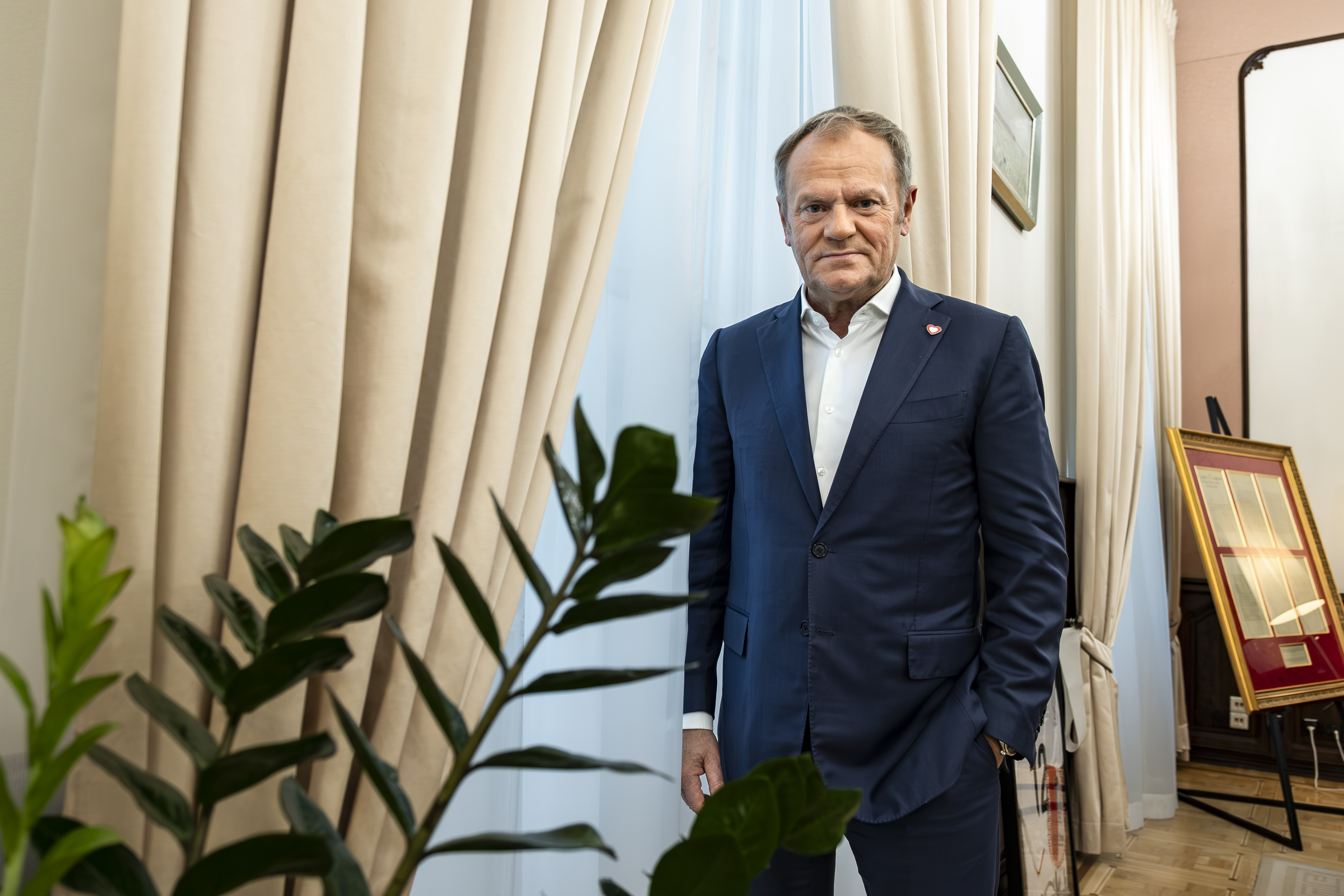
Donald Tusk, the Polish prime minister, thought Lech Walensa’s dream of freedom from the eastern bloc was fantasy
DAMIAN LEMANSKI FOR THE TIMES
After Walesa’s Solidarnosc (Solidarity) movement overthrew communist rule and restored democracy in 1989, the economy was in effect broken after 45 years of rank mismanagement. “When we started, we were bankrupt, unable to service our debts,” said Jan Krzysztof Bielecki, an economist who briefly served as prime minister in 1991. “Trade was dead, and the [public] finances were basically in ruins.”
Like so many countries to the east of what had been the Iron Curtain, Poland was put on a stringent economic crash diet. Leszek Balcerowicz, a New York-educated economist who had once advised the communist regime but switched to Solidarnosc, was brought in as finance minister to dismantle the apparatus of state control.
“Margaret Thatcher had a much smaller task — she was liberalising an already capitalist economy,” Balcerowicz said. State-owned enterprises were liquidated through a system of vouchers, foreign investors were invited to take their pick of the spoils, and the currency was pinned on a punishingly low peg to the dollar.
Unemployment, previously all but non-existent, hit 16 per cent by 1992. GDP dropped by more than a fifth. Inflation rose to a peak of 586 per cent. Kotlarek’s middle-class parents, who had decided to use their newfound freedom to build a modest terraced house in partnership with friends, found themselves suddenly drowning in debt. They were forced to sell off the few assets they had, including their gold rings.
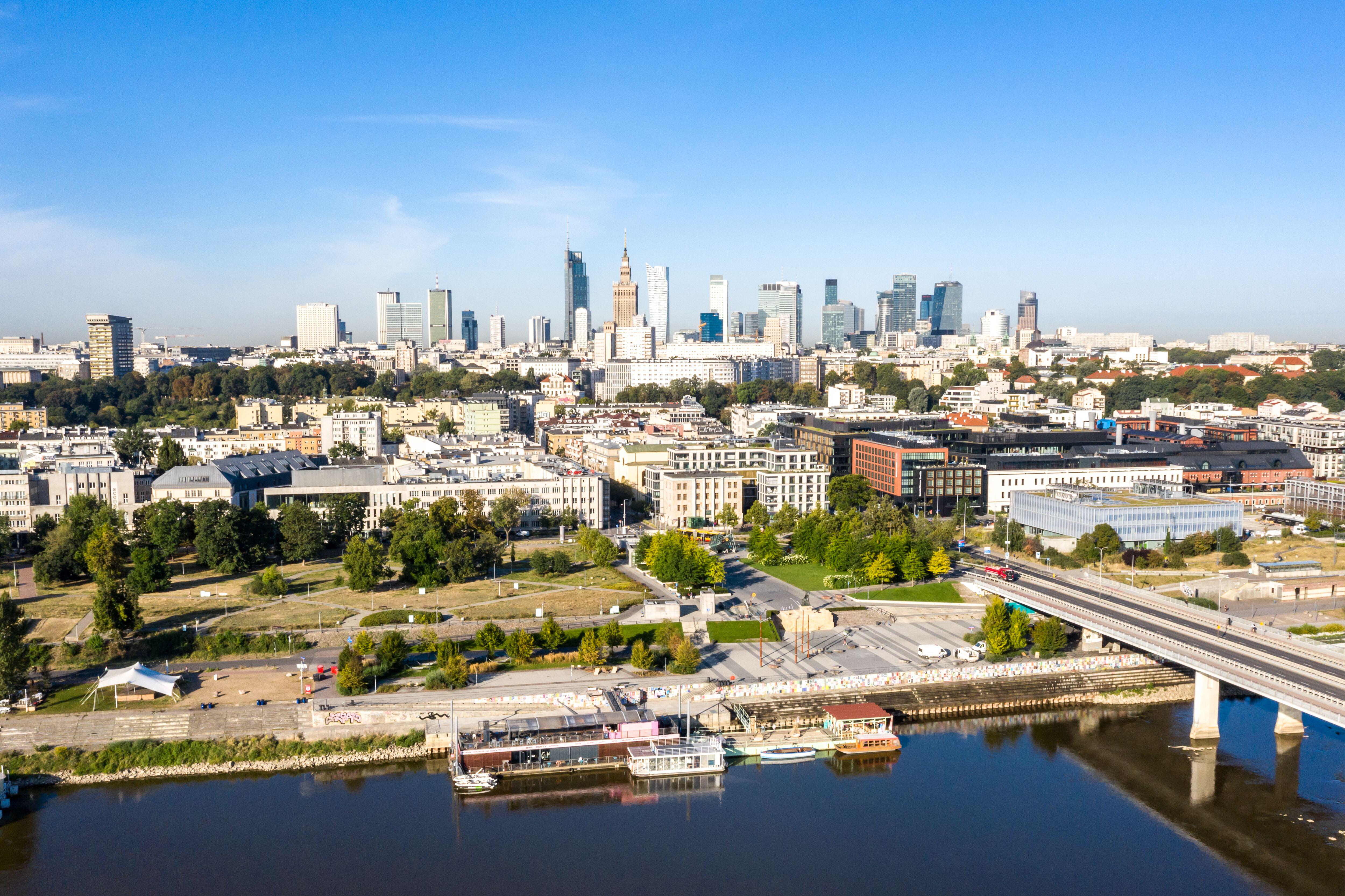
Poland’s average household income may overhaul Britain’s in the 2030s
SOPA IMAGES/ALAMY
The contrast with western Europe was bleak. In 1990 Kotlarek went on a school trip to West Germany, a few months before reunification, and was “shocked” by its seemingly easy affluence. “The cars, the food, the sheer abundance — Nutella and dozens of TV channels,” he said. “It was a different planet.”
Unlike others abruptly liberated from communism, Poland stuck to its guns and pushed privatisation through to its conclusion. It built strong and independent institutions, including auditors, ombudsmen, courts and the central bank, reining in the oligarchy and corruption emerging in other former eastern bloc countries. In effect, its leaders out-Thatchered Thatcher. “The faster you move away from a bad system, the sooner you create better conditions for private enterprise,” said Balcerowicz.
The wisdom of his strategy is debated to this day. While it jump-started a recovery in GDP and balanced the budget, it also left 87 of Poland’s 100 largest companies under foreign ownership and immiserated huge numbers of workers, particularly in rural areas, creating a deep reservoir of political resentment.
What is beyond dispute, though, is that Poland’s accession to the EU in 2004 turned a growth spurt into a boom that has continued almost unbroken to the present. By the finance ministry’s reckoning, the country received a quarter of a trillion euros in EU funding over two decades, amounting in some years to as much as 3.5 per cent of GDP.
Yet Poland’s businesses also became sharper, more innovative and better capitalised, as the barriers to trade and migration broke down. One striking example is the career of Jan Kolanski, who started a business importing herbs and spices with his wife in the chaos of the 1990s at a time when turmeric and cardamom seemed daringly exotic.
Over time, his Colian conglomerate expanded into the European confectionery market and bought out the British chocolatier Elizabeth Shaw, which makes Mint Crisps and the Famous Names liqueur chocolates. This summer it became the dominant partner in a merger with Gubor, one of Germany’s larger chocolate manufacturers.
One of the most ubiquitous cases is Geralt of Rivia, the monosyllabic monster-killing hero of Andrzej Sapkowski’s Witcher novels. Once a cult hit among fantasy enthusiasts, the Witcher franchise became a global juggernaut after it was picked up in the early 2000s by a computer-game developer called CD Projekt Red. It was a wildly ambitious project for a firm that had begun life as a translator and distributor of foreign games on the Polish market, in a country with virtually no experienced developers.
“We had to learn everything from scratch,” said Piotr Nielubowicz, CD Projekt Red’s chief financial officer. It has now sold more than 75 million copies of the three Witcher games, with 97 per cent of its revenue coming from overseas, and acquired studios in Vancouver and Boston, Massachusetts.
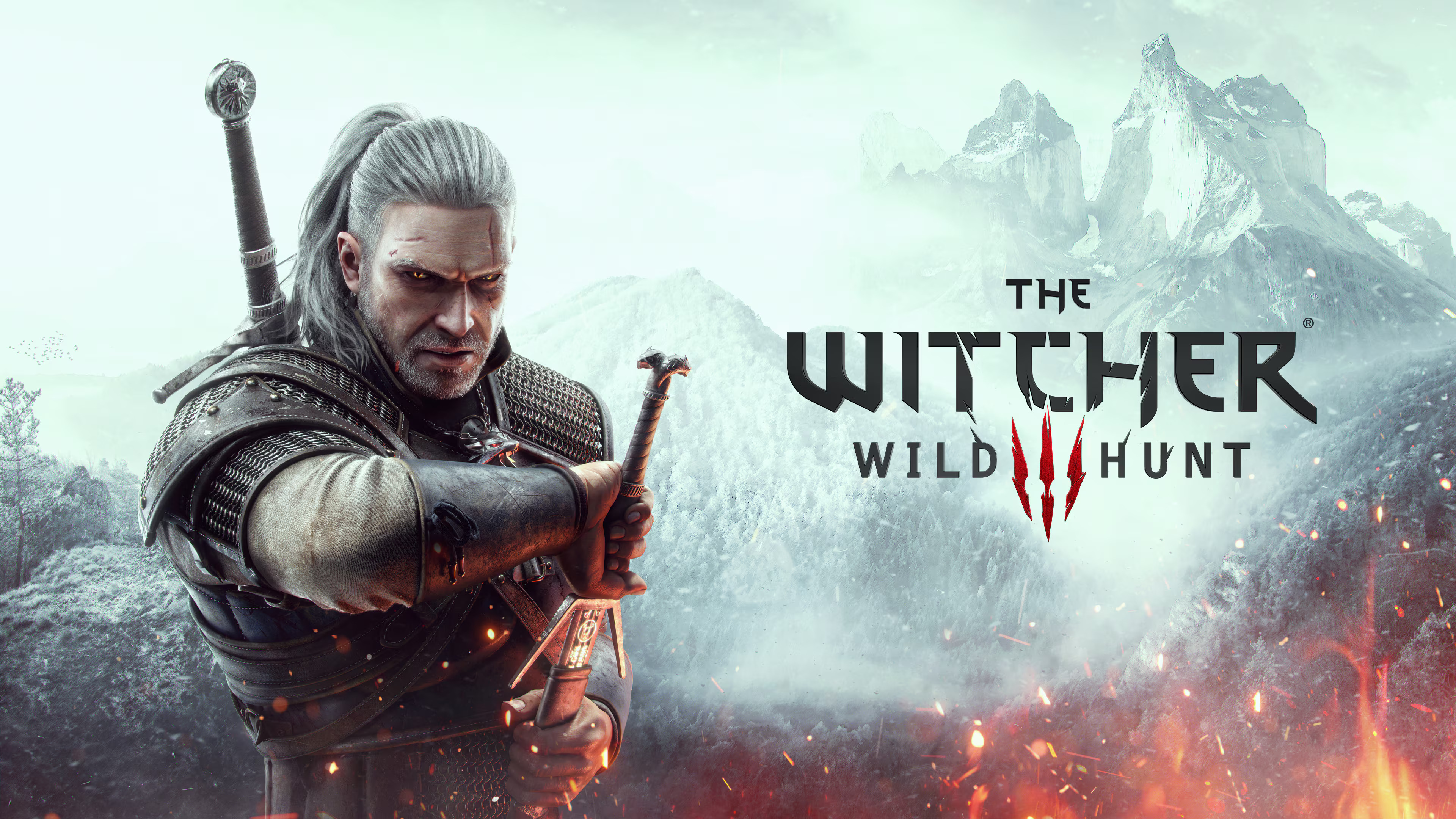
The Polish games developer CD Projekt Red had a huge hit with its Witcher series
Making up for years of lost time
Those who have neither a Playstation 5 nor an urge to dismember 12ft centipedes may be more familiar with InPost, a Polish logistics company that runs more than 12,000 automated parcel lockers across the UK. In January, when InPost’s founder, Rafal Brzoska, pledged to invest another £600 million in Britain, Keir Starmer thanked him in person and had the announcement trumpeted on the No 10 website.
Brzoska argues that Poland’s entrepreneurial drive was pent up over decades of suppression. “During those 50 years of communism we lost so much time and now we’re making up for it,” he said. “What really distinguishes us is the work ethic. We always feel we have to be two steps ahead.”
Marcin Kotlarek broadly concurs. Having studied in Germany and worked for Mercedes Benz in Stuttgart and Singapore, he returned to his homeland and spent years at the Boston Consulting Group helping to whip the Polish banking sector into shape.
“There was a collective willingness to learn, to improvise and to seize opportunity which still shapes Poland’s economy today,” said Kotlarek, now chief executive of a Swedish environment non-profit organisation called Race to the Baltic. “For western Europe, where institutions are mature and societies more risk-averse, that kind of entrepreneurial hunger can feel unfamiliar.”
• This affordable Krakow hotel is great for first-time visitors
Brzoska suggests, only half in jest, that if things carry on this way then British economic migrants will come to seek their fortune in Poland the way Poles once did in Britain. At the last official count there were only 6,600 British nationals living in Poland, although the number has roughly trebled since 2011.
Among them is Natasha Britton, who moved over for a summer job but now manages the stable at a riding school in Marczow, a remote village in the southwestern region of Lower Silesia. Despite being on the national minimum wage, which equates to £6.30 an hour, Britton said she preferred her new life in Poland to her previously well paid but “boring” office job in the UK.
Yet the architects of Poland’s success warn that the next phase will be harder. If Poland’s first 35 years of capitalism were defined by catching up with the old West, the next 20 will be defined by avoiding its mistakes. The economy has changed in shape as well as size. The country has been transformed from a net exporter to a net importer of labour.
Alongside nearly a million Ukrainians, most of whom are war refugees, there are 140,000 Belarusians and smaller minorities from non-European countries such as India and Vietnam. Without further immigration, the workforce is forecast to shrink by 2 million workers, or more than a tenth, over the coming decade. The fertility rate has plummeted from two births per woman in 1990 to 1.1 today, one of the lowest in the EU.
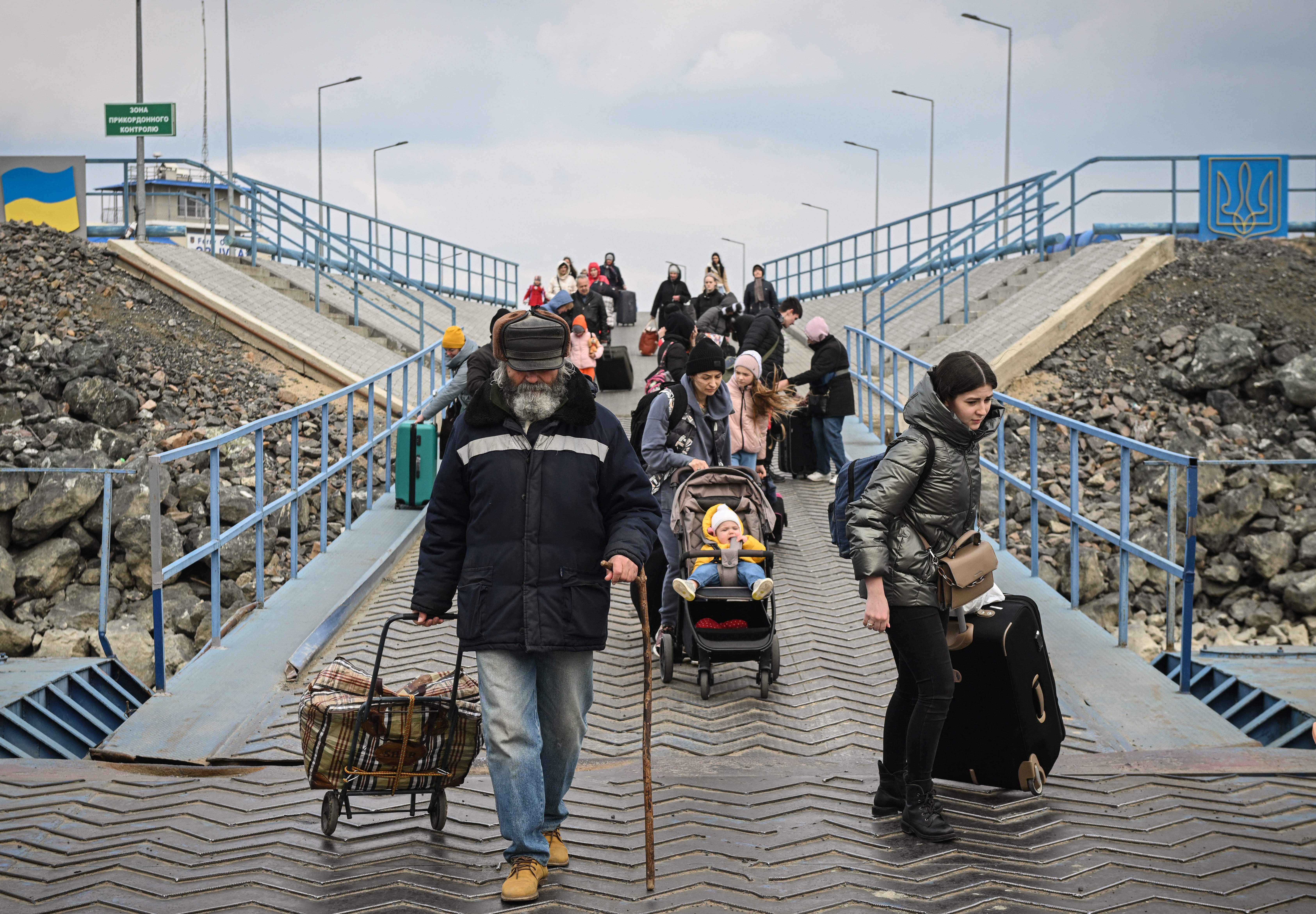
Ukrainian refugees cross the Danube at the Romanian border. Almost one million Ukrainian refugees live in Poland
DANIEL MIHAILESCU/GETTY IMAGES
As Poland gets richer, its workers’ salaries and expectations are moving towards western European standards. Next year the government will fund what is thought to be central and eastern Europe’s first state-sponsored experiment with shorter working hours. Companies will be given a share of £10 million to test models such as three-day weekends or extra days of annual leave on full pay.
The minimum wage has quadrupled in real terms since it was introduced in 1994. Bielecki, who now works for EY Poland, notes that the average working hour in the country’s highly competitive business services sector costs $28. “In India, it costs $11,” he said. Brzoska, of InPost, worries that Poland’s precious work ethic, ingrained over so many years of scarcity, may start to crumble if the country begins to behave like the richer nations it once envied. “If we stand still, we’ll fall behind,” he said.
Country can’t afford to stand still
Balcerowicz, who is now a professor at the Warsaw School of Economics, laments the current government’s “propaganda of success”. Poland, he argues, has grown “despite poor economic policy” in recent years, hampered by rising deficits and “poorly targeted” welfare spending, including universal child benefits. “Any official justification that this will lead to more children is nonsense,”he said. “We cannot count on further convergence with the West.”
Tusk agrees with some of these criticisms. In his view, Poland’s pro-natal benefits do not work and a deficit amounting to 6.8 per cent of GDP — the second-highest in the EU — is unsustainable and liable to become a drag on growth. Domanski, his finance minister, also concedes that the old model of cheap labour and prodigious EU transfers is over.
What will replace it remains to be seen. Poland is becoming the principal gateway for land-based trade routes between the EU and the rest of Eurasia, including China’s Belt and Road shipments. The container port at Gdansk is one of the busiest in Europe and another is to be built at Swinoujscie, near the German border.
• How ‘state-sponsored’ drone activity is pushing Nato to brink
Despite the country’s image as an inveterate guzzler of coal, it is also going through what Domanski plausibly describes as “perhaps the largest energy transition in Europe”. It is installing offshore wind turbines at a rate comparable to Germany, laying down new power lines twice as fast as Britain and planning to construct its first nuclear power station at Choczewo, 40 miles northwest of Gdansk.
The finance minister argues that even Poland’s current limitations can be interpreted as sources of untapped potential. If its businesses have been slower than most of their European peers to teach staff digital skills and adopt artificial intelligence, for example, that might give them greater scope for productivity gains.
Other optimists make the case that Poland could ultimately form the sort of lopsided but mutually beneficial symbiosis with Ukraine that Germany has had with Poland: a prosperous nation outsourcing work to a poorer eastern neighbour.
Be that as it may, it would take a brave investor to bet against a country that has already fulfilled Lech Walesa’s dream of a Japan on the Vistula.