
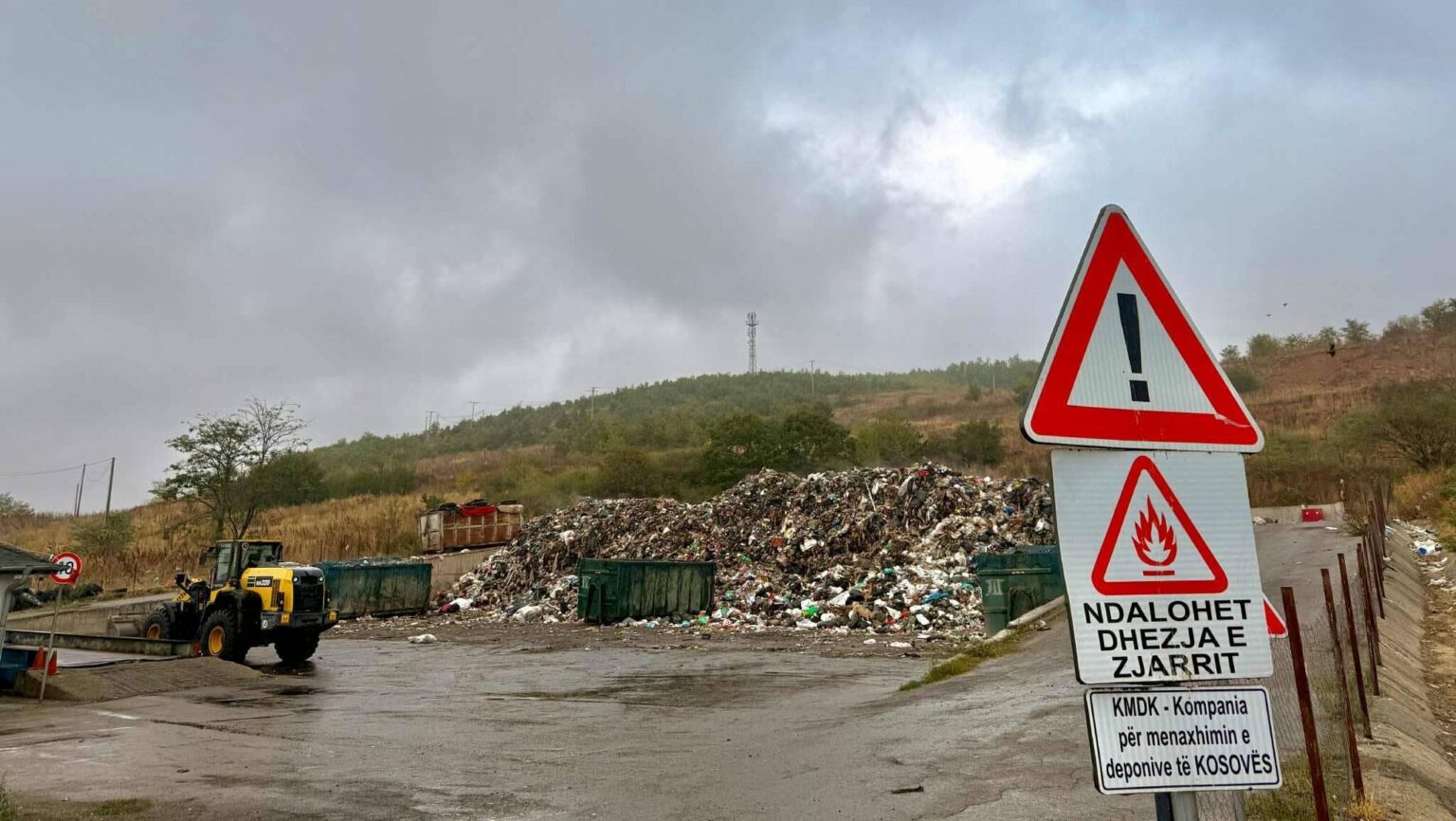
According to the National Institute of Public Health of Kosovo, improper waste management in Kosovo creates ideal conditions for the development of bacteria, parasites and insects, increasing the risk of infectious diseases such as dysentery, hepatitis A, cholera and respiratory tract infections.
According to the Institute, “waste burning releases smoke and harmful gases, such as dioxin and furan, which can cause allergies, chronic respiratory problems and, in rare cases, carcinogenic diseases”.
Zeqir Veselaj, a lecturer in Environmental Education at the University of Pristina, said the most direct and visible impact is the “destruction of the landscape by waste dumps even in the most beautiful natural areas”.
“Over time, depending on their composition, they pollute the soil and if they remain too long as a result of rainfall and runoff, they can also pollute groundwater.”
He called for “an efficient system of law enforcement and inspection”.
While noting “some progress” in cutting the number of illegal landfills, the European Union Office in Pristina cited a lack of funding or financial incentives.
“Only a few landfills require entrance fees, which only cover the basic cost of landfill management, without providing for any subsequent care,” the EU told BIRN in September. “For waste collection, there is no ‘pay as you throw’ system.”
This article was originally published by Kosovo-based website Enigma.