Wow, I’m working in an Ariane 6 supplier factory and didn’t even know that, thanks ! Not sure if they actually pursued with the boosters recovery though.
TWNW on
Reusing of Solid Rocket Boosters (SRBs) is a problematic matter.
Because the most expensive part of it – fuel itself, while hull and auxiliary machinery are significantly less expensive.
With liquid fuel first stages/boosters reusability actually has economical sense. Because you are saving the most expensive part of the rocket. While most kinds of liquid fuel are significantly cheaper than practically useful solid fuel.
marlinspike on
In a 2018 Der Spiegel interview, ArianeGroup’s CEO Alain Charmeau explained that with Europe’s low launch cadence, reusable boosters would mean they only build about one rocket a year. His worry was not that reusability would fail technically, but that the production line and workforce would have nothing to do. That quote shows up again in Ars Technica’s coverage and even in the Ariane 6 Wikipedia article.
So the issue was never just engineering. It was an industrial policy problem. SpaceX optimized for reuse and marginal cost. Ariane optimized for keeping the factory busy. If you want to understand why Europe fell behind on launch, that is the quiet part that accidentally got said out loud.
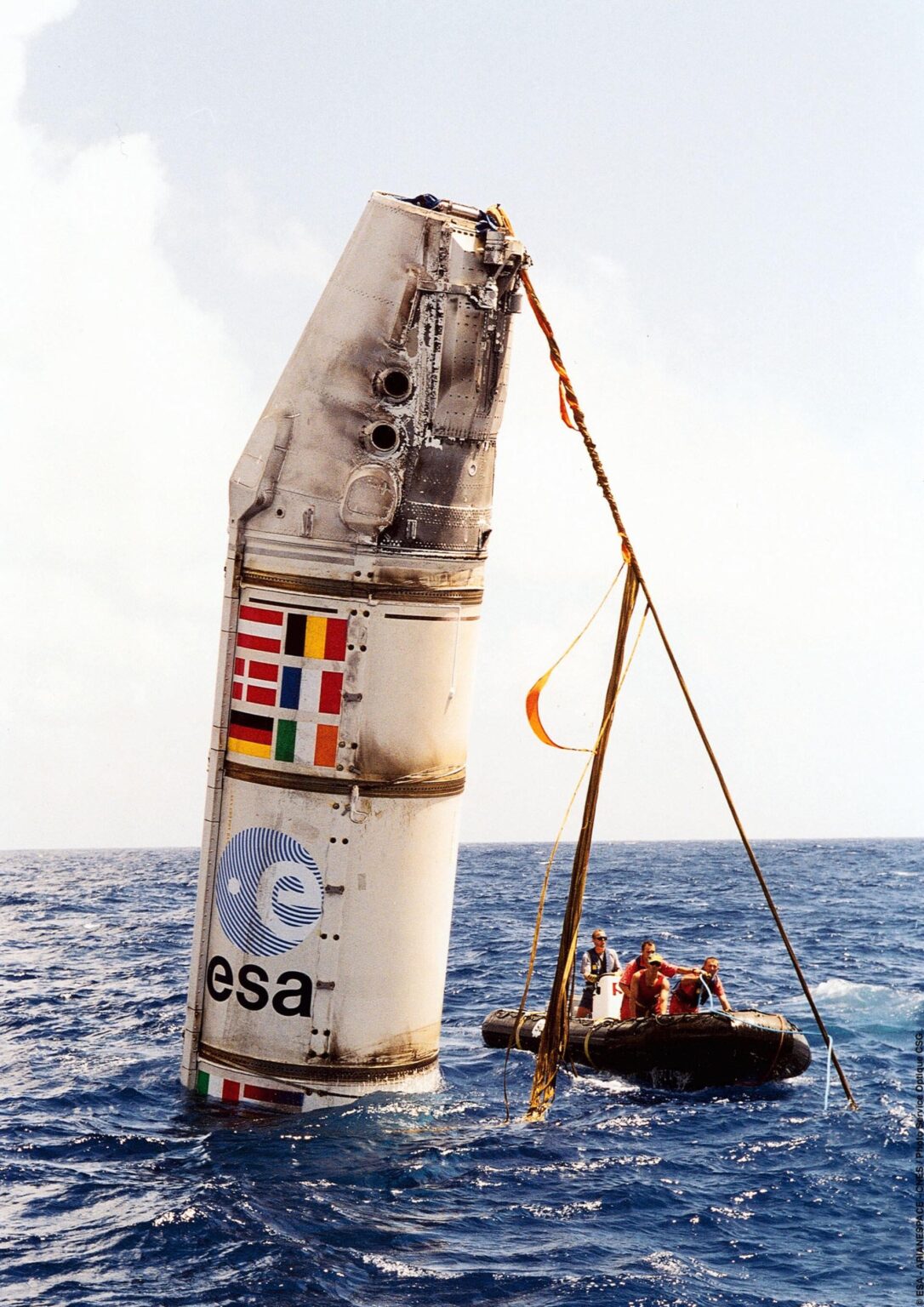
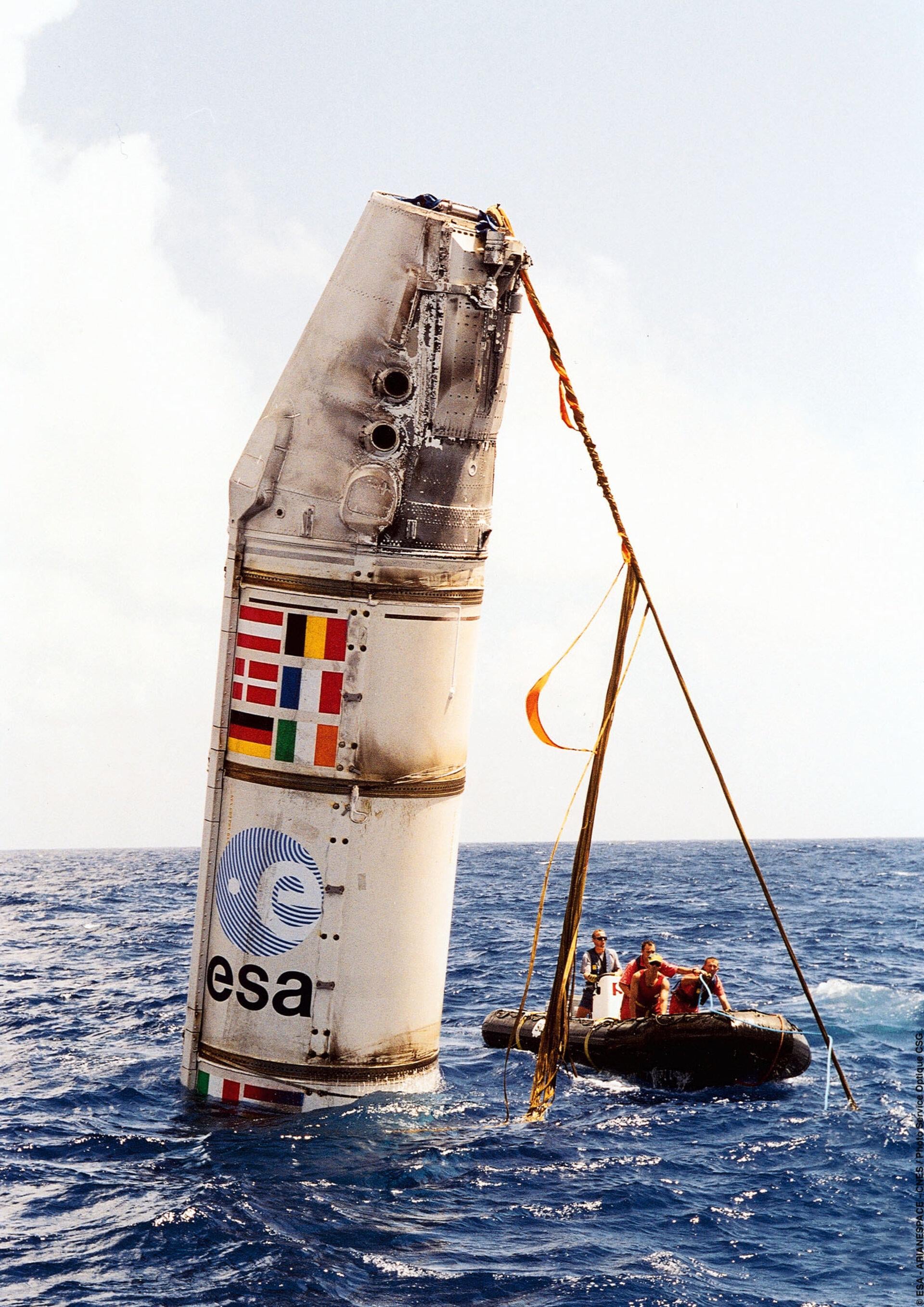
Instead of posting only an image, how about posting information about the image? I had heard about this for the Ariane 5, but in the context of studying the effects of flight on the boosters.
The most recent Vulcan Centaur flight had its solid boosters recovered, in order to study them.
Not for reuse.
Ncyphe on
This does not surprise me. Even if they have no ambitions to invest in re-usable rockets, being able to study the spent boosters may still hold some scientific and engineering value.

5 Comments
Wow, I’m working in an Ariane 6 supplier factory and didn’t even know that, thanks ! Not sure if they actually pursued with the boosters recovery though.
Reusing of Solid Rocket Boosters (SRBs) is a problematic matter.
Because the most expensive part of it – fuel itself, while hull and auxiliary machinery are significantly less expensive.
With liquid fuel first stages/boosters reusability actually has economical sense. Because you are saving the most expensive part of the rocket. While most kinds of liquid fuel are significantly cheaper than practically useful solid fuel.
In a 2018 Der Spiegel interview, ArianeGroup’s CEO Alain Charmeau explained that with Europe’s low launch cadence, reusable boosters would mean they only build about one rocket a year. His worry was not that reusability would fail technically, but that the production line and workforce would have nothing to do. That quote shows up again in Ars Technica’s coverage and even in the Ariane 6 Wikipedia article.
So the issue was never just engineering. It was an industrial policy problem. SpaceX optimized for reuse and marginal cost. Ariane optimized for keeping the factory busy. If you want to understand why Europe fell behind on launch, that is the quiet part that accidentally got said out loud.
https://arstechnica.com/science/2018/05/ariane-chief-seems-frustrated-with-spacex-for-driving-down-launch-costs/
Instead of posting only an image, how about posting information about the image? I had heard about this for the Ariane 5, but in the context of studying the effects of flight on the boosters.
The most recent Vulcan Centaur flight had its solid boosters recovered, in order to study them.
Not for reuse.
This does not surprise me. Even if they have no ambitions to invest in re-usable rockets, being able to study the spent boosters may still hold some scientific and engineering value.