
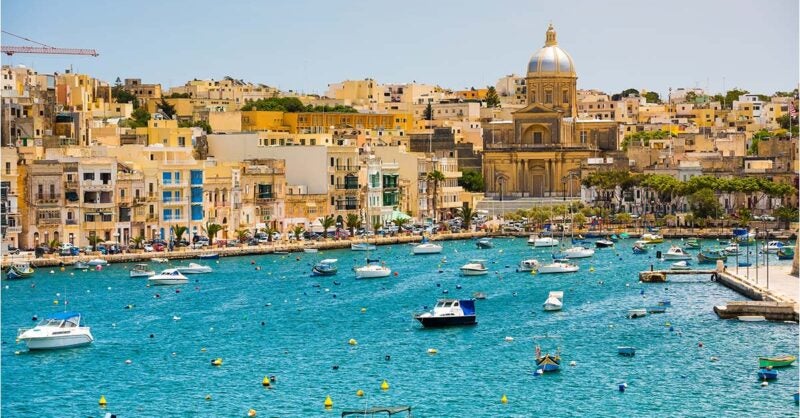
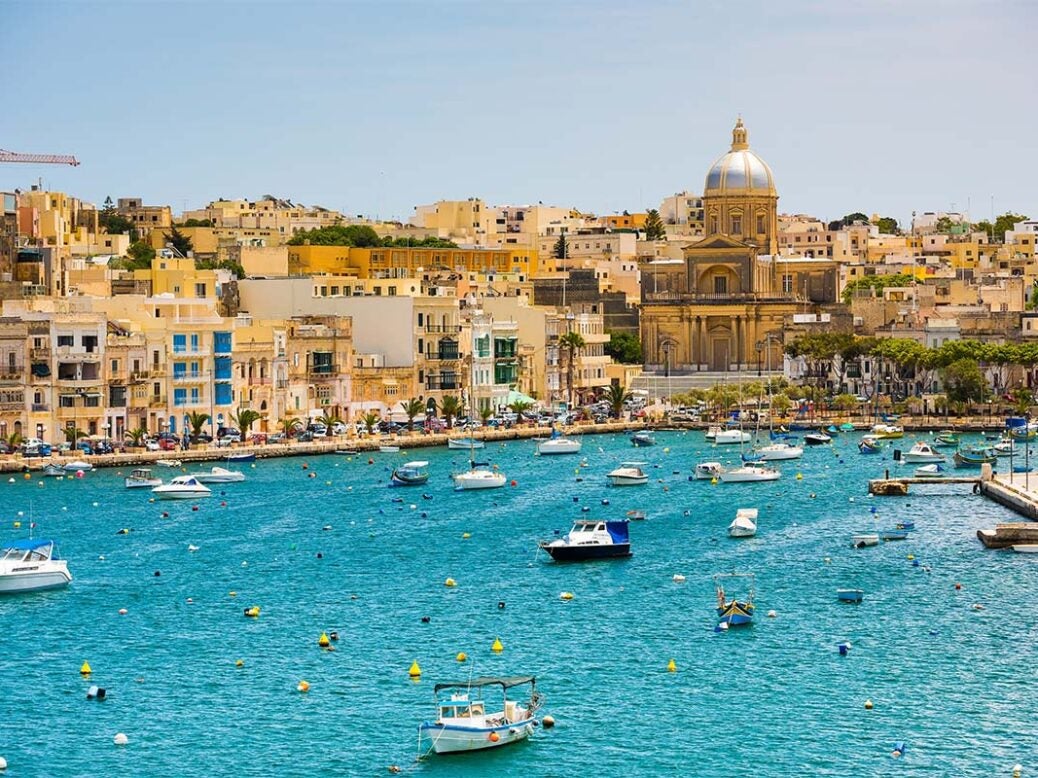
Malta is emerging as a new wealth hub for British and American UHNWs // Image: Shutterstock
A leading figure in Malta’s financial industry has refuted claims the country is host to sanctioned Russian money.
‘Our population is around 500,000 people. We don’t have the capacity to be loaded with sanctioned Russians,’ said Kenneth Farrugia, the CEO of Malta’s only financial services regulator, the Malta Financial Services Authority (MFSA).
‘There is this wrong impression that Malta is the wild west of Europe. We have a register of all the accountants, real estate agents and beneficiary owners of companies in Malta,’ he added. ‘It’s a completely different situation from what is being portrayed out there.’
It was revealed that some Russians used a citizenship scheme in Malta to gain access to the EU, allowing them to freely travel and keep money in Europe, according to a report from the Financial Times in April 2025.
[See also: EU institution compared to ‘Taliban’ at golden passport conference]
Dubbed the ‘Golden Passport’ scheme, Malta’s citizenship investment programme previously allowed investors to acquire Maltese citizenship in exchange for a one-off payment of €600,000 and purchasing or renting a property. The scheme was banned by the European Court of Justice in April 2025, with the court ruling that the scheme ‘amounts to rendering the acquisition of nationality a mere commercial transaction’. However, a similar scheme exists today, where wealthy individuals can invest a sum of money to gain permanent residence in Malta.
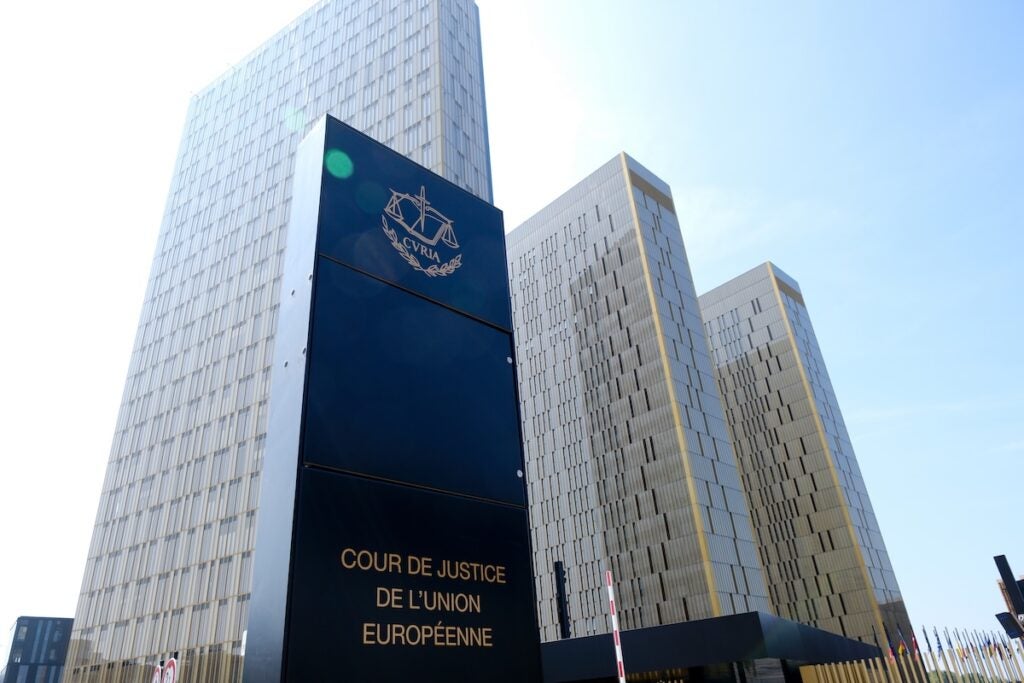 The European Court of Justice’s judgement on Maltese citizenship set a precedent for other EU countries // Image: Shutterstock
‘You can’t have a totally risk-free environment, because you would then be out of business. We check individuals, their companies and everything else entering the country,’ said Farrugia. ‘Someone will always burst through the net, because if you tie the net too tight, you have no business coming in. But I can assure you that our net is quite tight.’
‘We welcome legitimate people with legitimate wealth,’ he added.


Malta has been openly marketing itself as a centre for wealth management for many years. The country introduced a scheme which allows professionals in the financial services, aviation and gaming industries to move to Malta and pay a reduced amount of tax in 2011. Dubbed the Highly Qualified Persons Rules, a family office professional moving to Malta must earn at least €100,061 in 2025 to qualify for the 15 per cent flat rate employment tax, as opposed to the standard rate of up to 35 per cent.
[See also: The best relocation and shipping specialists]
Malta’s work to increase the capacity of its financial services industry has recently been a priority for the country, noted Joseph Zammit Tabona, the chairman of Malta Business Network, a non-profit organisation which connects businesses and professionals to the island nation.
‘Family offices are high up on the list of Malta’s priorities,’ he said.
Zammit Tabona added: ‘Financial services represent around 10 per cent of our GDP and I am confident that will increase by five to ten per cent within the next 10 years.’
Malta’s GDP has grown significantly over the past ten years, being over double as large in 2025 as it was in 2015. The country’s GDP was $11.34 billion in 2015 and is $27.75 billion today, which is a 145 per cent increase, according to data from the International Monetary Fund.
[See also: What are the legal risks of international relocation?]
Zammit Tabona, who was the High Commissioner of Malta to the UK from 2009 to 2013, emphasised that Malta is aware of its small scale compared to other countries but is continuing to develop its financial industry.
‘We’re not out to compete with Luxembourg and Ireland, because our financial industry is much smaller than theirs. It isn’t our intention and it never was,’ he said.
Tabona also noted the fairly consistent economic outlook of the Maltese government, even as leadership has changed between parties.
He said: ‘Last week at the Finance Malta annual conference, the minister in government gave his support for the government’s financial services efforts and then the shadow minister gave his speech and categorically supported them too.’
From a legal standpoint, Malta’s financial services are attractive to international HNWIs too, noted André Zerafa, co-head of investment services at a leading Maltese commercial law firm.
‘Something international people might find quite attractive is that the law in Malta is written in both English and Maltese, making it easy to understand.’
Malta has a long history with the UK, with Britain having ruled over Malta from 1814 to 1964. Many pensioners call the island home, both due to its preferable tax rates compared to the UK as well as its warmer climate.
‘I think Malta’s main attraction, what you might call our USP, is the stability of our tax legislation,’ added Zerafa. ‘Some other countries have encouraged wealthy families to move their wealth within their jurisdictions and as soon as they have a good pipeline of people coming in, their government will change and suddenly change their strategy towards non-doms, clamping down on them. When it comes to UHNWIs in Malta, there have never been these kinds of tax increases.’
[See also: Even rejected, Swiss wealth tax debate offers lessons for UHNW clients]