
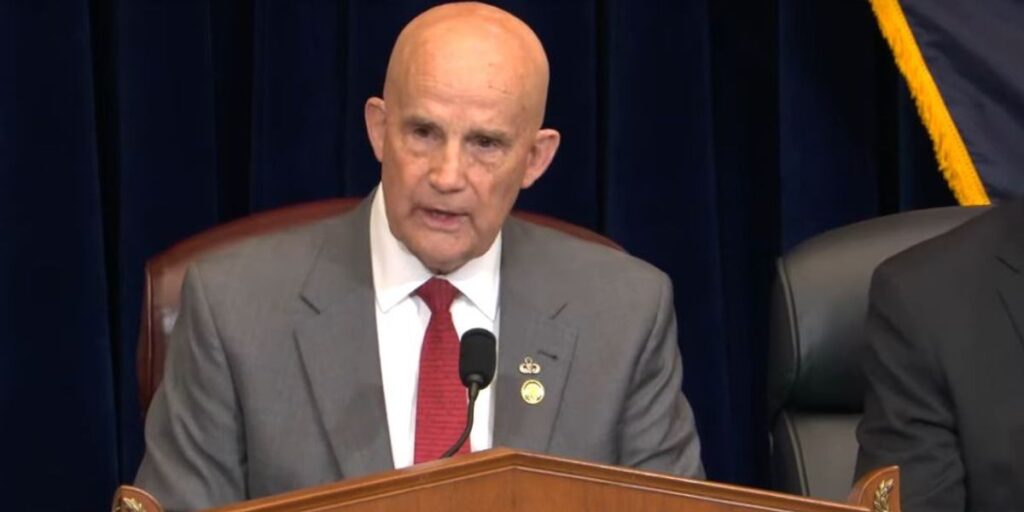
The Republican Chairman of the House of Representatives Subcommittee on Europe, Keith Self, has assessed that the Western Balkans is the most unstable region in Europe after Russia’s invasion of Ukraine, emphasizing that the lack of normalization between Kosovo and Serbia increases regional tensions.
“Although open conflict has subsided since the breakup of Yugoslavia in the 1990s, ethnic divisions, border changes, and political mistrust continue to affect the region. Serbia’s unresolved relationship with Kosovo is one of the main drivers of instability, creating a strategic line that Russia can exploit to undermine the ability of the EU and NATO to empower Balkan countries,” Self said.
He added that the 2023 Ohrid Agreement, which aimed to reduce tensions and revive past agreements, has stalled due to the electoral crisis in Kosovo and the failure to form a government after the February 25 elections.
Self expressed hope that after the December 28 elections, if a new government is formed, Serbia will recognize Kosovo’s sovereignty.
Self also raised concerns about Kosovo’s fear of establishing the Association of Serb-Majority Municipalities and violations of the rights of Albanians in the Presevo Valley.
He pointed to the deactivation of addresses as an attempt to undermine the Albanian community, while America’s adversaries are exploiting these weaknesses to increase instability in the region.
In addition to Russian influence, Self also warned of the growing risk of Chinese influence in the region, through military exercises, arms shipments, and the signing of economic agreements that exploit local corruption.
He described the Western Balkans as “often neglected,” but stressed that opportunities still exist for improving stability, peace, and prosperity, underlining the importance of the role of American leadership. /Telegraph/