
Luxembourg’s former economy minister wants to introduce a law that would allow the country to dissolve certain holding companies based in the Grand Duchy if their foreign subsidiaries are linked to criminal behaviour abroad.
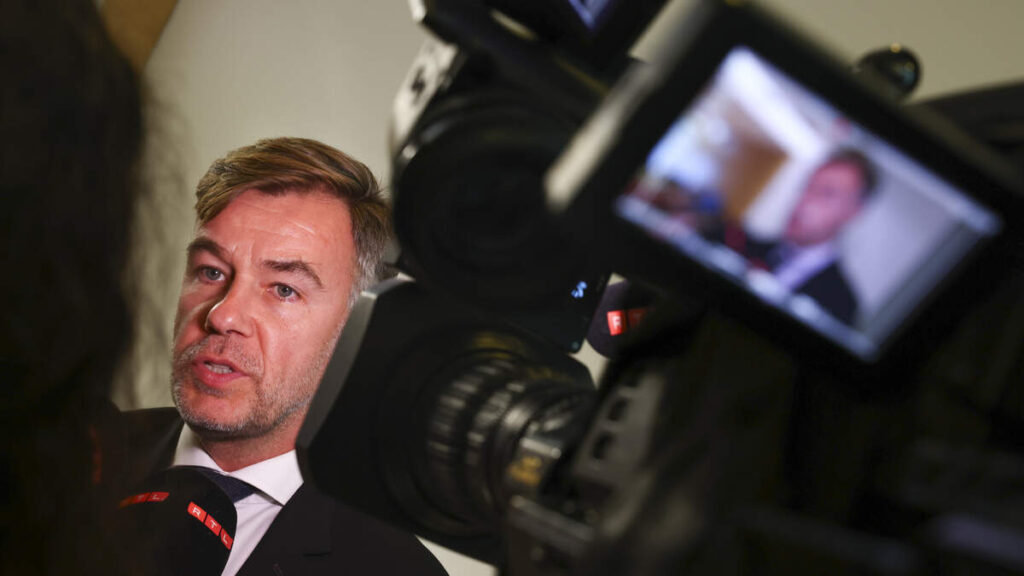
LSAP deputy Franz Fayot presented a bill on Tuesday which, if passed, would help Luxembourg get rid of holding companies, or Soparfis, domiciled in the country that are deemed “toxic” to the Grand Duchy’s reputation.
The proposed legislation cites cases such as that of the Luxembourg-based owner of Pornhub – which in 2023 changed its name from Mindgeek to Aylo – and the NSO Group, which produces the Pegasus spyware, and which have sparked controversy for their activities outside the country.
“Each of these cases also represents significant reputational damage for the country,” Fayot said.
The proposal would empower Luxembourg to liquidate a Luxembourg-based parent company if its foreign subsidiary is involved in criminal activity.
The legislation stipulates that the OECD’s National Contact Point within the Ministry of the Economy would first intervene, summoning and questioning the company’s executives. If this does not yield satisfactory results, the way could be cleared for a court-ordered liquidation of the Luxembourg structure.
Earlier this year, human rights activists, NGOs and politicians in Luxembourg hit out at the European Commission’s plans to postpone the application of the EU’s due diligence directive – aimed at strengthening human rights and holding large companies to account if they profit from violations such as child or forced labour – and renegotiate details of the text.
Luxembourg has long been criticised for allowing shell companies to set up in the Grand Duchy in order to channel profits to tax havens. The European Commission said last year that Luxembourg is still facilitating companies seeking to avoid taxes through government policies.
The State Council must now issue its opinion on Fayot’s legislative proposal before it is discussed in Parliament.
(This article was originally published by the Luxemburger Wort. Machine translated using AI, with editing and adaptation by Kate Oglesby)