
Published on
December 5, 2025
By: Rana Pratap

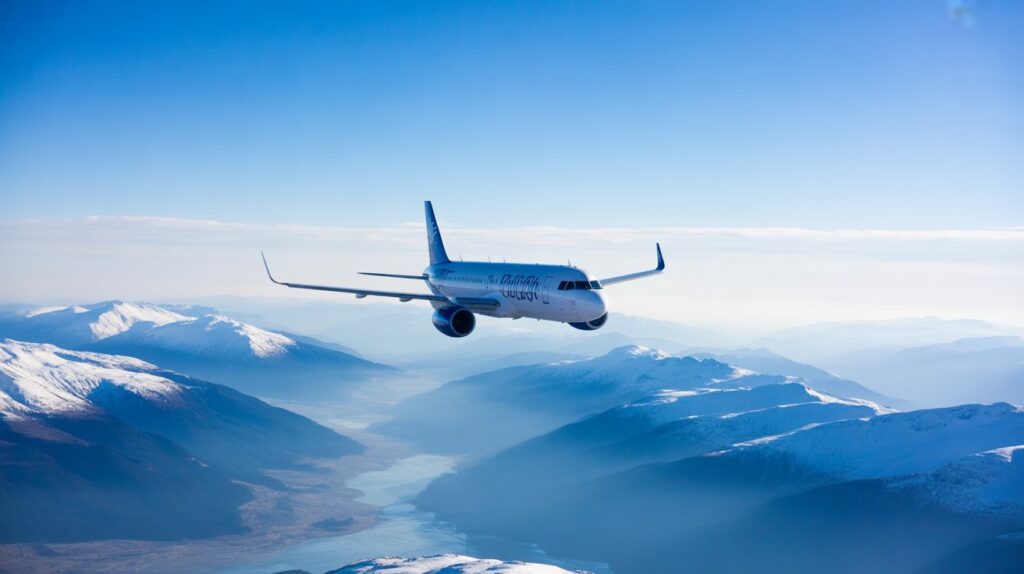
Iceland, Oman, Bahrain, the Maldives, Andorra, Cyprus, and several other nations are driving tourism through air and road travel networks because their unique and challenging landscapes—such as rugged mountains, scattered islands, and vast deserts—make the construction of rail systems unfeasible. With limited or no rail infrastructure, these countries have adapted by developing efficient air and road networks that provide seamless connectivity for both domestic and international travelers, ensuring that tourism continues to flourish despite the geographical challenges. Due to their unique and often challenging landscapes—ranging from rugged mountains and deserts to archipelagos and volcanic terrain—these countries have made air and road transport the backbone of their tourism infrastructure. In Iceland, the vast expanse of glaciers and volcanoes makes rail construction impractical, while in the Maldives, the scattered islands make railway systems impossible. Similarly, countries like Oman and Bahrain, with vast deserts and small sizes, have turned to efficient road networks and air travel to ensure seamless connections for tourists. These nations prove that even without rail systems, tourism can thrive when alternative transport solutions, tailored to their unique geographies, are strategically developed. Their ability to adapt and innovate highlights how effective transportation, even without rail, can remain a powerful tool for tourism growth and connectivity.
Despite lacking traditional rail systems, these nations have focused on building robust air and road infrastructures that cater to their specific needs, helping them remain connected to the global tourism network. This ability to adapt and thrive in challenging geographies highlights the power of alternative transport solutions, proving that efficient tourism and trade connectivity are possible without railways.
Economic Impact of Tourism Through Air and Road Networks
While railways have become integral to the infrastructure of many countries, air and road networks are playing a growing role in nations that do not have rail systems. These transport solutions not only meet the needs of tourists but also drive significant economic benefits, including job creation, local investments, and increased regional tourism. Countries that lack rail infrastructure have been able to boost their tourism sectors through strategic investments in alternative transport networks, which facilitate easy access to key destinations.
For instance, the Maldives has seen a surge in tourist arrivals, with its inter-island transport network becoming a key part of its attraction. The Maldives’ success story shows how alternative transport solutions—seaplanes, ferries, and speedboats—have transformed the archipelago into a global hotspot for luxury tourism and ecotourism.
Andorra: Mountainous Terrain and Road Travel’s Success
Andorra’s position between France and Spain in the Pyrenees Mountains means rail infrastructure is financially unfeasible. But that hasn’t stopped the small principality from thriving. The lack of rail systems has encouraged the development of highly efficient bus networks, connecting Andorra to neighboring countries. This has ensured a steady flow of visitors to the country, particularly during the ski season, when Andorra becomes a top destination for winter sports enthusiasts.
The country’s tourism infrastructure, focused on air and road travel, plays a pivotal role in attracting millions of visitors each year. These efforts have driven local economic growth, with Andorra’s retail, hospitality, and tourism industries benefiting directly from the influx of road-traveling tourists. Road travel to Andorra’s famous ski resorts, spa towns, and shopping centers has contributed significantly to the nation’s tourism boom, solidifying it as a key European destination.
Bhutan: Scenic Road Networks Across Rugged Landscapes
Bhutan’s mountainous terrain presents one of the most significant challenges to railway construction. High-altitude regions, deep valleys, and steep cliffs make rail travel a distant dream. Instead, Bhutan has turned its rugged geography into an advantage by developing a scenic and reliable road network. The country’s tourism thrives on these roadways, offering travelers breathtaking views of the Himalayas.
The country’s reliance on road travel has made Bhutan a popular destination for travelers seeking not only spiritual enrichment but also natural beauty. The well-maintained roads allow visitors to explore remote monasteries, trek through alpine forests, and enjoy the serenity of Bhutan’s natural parks. Bhutan’s road network has become a crucial part of its tourism industry, helping travelers discover the country’s rich culture and pristine landscapes.
Cyprus: A History of Rail and the Rise of Road Networks
Cyprus once boasted a functioning railway network, but the system ceased operations in 1951 due to financial and economic constraints. Today, Cyprus relies entirely on its road infrastructure to maintain connectivity, and its bus network serves as the backbone of local transportation.
Cyprus’ tourism sector continues to thrive, with visitors flocking to explore the country’s ancient history, Mediterranean beaches, and vibrant culture. The road networks allow tourists to easily access key sites such as the ancient ruins of Kourion, the beaches of Ayia Napa, and the charming villages of the Troodos Mountains. The focus on improving road travel has allowed Cyprus to cater to both tourists looking for cultural experiences and those seeking beach holidays, making it a well-rounded destination.
Iceland: Air Travel and the Ring Road
Iceland, renowned for its geothermal landscapes, glaciers, and volcanoes, faces significant challenges in developing a rail system. The country’s small population and vast, rugged terrain make railway construction impractical. Instead, Iceland has capitalized on its air and road networks. The iconic Ring Road, which encircles the country, connects major towns and provides tourists with easy access to the island’s natural wonders.
Iceland’s tourism is heavily driven by its road and air networks, with visitors exploring geysers, waterfalls, glaciers, and volcanoes. Domestic flights within Iceland offer fast and convenient travel, allowing visitors to explore remote locations and the country’s vast landscapes. Iceland’s tourism industry continues to benefit from its unique air and road connectivity, drawing visitors year-round for adventures such as hiking, glacier tours, and volcanic exploration.
Maldives: Island Hopping Without Railways
The Maldives’ archipelago, made up of over 1,000 islands, has no landmass large enough for a railway system. Instead, the country has developed an efficient network of boats, ferries, and seaplanes to facilitate movement between islands. This innovative solution has proven ideal for the country’s tourism industry, as it enables tourists to visit remote island resorts and enjoy the crystal-clear waters and sandy beaches that the Maldives is famous for.
Inter-island transport allows for seamless travel across the Maldives, ensuring that tourism remains at the forefront of the country’s economy despite the lack of rail infrastructure. The Maldives’ combination of seaplane transfers, luxury resorts, and natural beauty continues to attract high-end travelers, positioning it as one of the top destinations for honeymooners and beach lovers.
Bahrain: Small But Efficient Road Network
Bahrain, with its small size, has managed to meet its transportation needs through an extensive and well-developed road network. The development of a railway system has not been deemed necessary due to the country’s compact size and the efficiency of its roads. Bahrain’s international infrastructure, including the King Fahd Causeway linking it to Saudi Arabia, further strengthens its position in regional trade and tourism.
By focusing on air and road travel, Bahrain remains well-connected to regional and international markets, ensuring that tourism continues to thrive in the country. The country’s airport, along with its road infrastructure, facilitates easy access for both business and leisure travelers, making it a key destination for regional tourism, especially for those visiting for cultural events and business conferences.
Oman: Expansive Roadways and Logistics Hubs
Oman’s diverse geography, featuring vast deserts and rugged mountain ranges, has made it difficult to establish rail infrastructure. The country’s population is dispersed across coastal cities and remote settlements, making rail travel less practical. In response, Oman has invested heavily in its road network, which connects key cities like Muscat, Salalah, and Nizwa.
Oman’s transport infrastructure is further bolstered by its growing ports and logistics hubs, which facilitate trade and tourism. Oman’s modern roads provide tourists with access to its rich cultural heritage, making it an attractive destination for travelers seeking both adventure and relaxation. Oman’s tourism industry is growing, with travelers visiting for desert safaris, historical sites, and scenic mountain retreats.
Yemen: A Focus on Restoring Road Networks
Yemen has faced significant political instability, which has hindered the development of modern infrastructure. The ongoing conflict has damaged the country’s roads and transport networks, making rail systems an afterthought. However, the focus is on rebuilding and restoring the essential road infrastructure, which remains vital for domestic mobility and international connectivity.
Despite these challenges, Yemen’s tourism industry continues to rely on road networks to facilitate access to its ancient cities, including Sana’a and Shibam, attracting a small but steady stream of tourists interested in Yemen’s rich history and culture. Restoring Yemen’s road networks will help revive the tourism sector and connect tourists to its UNESCO World Heritage sites.
The Future of Transportation in These Countries
While many of these nations are currently reliant on air and road networks, there is potential for the future development of rail infrastructure in certain areas. However, given the challenges these countries face due to geography and economics, it seems likely that air and road travel will continue to play a central role in driving tourism and connecting these nations to the global economy.
Conclusion
Though these countries lack traditional rail systems, their ability to adapt to their unique geographies by developing air and road networks has proven that efficient transportation does not always rely on trains. By investing in infrastructure suited to their landscapes, countries like Iceland, Bhutan, the Maldives, and others have maintained their position on the global tourism map. Their success in overcoming geographical constraints serves as a model for other nations facing similar challenges.
