
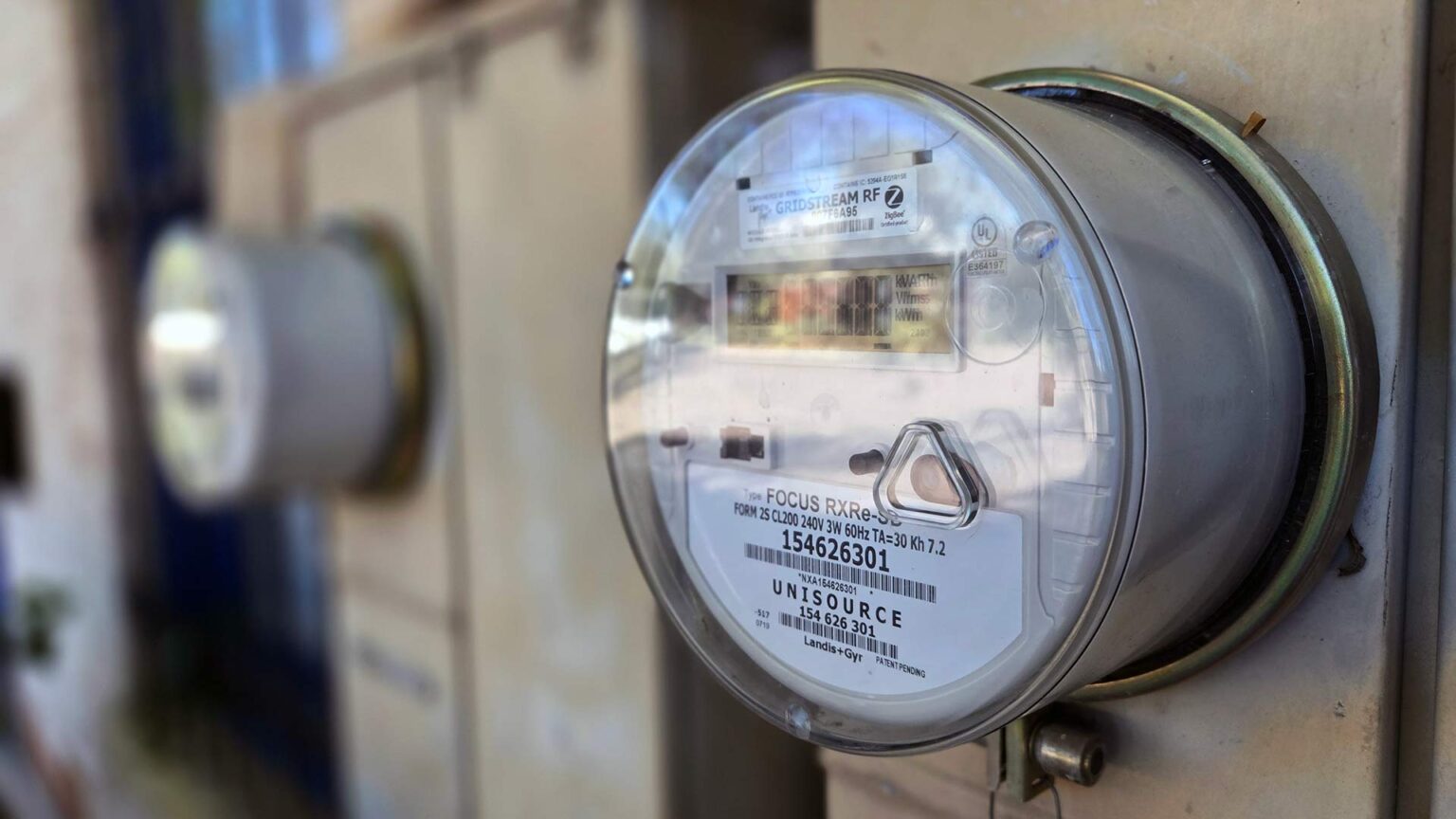
The Trump Administration has released money for heating and cooling assistance to states and tribes.
About $31 million in delayed funds will go to Arizona, for the Low Income Home Energy Assistance Program known as LIHEAP.
The program helps low-income households that pay a majority of their income on cooling or heating bills and has been a target of the Trump Administration according to the National Energy Assistance Directors Association, after its entire staff at the Department of Health and Human Services was fired in April.
“The funding right now is uncertain,” says Dan Sullivan, director of Pima County’s Community and Workforce Development department.
“DES (Arizona Department of Economic Security), who is the agency that administers the funds, is giving us funding only in quarters, so we know that we’re going to be funded throughout the whole year, but we don’t know when we’re going to receive the next tranche or batch of funding,” Sullivan said.
Pima County has received $126,909.84 for LIHEAP services from DES. County officials noted that there have been no additional awards for LIHEAP this year but are anticipating an alert that will disclose funding through January 2026 and an estimate of funding for February 1, 2026 through June.
As of today, the county has received 27,393 applications, approving 15,595 of them, distributing about $16.15 million of assistance.
Sullivan said that in September, the Pima County Board of Supervisors voted to set aside $2 million of rent and utility assistance funding that was approved by the Regional Affordable Housing Commission to fill that gap.
“We’ve already allocated more than $800,000 of the program,” he said of the rent and utility assistance. “Just in that short period of time we’ve seen a lot of need and have been able to respond to it.”
Pima County officials say that federal funding was not delayed until it became clear that budget negotiations were delayed in Washington over the summer.
“We don’t have any LIHEAP funding currently available, so we’re directing folks to our local program,” Sullivan said.
County officials say that the local program is the $2 million in local funding and can be accessed by calling the Community Action Agency to schedule an intake appointment.
The LIHEAP program is for low-income households that need assistance with payments for energy-related utilities, who meet legal status requirements according to DES.
The program also offers crisis and standard benefits and is served on a first-come, first-served basis.
Individuals may be eligible to receive between $160 and $640 through a standard grant or between $5.01 to $500 for a crisis award after exhausting regular benefits.
Sullivan says that there has been a consistent need for rent and utility assistance and has seen individuals with larger arrearages, or outstanding bills.
In 2024, Arizona served 37,554 households– nearly 10,000 more than in 2023, which was 27,788, according to federal data.
“Cooling assistance is the majority of the funding that we send out,” Sullivan said.
In 2024, cooling assistance served 24,978 households with an average of $945 in benefits compared to 2023, with 20,523 households served, with an average of $1,088 in benefits in Arizona according to federal data.
Pima County officials report that in October, there was an uptick in calls from an average of 5,000 calls per month to about 9,000. The county reports receiving about 5,000 on their hotline in November.
“I would say anecdotally, prices for everything are going up, so people have to make the unfortunate choice of, ‘Do I pay for food or do I pay my electric bill?’,” Sullivan said.
Individuals who are interested in applying for assistance are eligible to apply once a year.
“We administer multiple funding sources and have continued to schedule appointments without stopping,” said Andrew Flagg, deputy director of the Community and Workforce Development department. “Specific to LIHEAP, the [DES] administers the assistance dollars and they have not stopped accepting applications even during the shutdown.”