
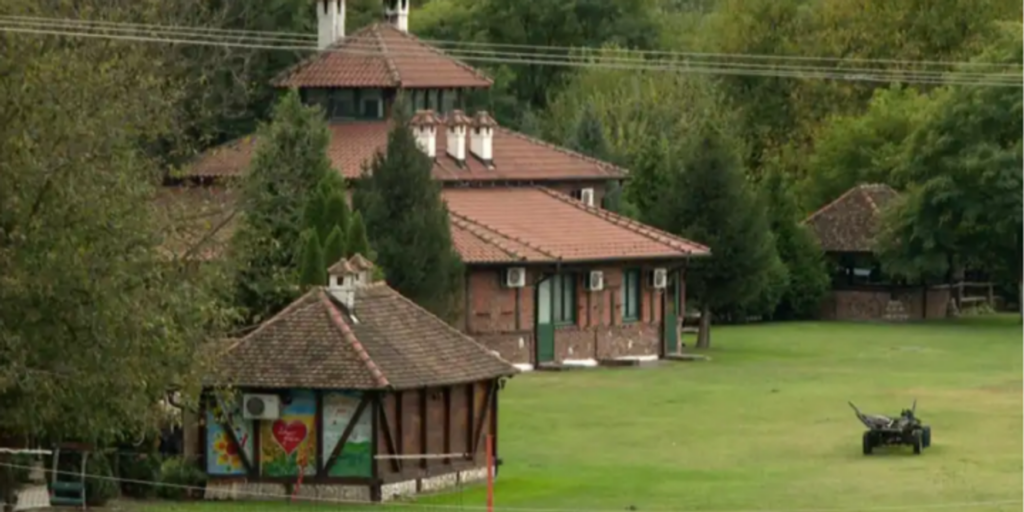
Moldovan police said they had carried out around 50 raids in multiple locations in the country, where they found evidence that an organised group – previously trained at a camp in Serbia – was planning to cause unrest in Moldova.
“The organized group allegedly acted with the intention of carrying out illegal activities on a large scale and in exchange for financial gain,” Moldovan police said in a statement.
The statement said the group had previously trained at a camp in Banja Kovilaca, in western Serbia, and that the aim was “to create social tension, followed by the launch of violent protests with the aim of affecting public order and the safety of Moldovan citizens.”
On September 26, police in Serbia arrested two people accused of organizing tactical-combat training for citizens of Moldova and Romania, which was intended to cause unrest in Moldova.
The arrests came after authorities in Chisinau publicly warned about the existence of combat camps in Serbia, claiming that they were organized by the Russian secret service with the aim of destabilizing Moldova during the country’s recent elections.
Moscow has rejected these accusations.
Police in Serbia announced that the training took place from July 16 to September 12 at a food facility near Loznica in western Serbia and that between 150 and 170 citizens of Moldova and Romania participated in it.
Serbian President Aleksandar Vucic said in October that he could not claim that Russian intelligence was behind the camp, but that police had detained people of Serbian nationality “who were available”.
The Moldovan police added that during the search, among other things, they seized bank cards, some of which were issued by financial institutions from Russia, over 20 biometric passports with stamps for crossing the border with Serbia, radio stations, binoculars, bullets of various calibers for lethal and non-lethal weapons.
The Ministry of Internal Affairs and the Ministry of Foreign Affairs in Serbia did not immediately respond to Radio Free Europe’s request for more information regarding this case. /REL/