
Maltese households and investors declared at least €660 million in rental income from long-term residential leases in 2024, according to figures tabled in parliament.
Finance Minister Clyde Caruana said taxpayers paid €99 million in tax on long-lets last year. Under Malta’s flat 15% withholding regime, that implies €660 million in declared rental income – almost €100 million more than in 2023.
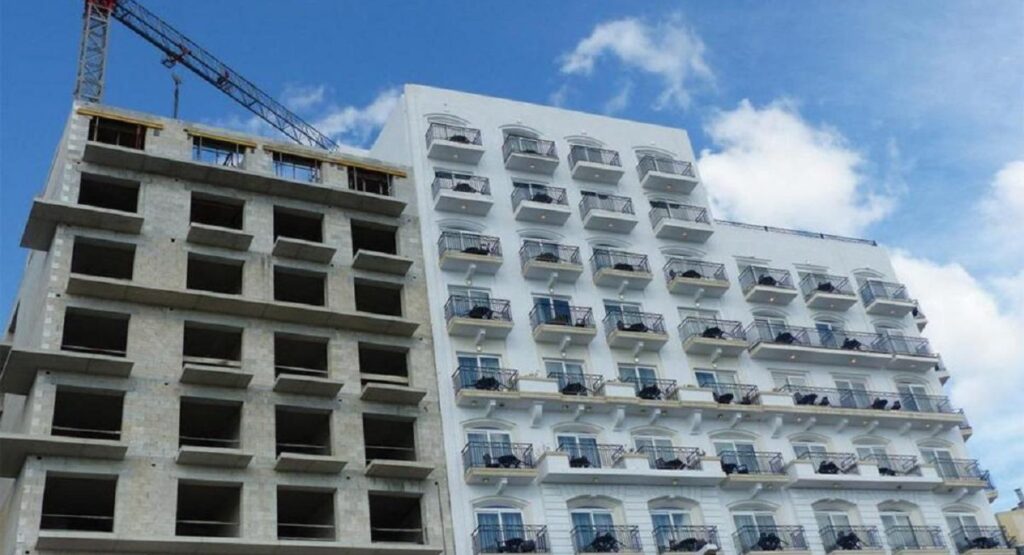
The steep rise in rental earnings offers a further explanation for the island’s frenzied development, with buy-to-let apartments remaining a favoured investment among families and businesses. But sources concede the data captures only part of the market.
Tax authorities believe under-reporting is widespread, with minimal enforcement and a large share of landlords still declaring rental income through their overall tax computation rather than the dedicated withholding tax regime. Industry operators estimate total earnings to be significantly higher than declared.
Short-let properties, driven largely by online platforms such as Airbnb, have also become a lucrative segment in recent years.
The finance minister said the state collected €12 million in tax on short-let income in 2024, implying total declared revenues of €79 million for property owners.
Yet official figures suggest extensive gaps in reporting.
The Malta Tourism Authority (MTA) lists just 5,771 registered short-let units nationwide in 2024, implying average declared revenues of roughly €14,000 per unit – a level real-estate analysts say is unrepresentative of prevailing market rates. Many operators are believed to run unregistered properties or under-declare their earnings.
While the long-let market caters predominantly to the tens of thousands of foreign workers brought in to sustain Malta’s cheap labour-hungry economy, local demand is also rising.
Young Maltese are increasingly priced out of home ownership and turning to rentals despite stable incomes.
The surge in rental wealth reflects a decade of rapid economic expansion, which has brought new strains alongside strong growth.
Malta now faces acute affordability pressures in the housing market, a spike in property speculation and emerging concerns over homelessness – issues once rare or even unspoken of on the island.