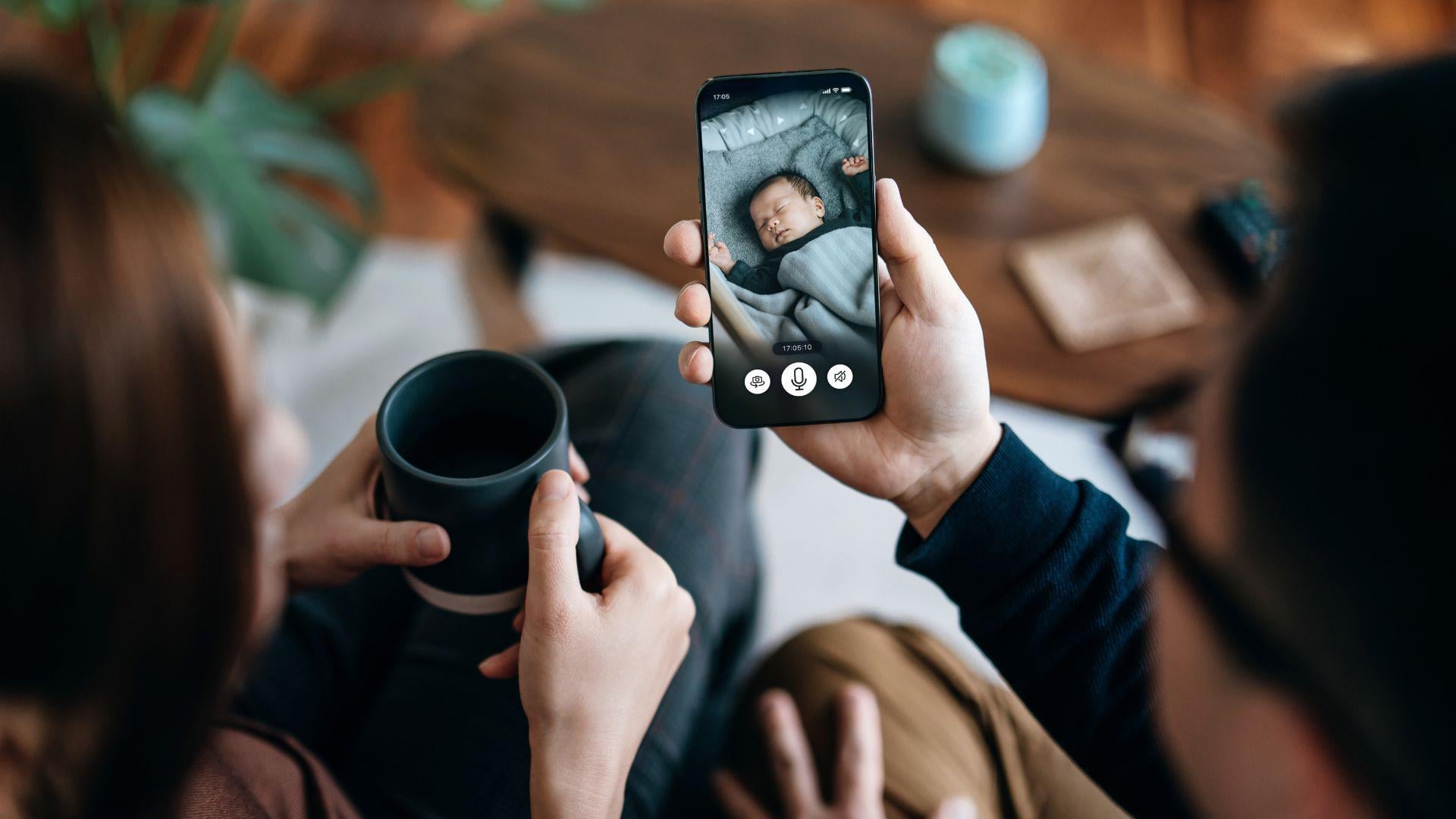
AI wants to help raise your baby. Scientists aren’t fully convinced
https://interestingengineering.com/ai-robotics/ai-baby-monitor-parenting

AI wants to help raise your baby. Scientists aren’t fully convinced
https://interestingengineering.com/ai-robotics/ai-baby-monitor-parenting
5 Comments
About 250 babies are born every minute worldwide. Many of these newborns go home with first-time parents, such as the more than 75,000 women in the Netherlands who became mothers for the first time in 2023, according to Statistics Netherlands.
Once home, parents face the familiar challenges, including sleep schedules, feeding, and keeping a small, unpredictable human safe. It’s no surprise they turn to technology. Baby gear now spans heaters, sterilizers, monitors, heart-rate trackers, and smart toys, often adding up to thousands of dollars. But choosing between them is difficult.
Relevant part of article, bottom of page :
> AI steps in
> Artificial intelligence is now entering baby care, offering new ways to monitor safety and development. But as Professor Sarah Ostadabbas of Northeastern University explains, many technologies overlook ease of use, affordability, and inclusivity.
> Her team developed ** AiWover, an AI-driven, non-contact monitoring platform designed to address these gaps. Unlike traditional devices, AiWover integrates with any camera to track movement, detect hazards, and monitor developmental milestones, whether at home or in daycare. **
> The goal: improving safety and enabling earlier interventions while supporting caregivers with diverse needs.
> According to Ostadabbas, AI should not replace human caregiving but enhance it—providing an additional layer of support when parents are present and when they are not.
The most important tool is free of charge
Ball notes that the baby-product market is lucrative, and many devices create a “perceived need” that disappears upon closer thought, especially since many products are used for only a few months. “I would caution against purchasing lots of technological devices that will clutter up your home and end up in a landfill a few months later. The key thing is to remember that all your baby wants and needs during the first year of life, is you,” Ball concluded.
> Technology will continue to shape parenting, from sleep tracking to safety monitoring. But even amid rapid innovation, one truth remains unchanged: devices may offer reassurance, but they cannot replace parental instinct, contact, and attention, and those remain the most reliable tools of all.
edit: i give up on bolding, mobile lol ٠ ㅤ
That thumbnail photo looks like a scary robot head.
I see this as less “AI wants to help raise your baby” as tech companies want you to use (and presumably pay for) more AI-supported tools and technology, and parents need more help in taking care of their children.
Maybe it’s semantics, but this feels to me like it’s giving a tool an opinion. You car doesn’t want to drive you to work as your car _cannot_ want. It is a thing.
I’m not wholly anti AI – it certainly has uses and can be a great tool, but companies trying to make something (for want of a better word) ubiquitous and seem ‘friendly’ always rubs me the wrong way.
It is already beyond disturbing how many parents prefer to look at their phones than their children.