
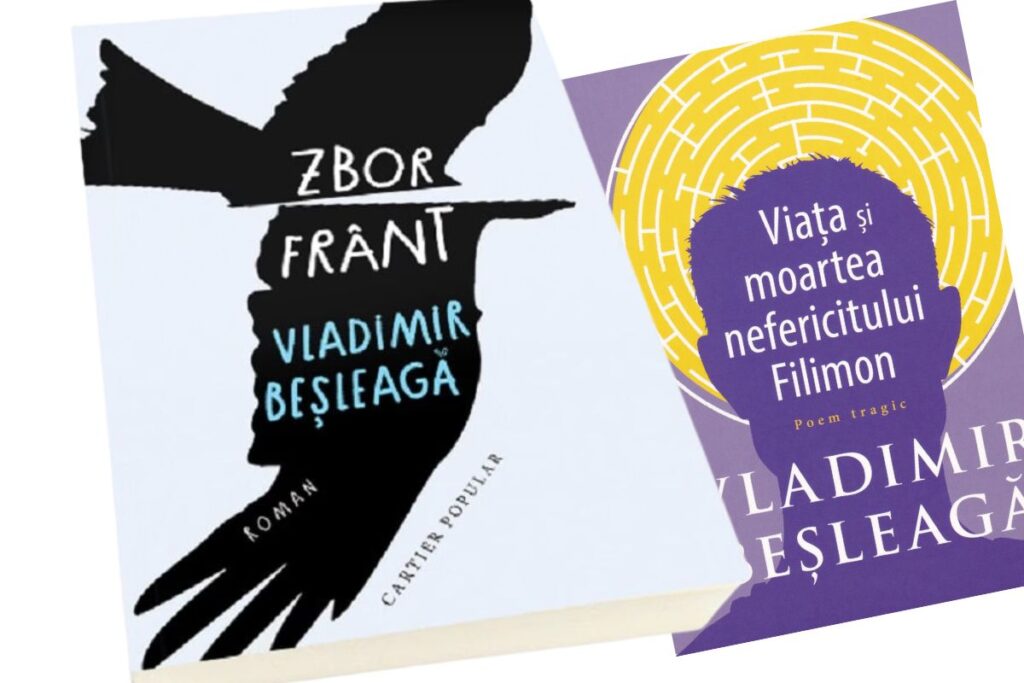
Contemporary Moldovan novels offer fresh perspectives on how linguistic, social and ethnic identities are formed in the shadow of the Soviet past. Written in tones that range from tragic to ironic, they recreate the atmosphere of Soviet Moldova with striking honesty, exposing the depth of the identity crisis it produced. Taken together, these works become acts of memory and recovery, reaching far beyond the boundaries of fiction.
December 8, 2025 –
Oxana Gherman
– 
Hot TopicsIssue 6 2025Magazine
The Soviet regime’s transformations in the Romanian lands between the Dniester and Prut rivers after the Second World War – including administrative and territorial reforms, social reorganization, changes in ethnic composition, denationalization, cultural isolation, economic centralization, collectivization, deportations, famine, persecution and restrictions – left an indelible mark on Moldovan society and its mentality. These Soviet policies that inscribed deep scars in collective memory also found their varied reflection in contemporary literature.
Three decades after the collapse of the Soviet Union, writers from the Republic of Moldova continue to return to this dark chapter of history, seeking to process both collective and individual trauma. The linguistic, moral and identity crises endured by a community living under the weight of totalitarianism are thus most vividly explored in contemporary prose. Often understood as an act of reconstructing identity, the literary return to childhood remains one of the most resonant and enduring creative strategies in Moldovan writing today.

This article is for members only
Join the New Eastern Europe community to unlock this article — plus enjoy full access to premium content, our digital archive, newsletter insights, and podcast updates.
Already a member? Sign in to read the full article.