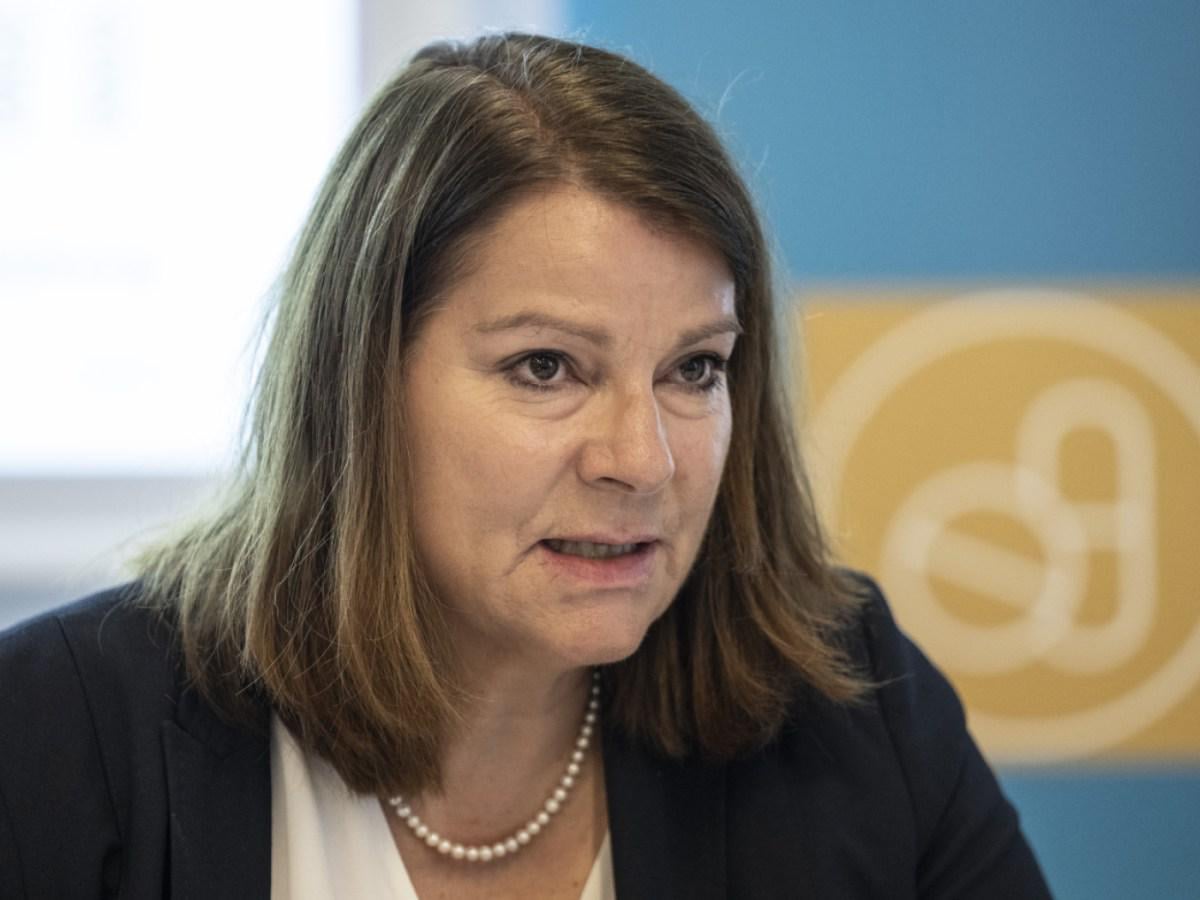
Swiss health insurance director advocates for telemedicine
https://www.swissinfo.ch/eng/health-systems/swiss-health-insurance-director-advocates-for-telemedicine/90600676
Posted by BezugssystemCH1903

Swiss health insurance director advocates for telemedicine
https://www.swissinfo.ch/eng/health-systems/swiss-health-insurance-director-advocates-for-telemedicine/90600676
Posted by BezugssystemCH1903
10 Comments
yeah thats a no-brainer. i find it funny that the telemedicine models are always the cheapest ones, when they are in reality the most convenient
And we must advocate for the extinction of this monstrously arranged health system in Switzerland
Interesting how she didn’t say anything about preventive medicine which is clearly lacking in Switzerland.
Neat… our healthcare finally arrives in the 21st century. Horray!
Yes, should definitely be standard in this day and age.
I have telemed but eventually go to the doctor offline. The only way how I use telemed currently is that I call and say what problem I have and ask if I can go to the specific clinic. They usually say “yes” and I make an appointment.
Maybe I am old fashioned, but up until the most recent generation of white coats I had a trust based relationship with my GP. Due to reoccurring meetings over a longer time and taking notes, the GP had context. It saved costs more often because they could challenge me, understood how my lifestyle and fate affected me on a health level.
Generally I understood my GP and my health consultants as a service, a consultant, not this transactional and incidental anonymous thing. Imho that was reserved for emergencies.
Of course I am willing to pay a certain extra amount for it and can see why the anonymous generalist approach is cheaper, especially in an globalist and urban setting. But I’m not convinced that we’re ending up in a more quiet yet costly outcome. As often its a small percentage of people that drive impact and they would not be stopped by this. It rather accelerates that more or too many health service become more centralized, which has more cons than pro’s – in my opinion.
The actual innovation would be more regulated contracts with doctors and clinics. More transparency. Its crazy how intransparent this still is, considering how imminent its impact to the population is.
I know some things are in the making, but they should be faster.
Of course if digitalization actually progresses and multiple doctors have convenient and privacy guaranteed access to my health data, so they can make a nuanced decision, then at least some aspects are a different story.
Useless. They can’t diagnose you or prescribe anything over the phone and end up sending you to a doctor anyway. Get rid of it to save money.
I have a model where I can either call Telmed or go to the pharmacy and then either of them can send me to a doctor. My GP is rather unreliable these days – the last two times I needed a sick note for work they just sent me to the permanence.
Hello sir, my name is Arun, Im in Pune, India. How can I help your health today?
No thanks.
I have a better idea. Lets NOT have over 20 insurance boses to pay salaries to. And over 20 boards of direktors, and managers…