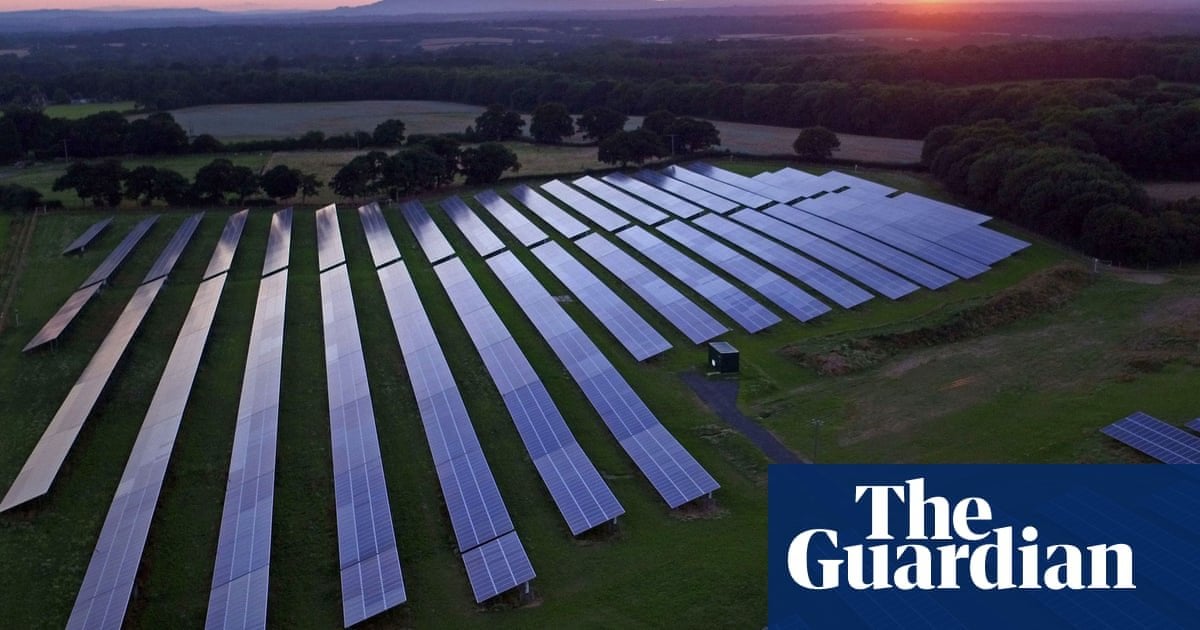
IEA still trying to keep 1.5 alive, urges tripling of renewable energy by 2030
https://www.theguardian.com/environment/article/2024/jun/04/world-will-miss-target-of-tripling-renewable-electricity-generation-by-2030-iea

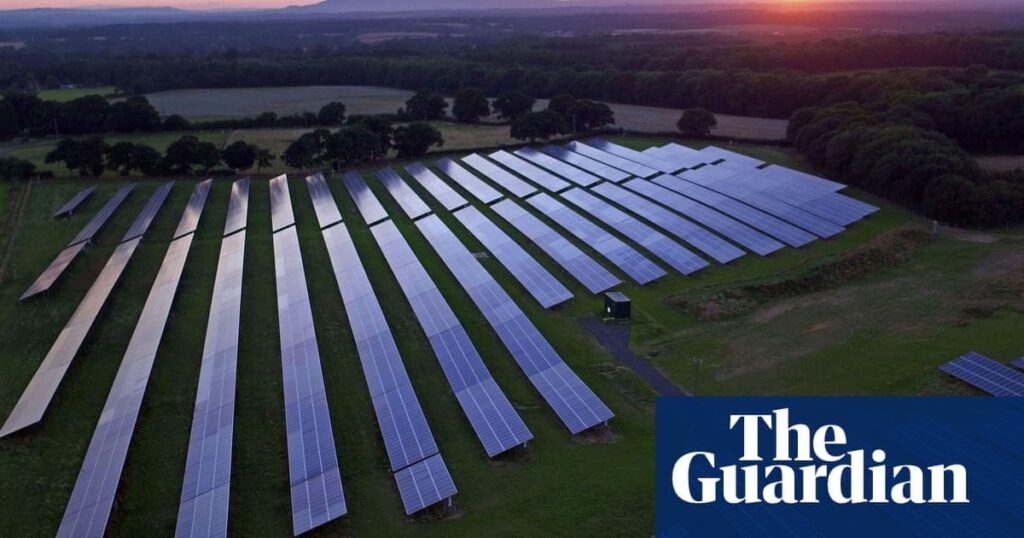
IEA still trying to keep 1.5 alive, urges tripling of renewable energy by 2030
https://www.theguardian.com/environment/article/2024/jun/04/world-will-miss-target-of-tripling-renewable-electricity-generation-by-2030-iea
1 Comment
Despite global setbacks, the International Energy Agency (IEA) remains optimistic about achieving the crucial goal of tripling renewable energy capacity by 2030, which is key to limiting global warming to 1.5 degrees Celsius. Recent data indicates promising trends, with renewable energy capacity on track to double by the end of the decade. This is largely driven by substantial increases in solar power, which accounts for about half of all planned capacity expansions.
[The IEA, renowned for its meticulous energy research, has historically underestimated the rapid growth of solar power,](https://changediscussion.com/wp-content/uploads/2023/06/IEA-forecast-PV-wrong.png) suggesting the potential for even greater progress than current forecasts predict. According to the IEA’s latest analysis, while the current commitments fall short, reaching about 70% of the necessary 11,000GW by 2030, there is substantial room for improvement if countries translate their renewable energy promises into concrete action.
Significantly, the renewable sector has seen unprecedented growth in the past year alone, with a 64% increase in new capacity from the previous year, reaching about 560GW. This growth spurt is led by solar and wind, which continue to be more cost-effective than fossil fuels, suggesting a sustainable path forward that could outpace current projections.
Moreover, countries like China are exceeding expectations, adding more renewable capacity last year than the rest of the world combined, showcasing the economic and environmental viability of renewables over coal. The IEA stresses the importance of upgrading electricity grids to accommodate this surge in renewable generation, which remains a bottleneck in many regions.
As global leaders convene to discuss progress and strategies, there is a renewed focus on enhancing climate finance mechanisms to support developing countries in their transition to greener energy sources. This approach not only aims to meet energy targets but also addresses broader economic and social challenges associated with climate change. The push for a tripling of renewable capacity not only remains within reach but is also pivotal for a sustainable and secure global energy future.