
The minimum wage will increase by 2% to $23.95 an hour from April 1 next year – a rise deemed “piddly” and “measly” by the opposition parties.
The Government announced today the adult minimum wage will move to $23.95 an hour – a 2% increase on the current rate of $23.50 an hour. The starting-out and training minimum wage rates were to be set at $19.16, to remain at 80% of the adult minimum wage.
The Minister for Workplace Relations and Safety is required by law to review the minimum wages annually to take effect April 1 each year.
Brooke van Velden said the increase reflected the Government’s agreement to moderate increases to the minimum wage each year as part of the NZ First-National coalition commitment.
“This new rate will benefit around 122,500 working New Zealanders and strikes a balance between keeping up with the cost of living and not adding further pressure on the costs of running businesses,” she said.
“I know those pressures have made it a tough time to do business, which is why we have taken this balanced approach. With responsible economic management, recovery and relief is coming.”
Labour and the Greens slammed the increase as “measly”, “piddly”, and an “effective pay cut for workers”.
Minister for Workplace Relations and Safety is required by law to review the minimum wages annually to take effect April 1 each year. (Source: 1News)
Van Velden said she was pleased to deliver the moderate increase to the minimum wage.
“The increase aims to help minimum wage workers keep up with the cost of living, with inflation projected to remain relatively stable at around 2% from June 2026.”
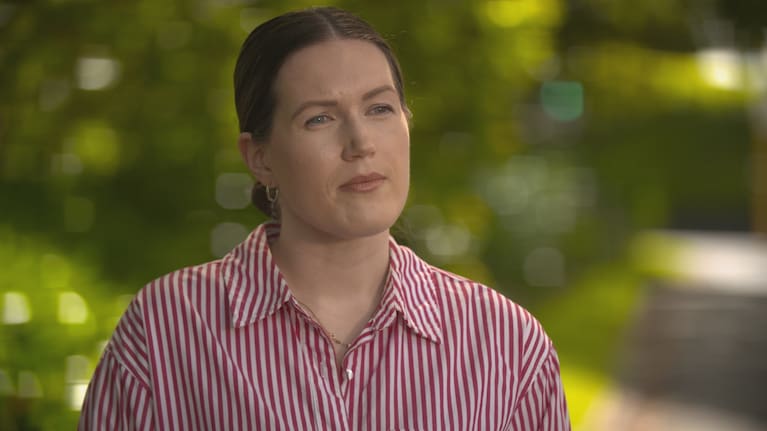
Youth unemployment and wage compression were considerations when setting the minimum wage, she added.
“Past minimum wage increases have driven wage compression, reducing the differentiation in pay between workers based on skills, experience or performance. The moderate increases agreed to by this Government for the 2024 and 2025 minimum wage decisions have started to ease this trend.”
Van Velden added it was important that the minimum wage supported young people to gain employment as they were more likely than other population groups to earn at or below that.
“Ensuring a balanced minimum wage rate enables young people to have access to entry level jobs that can set them up for greater future success.”
‘Piddly’, ‘measly’ – Opposition decries minimum wage announcement
The Opposition has slammed the 2% increase as an “effective pay cut” for New Zealand workers.
Labour described it as a “piddly” wage bump and not keeping up with the rising cost of living.
“Just like Christopher Luxon, this Government’s minimum wage bump is weak and shows just how out of touch they are,” Labour workplace relations and safety spokesperson Jan Tinetti said.
“If National were serious about helping businesses, they’d get real about the rising cost of living and start investing in people and businesses. Nearly 200 Kiwis are leaving a day because jobs are disappearing and they can’t afford to live here. New Zealand cannot afford another three years of National.”
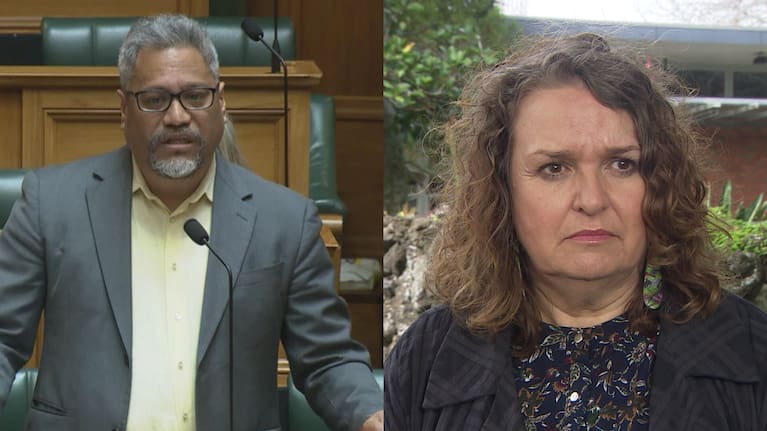
The Green Party said the “measly” increase was “another blow for workers”, and a “sour cherry on top of a terrible year for our workers”.
“Once again, the people who stand to lose out are predominantly young, part-time, female, Māori, and Pasifika workers,” said Green Party workplace relations spokesperson Teanau Tuiono.
“Raising the minimum wage by less than inflation is a political choice. It means, in no uncertain terms, that more people will face mounting debt and will struggle to cover the basics, let alone afford the unexpected costs of medical care, childcare, or urgent repairs.”
Unite Union, who represented hospitality workers, said it was “appalled” by the proposal which was $4 below the Living Wage of $28.95.
“We are in a cost of living crisis, and this will mean things get harder for many working people and their families. This is a Government that continuously demonstrates it does not care about cost of living pressures,” said national secretary Shanna Olsen-Reeder.
“At Christmas working people need to have some hope for the future. A 45 cent increase on April 1 demonstrates a serious disconnect between our Minister for Workplace Relations and the working public.”
The morning’s headlines in 90 seconds, including why the brains behind AI have picked up a major accolade, a huge drug bust seizes 2 tonnes of cocaine, and the days to avoid travelling this holiday season. (Source: 1News)