
Published on
December 16, 2025

Spain has joined countries like France, Ireland, Australia, Italy, Scotland, and others in implementing a new law extending smoking bans to outdoor spaces such as terraces, playgrounds, and bus stops. In a bold move aimed at improving public health, Spain has announced an extension of its smoking ban to include outdoor spaces such as terraces, playgrounds, bus stops, and public swimming pools. This new initiative, part of the country’s ongoing commitment to reducing smoking-related harm, will have significant implications for British tourists visiting Spain. With penalties reaching as high as €600,000 (£527,000), it is crucial for tourists to familiarize themselves with these changes to avoid costly fines during their stay.
The new legislation, which will apply to all types of nicotine products, including cigarettes, e-cigarettes, shisha, and heated tobacco devices, comes as part of Spain’s wider effort to tackle the harmful effects of smoking. While it is clear that the government is striving to protect non-smokers and reduce exposure to second-hand smoke, the new rules have sparked controversy, particularly among the hospitality sector and regular smokers.
The Expanding Scope of the Smoking Ban
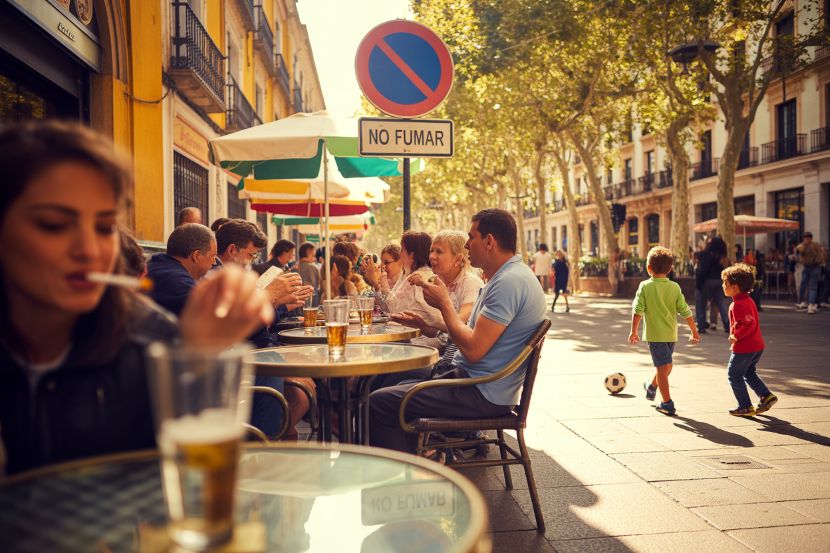
Spain’s updated smoking regulations go beyond the traditional indoor ban, which was implemented in 2011. While smokers have long been restricted from lighting up inside, the new laws extend this ban to outdoor areas. This includes restaurants and bar terraces, playgrounds, bus stops, train stations, and public swimming pools. The regulations also apply to festivals, concerts, and other outdoor events.
The move aims to reduce second-hand smoke exposure in public spaces, where non-smokers, including families with children, are more likely to be affected. The Spanish government believes this is a necessary step toward improving the country’s health outcomes, particularly as smoking-related diseases continue to claim thousands of lives each year.
However, the law applies equally to all nicotine products, meaning e-cigarettes and nicotine pouches are also prohibited in these designated outdoor areas. This extension of the ban is part of Spain’s strategy to combat the approximately 50,000 deaths annually attributed to smoking-related diseases.
Potential Fines for Violators: Up to €600,000
For tourists, particularly British visitors, the biggest concern lies in the severe penalties associated with breaching the new smoking laws. Violators could face fines up to €600,000 in the most extreme cases. These hefty fines are intended to serve as a strong deterrent against smoking in areas where it could harm others.
The Majorca Daily Bulletin reports that the enforcement date for the new smoking ban is yet to be confirmed, but it is expected to be implemented soon. Tourists planning to visit Spain, especially those accustomed to smoking outdoors in public spaces, need to be aware that the Spanish authorities are likely to enforce the rules strictly.
Quick Tips for British Tourists:
- Avoid smoking in restricted areas: Be sure to refrain from smoking in public outdoor areas like terraces, playgrounds, and bus stops.
- Look for designated smoking areas: Some locations may have specific areas for smokers. Always check for signs indicating these spaces.
- Know the local laws: Smoking is not allowed in many public outdoor places, including festivals and concerts. Ensure you are familiar with the rules to avoid fines.
Reactions from the Hospitality Sector
The new law has faced criticism from the hospitality sector, which fears that the smoking restrictions could negatively affect Spain’s thriving alfresco dining culture. Restaurants, bars, and cafés with outdoor seating areas have expressed concern that the ban will reduce the appeal of outdoor spaces, which are particularly popular with tourists. Smoking on terraces has long been a social norm in Spain, and the shift to smoke-free spaces is seen by some as a disproportionate measure that may reduce the enjoyment of dining or socializing outdoors.
In addition to the potential impact on tourism, there is worry that the law could push smokers into residential areas, increasing the exposure of families to second-hand smoke in their own homes. Critics argue that the new measures might drive smokers away from outdoor public spaces and into places where they are less likely to be monitored.
Government’s Health-Focused Motive: Aiming for Fewer Smokers
The Spanish health ministry has argued that these new regulations are necessary to improve public health and minimize exposure to second-hand smoke. Spain is aiming to continue its efforts to reduce smoking rates, which have been linked to numerous public health challenges. As part of this wider public health strategy, the government has also recently increased the price of cigarette packs by 25 cents.
The law is part of Spain’s broader commitment to meet EU health targets and reduce the burden of smoking-related illnesses, which are responsible for a high number of deaths and hospitalizations every year. Spain joins other European countries that have implemented similar measures to discourage smoking and protect non-smokers from the harmful effects of second-hand smoke.
Quick Tips for Tourists:
- Check if smoking is allowed in your hotel: Some hotels and resorts may have designated smoking areas for guests. It’s best to confirm this when booking.
- Look for smoking lounges: In some airports and stations, smoking lounges may be available. Check local signage to find these areas.
- Consider quitting or reducing smoking: Spain’s new restrictions make it an ideal time for smokers to consider quitting, especially if they plan to visit for an extended period.
Here are a few countries with similar smoking bans:1. France
- France has strict anti-smoking laws, including a ban on smoking in public places, restaurants, and bars. In recent years, it has expanded smoking restrictions to include outdoor areas such as playgrounds, parks, and near public buildings. Smoking is also prohibited on school grounds and near hospitals.
2. Ireland
- Ireland was one of the first countries in Europe to introduce a smoking ban in all indoor workplaces, including bars and restaurants. The country also enforces smoking bans in certain outdoor spaces, such as playgrounds, public parks, and near entrances to buildings.
3. Australia
- Australia has comprehensive smoking laws, including bans on smoking in public places like beaches, parks, and public transport. Victoria and Queensland are examples of states where smoking is banned in outdoor dining areas, and restrictions have been extended to include near schools and hospitals.
4. Italy
- Italy has introduced smoking bans in public places, and has increasingly moved to outdoor spaces such as parks, playgrounds, and areas near schools. The country also banned smoking in outdoor restaurants and cafes in some cities, particularly in tourist-heavy areas like Rome and Florence.
5. Scotland
- Scotland enforces a comprehensive smoking ban in all indoor public places and has also implemented smoking restrictions in outdoor public areas such as playgrounds, public parks, and beaches. In Edinburgh, smoking is also prohibited in certain outdoor dining areas.
6. Norway
- Norway has strict smoking regulations, including bans in indoor spaces such as restaurants, bars, and workplaces. Additionally, it has banned smoking in certain outdoor areas, including playgrounds and around public buildings.
7. New Zealand
- New Zealand has implemented smoking bans in indoor public places and increasingly in outdoor spaces such as parks and beaches. The country also restricts smoking around public buildings and hospitals.
8. Canada
- Canada has a comprehensive smoking ban across indoor public spaces, and several provinces have introduced outdoor smoking bans in parks, beaches, and near schools. Ontario and British Columbia have expanded the smoking ban to include outdoor patios and public spaces.
9. Finland
- Finland has implemented smoking bans in indoor public places and outdoor spaces such as playgrounds and parks. Smoking is prohibited in certain public transport stations and near entrances to public buildings.
10. South Korea
- South Korea has extended smoking bans to outdoor spaces, including parks, playgrounds, and around government buildings. In Seoul, smoking is also banned in al fresco dining areas.
What This Means for Business Travel and Tourists
The impact of this new law on business travelers and tourists is significant, especially for those who have a habit of smoking while socializing or traveling in public spaces. With the introduction of strict regulations, business meetings or casual gatherings may no longer include smoking breaks outside restaurants or in nearby public areas. It’s essential for corporate travelers to plan their schedules around the possibility of finding designated smoking areas, particularly in public spaces like airports, train stations, and outdoor venues.
For tourists, the changes may require adjustments to travel routines, particularly for those who are accustomed to smoking during leisure activities like sightseeing or dining outdoors. While it may be inconvenient, the new laws offer an opportunity to explore Spain’s tourist attractions in a healthier environment.
Conclusion: Understanding the Shift in Spain’s Smoking Laws
Spain’s new smoking ban extends far beyond the usual indoor restrictions, affecting various outdoor public spaces where tourists and locals typically enjoy their time. With potential fines of up to €600,000 for violating the law, British tourists need to stay vigilant and adjust their travel habits accordingly. As governments across Europe continue to tackle smoking-related health issues, this legislation in Spain reflects a growing trend toward creating cleaner, healthier public spaces for everyone.
For tourists and business travelers planning to visit Spain, being aware of the new smoking regulations is crucial for a smooth trip. Whether you’re attending a festival, dining at a seaside restaurant, or exploring the historic streets of Madrid or Barcelona, make sure to respect the new laws to avoid unexpected penalties and enjoy a more pleasant, smoke-free experience.
Key Takeaways:
Alternative options: Seek out designated smoking areas in public spaces, restaurants, and airports.
Smoking ban extends to outdoor areas including terraces, playgrounds, bus stops, and public pools.
Fines of up to €600,000 for violations.
Tourists and business travelers need to adjust their habits and familiarize themselves with the new rules.
Disclaimer: The Attached Image in This Article is AI Generated
