
Published on
December 16, 2025

AirBaltic is set to expand its network for the summer 2026 season, introducing new routes and increasing seat capacity across several key destinations. With the launch of additional flights from Riga, Vilnius, and Tallinn, the airline is enhancing its offerings in Lithuania, Finland, Turkey, Greece, Germany, Austria, and the wider Baltic region. This strategic expansion aims to provide more travel options for passengers, meeting the growing demand for European and regional connections while strengthening AirBaltic’s position as a leading carrier in the Baltic and beyond.
In an effort to enhance its offerings for the upcoming summer 2026 season, airBaltic, the Latvian airline, is adding more travel options for its passengers. Following its September 2025 route announcement, the airline will launch four new routes—two from Riga and two from Vilnius—while also resuming one from Tallinn. This expansion brings the airline’s total to ten new destinations and four reinstated routes. As part of this move, airBaltic will boost seat capacity across the Baltic region: Riga will see a 12% increase with more than 400,000 additional seats, Tallinn will have an 11% growth with over 90,000 extra seats, and Vilnius (along with Palanga and Kaunas) will experience a 21% rise, adding more than 150,000 seats to its network.
Mantas Vrubliauskas, VP Network Management at airBaltic: “Our summer 2026 expansion reflects a
clear focus on our customers and their travel needs. By expanding our network and increasing seat
capacity across all three Baltic capitals, we are offering more destinations, better connectivity, and greater
flexibility, while continuing to strengthen the Baltic States’ connectivity with Europe and beyond.”
For the summer season of 2026, airBaltic has further expanded its flight network by introducing four new destinations. These include routes from Riga to Warsaw (Poland) and Gothenburg (Sweden), as well as from Vilnius to Zurich (Switzerland) and Chisinau (Moldova). This expansion builds on the previously announced routes from September 2025, which include new connections from Riga to Kaunas (Lithuania), Oulu (Finland), and Antalya (Turkey), along with services from Tallinn to Athens (Greece), Hamburg (Germany), and Vienna (Austria).
The airline is set to restart three routes from Riga, including destinations to Aberdeen (UK), Belgrade (Serbia), and Yerevan (Armenia). Additionally, the service connecting Tallinn to Oslo (Norway) will also be reinstated.
airBaltic is set to enhance its operations by increasing the frequency of 30 existing routes from its Baltic hubs. This includes 20 routes from Riga, four from Tallinn, and seven from Vilnius. The full list of these updated routes will be shared on December 17, 2025, through the airline’s official channels. For the upcoming summer season, airBaltic will operate over 110 routes across its network, marking a 9% increase from the previous summer.
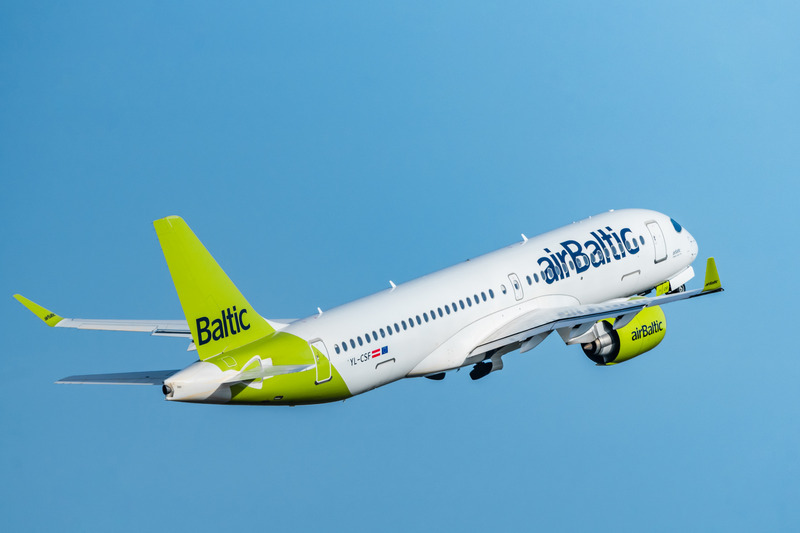
As the largest airline in the Baltics, airBaltic boasts one of Europe’s youngest fleets, consisting of 51 modern Airbus A220-300 aircraft. The airline is committed to delivering a comfortable and enjoyable experience for passengers, becoming the first European carrier to offer free high-speed internet powered by SpaceX Starlink on its flights, with plans to equip the entire fleet with this service. Furthermore, airBaltic provides both Economy and Business Class options on all scheduled flights, giving travelers the flexibility to choose what suits them best.
AirBaltic is expanding its summer 2026 network with new routes and increased seat capacity, offering more travel options across Lithuania, Finland, Turkey, Greece, Germany, Austria, and the Baltic region. This move responds to growing demand and strengthens the airline’s presence in these key destinations, making it easier for travelers to access popular European hubs and explore new connections.
Over the past three decades, airBaltic has grown into a globally recognized carrier, connecting the Baltic region to 80 destinations across Europe, the Middle East, North Africa, and the Caucasus, thus playing a crucial role in strengthening the region’s global connectivity.
