

(Image: OCSiAl)
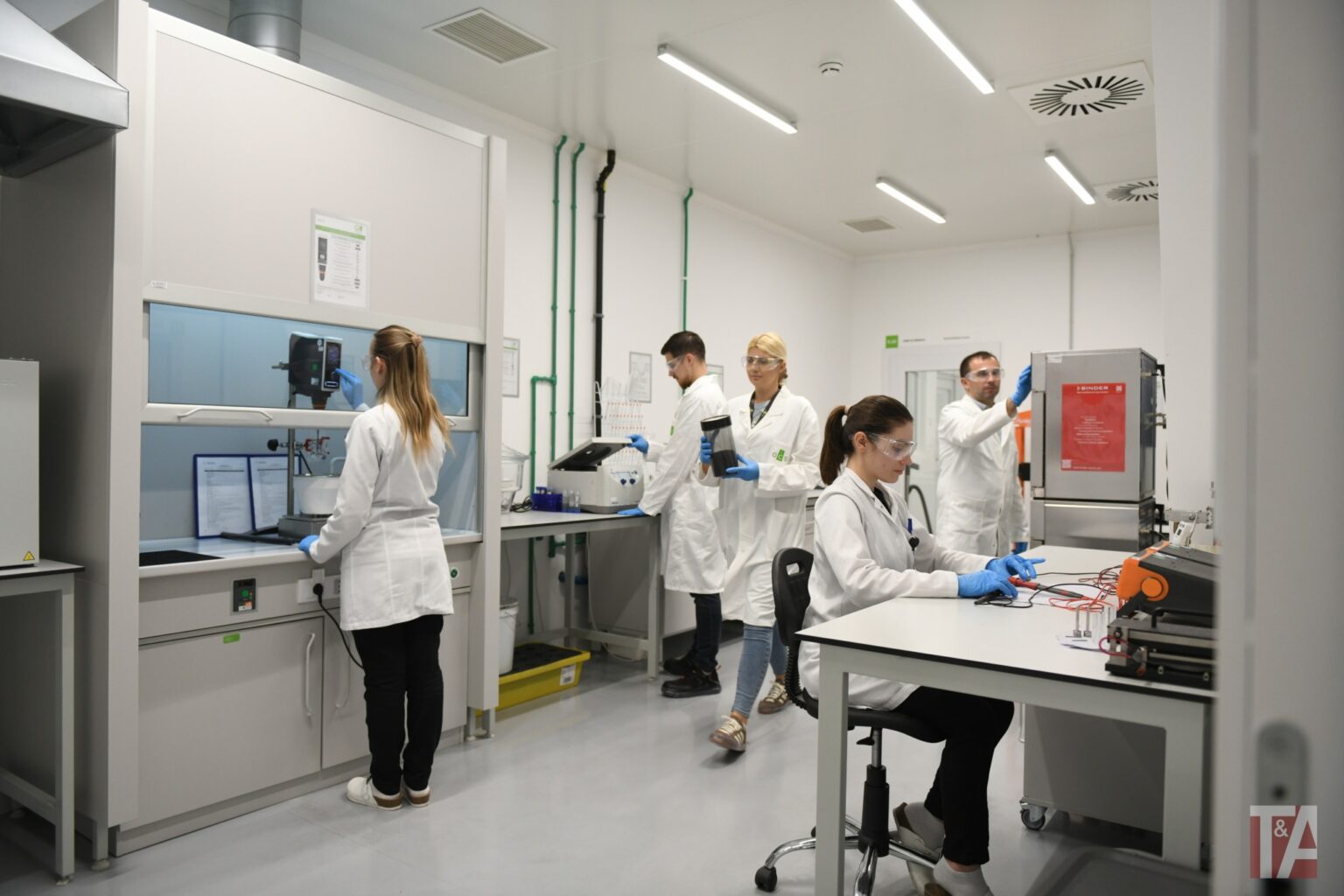
OCSiAl, a global leader in nanotechnology and producer of Tuball graphene nanotubes, has launched a new silicone laboratory in Serbia to accelerate the development of nanotube-based silicone materials, including those for automotive applications (see image). The facility offers a complete innovation chain, from formulation to pilot production, supporting industries’ shift towards smarter, safer, and energy-efficient materials.
The lab focuses on liquid silicone rubber (LSR) and room-temperature-vulcanising (RTV) systems, equipped for formulation, curing, moulding, and electrical testing. Graphene nanotubes enable silicones that are permanently conductive yet flexible, soft, and coloured, a combination previously considered incompatible.
These advanced materials unlock applications across sectors: in the automotive sector, they deliver antistatic and EMI-shielding properties while maintaining durability under extreme conditions; in robotics, they provide antistatic protection for sensitive components like touchscreen-compatible prosthetic fingers; and in wearable devices, they ensure reliable conductivity and comfort for real-time health monitoring.
With demand for graphene nanotubes rising, OCSiAl is expanding production and R&D capacity, aiming for a fourfold increase next year. This strategic growth will make graphene nanotubes a standard for advanced materials, helping manufacturers in Europe and the USA design lighter, smarter, and longer-lasting products that shape future technologies.