
Published on
December 18, 2025

A major step forward in long-haul travel connectivity between Southeast Asia and Northern Europe has been achieved with the launch of a new intercontinental air service by Vietnam Airlines. A nonstop route has been introduced between Ho Chi Minh City and Copenhagen, creating the first-ever direct air bridge between Vietnam and Denmark. This development has been positioned as a landmark moment for travel and tourism, as well as for trade and cultural exchange between the two regions. Operated using the fuel-efficient Boeing 787-9 Dreamliner, the service has been designed to meet growing demand for seamless long-distance travel while enhancing passenger comfort on journeys exceeding twelve hours. Through this route, access to Northern Europe has been significantly improved for travelers from Southeast Asia, while Scandinavian passengers have been provided with a faster and more convenient gateway to Vietnam’s diverse tourism offerings. By eliminating intermediate stopovers, the travel experience has been streamlined, time savings have been realized, and new opportunities for leisure, business, and visiting friends and relatives travel have been unlocked. This launch has also reinforced Vietnam Airlines’ broader strategy of expanding its European presence while supporting sustainable long-haul operations.
Historic First Direct Link Between Vietnam and Northern Europe
A new chapter in international aviation connectivity has been written with the inauguration of nonstop flights between Ho Chi Minh City and Copenhagen. For the first time, Vietnam and Northern Europe have been directly linked by scheduled commercial air service. The inaugural flight was operated from Tan Son Nhat International Airport and was welcomed at Copenhagen Airport after a journey lasting more than twelve hours. This milestone has been regarded as a strategic achievement not only for Vietnam Airlines, but also for regional travel and tourism development.
The absence of direct flights in the past had required travelers to rely on one-stop connections through major European or Middle Eastern hubs. With the introduction of this route, travel complexity has been reduced, and a more efficient option has been made available to passengers moving between Southeast Asia and Scandinavia.
New Ho Chi Minh City–Copenhagen Flight Schedule
The newly introduced service has been structured as a thrice-weekly operation, ensuring consistent connectivity while allowing the airline to manage capacity sustainably. Departures from Ho Chi Minh City have been scheduled on Monday, Wednesday, and Friday evenings, providing convenient overnight travel for passengers heading toward Europe. Return flights from Copenhagen have been arranged for Tuesday, Thursday, and Saturday mornings, enabling smooth onward connections within Vietnam and the broader Southeast Asian region.
Strong initial demand has been demonstrated through impressive passenger numbers on the inaugural services. More than 200 passengers were carried on the first outbound flight, while over 300 travelers were transported on the first return sector. These early load factors have reflected solid interest from both leisure and business travelers.
Boeing 787-9 Dreamliner Enhancing Long-Haul Comfort
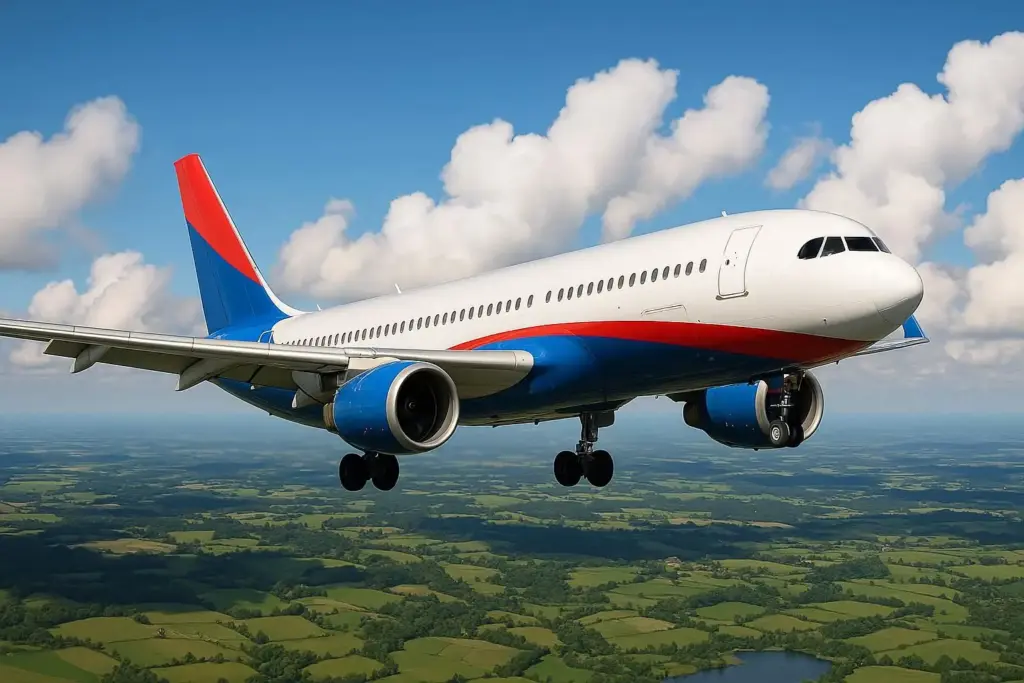
The Ho Chi Minh City–Copenhagen route has been entrusted to the Boeing 787-9 Dreamliner, an aircraft widely recognized for its suitability on ultra-long-haul missions. Enhanced cabin pressurization, larger windows, and improved air quality have contributed to a more comfortable passenger experience, particularly on extended journeys.
From an operational perspective, the aircraft’s lower fuel consumption and extended range have supported the viability of thinner long-haul routes such as this one. By deploying the 787-9 Dreamliner, Vietnam Airlines has been able to balance efficiency with passenger comfort, aligning sustainability goals with service quality.
Copenhagen as a Strategic Scandinavian Gateway
Copenhagen has been selected as a strategic entry point into Northern Europe due to its role as a major transportation hub within Scandinavia. From Copenhagen Airport, seamless onward connections are available to destinations across Denmark, Sweden, Norway, and Finland through integrated air, rail, and road networks.
For travelers from Vietnam, the new route has opened up simplified access to the wider Nordic region, enabling multi-country itineraries centered on culture, nature, and winter tourism experiences. At the same time, Scandinavian travelers have gained a direct pathway to Vietnam’s tropical climate, rich heritage, and expanding hospitality sector.
Growing Tourism Flows Between Vietnam and Scandinavia
Tourism demand between Vietnam and Northern Europe has been steadily increasing, particularly during the winter months when travelers from colder climates seek warmer destinations. Vietnam has emerged as an attractive choice for Scandinavian visitors due to its beaches, culinary diversity, historical sites, and improving tourism infrastructure.
The introduction of nonstop flights has been expected to further stimulate inbound tourism by reducing travel time and improving convenience. Travel planners and tour operators have been provided with new opportunities to develop tailored travel packages, encouraging longer stays and repeat visits.
Supporting the Vietnamese Community in Northern Europe
Beyond tourism and business travel, the new route has been designed to serve the Vietnamese community residing in Northern Europe. An estimated 70,000 people of Vietnamese origin live across the Nordic countries, many of whom maintain strong cultural and family ties with Vietnam.
Direct connectivity has been anticipated to make family visits more accessible and affordable, while also supporting cultural exchange and community engagement. The availability of nonstop flights has reduced reliance on indirect routings, offering greater flexibility for travelers.
Strengthening Trade and Economic Exchange
The Ho Chi Minh City–Copenhagen service has also been positioned as a facilitator of bilateral trade and economic cooperation between Vietnam and Denmark. Improved air connectivity has supported faster movement of business travelers, investors, and high-value cargo.
As economic ties between Vietnam and the Nordic region continue to expand, the role of direct aviation links has become increasingly important. The route has been viewed as a catalyst for deeper engagement across sectors such as manufacturing, renewable energy, technology, and tourism development.
Expanding Vietnam Airlines’ European Network
With the addition of Copenhagen, Vietnam Airlines has further diversified its European route network. Existing services already connect Vietnam with major cities including Paris, Frankfurt, Munich, London, Milan, and Moscow. The introduction of a Northern European destination has strengthened the airline’s competitive positioning among Southeast Asian carriers.
Only a limited number of airlines from the region currently offer direct services to Northern Europe, making this route a notable addition to the market. The expansion has aligned with Vietnam Airlines’ long-term vision of enhancing intercontinental connectivity while reinforcing its role as the national carrier of Vietnam.
Alignment with Long-Term Aviation Strategy
The launch of nonstop flights to Copenhagen has been aligned with Vietnam Airlines’ broader strategy of sustainable growth and global visibility. By leveraging modern aircraft and targeting underserved long-haul markets, the airline has been able to expand responsibly while maintaining operational efficiency.
The route has also served as a platform for promoting Vietnam’s economy, culture, and tourism appeal on the international stage. Through enhanced connectivity, greater awareness of Vietnam as a travel destination has been fostered across Northern Europe.
Bottom Line
The introduction of nonstop Boeing 787-9 Dreamliner flights between Ho Chi Minh City and Copenhagen has marked a significant milestone in aviation, travel, and tourism relations between Vietnam and Denmark. By creating the first direct air link between Southeast Asia and Northern Europe, Vietnam Airlines has improved convenience for travelers, supported tourism growth, and strengthened economic and cultural ties.
Through strategic network expansion, modern aircraft deployment, and a focus on passenger experience, the airline has reinforced its presence in Europe while opening new pathways for global engagement. This route has been positioned not merely as an airline service, but as a bridge connecting regions, cultures, and opportunities across continents.
