
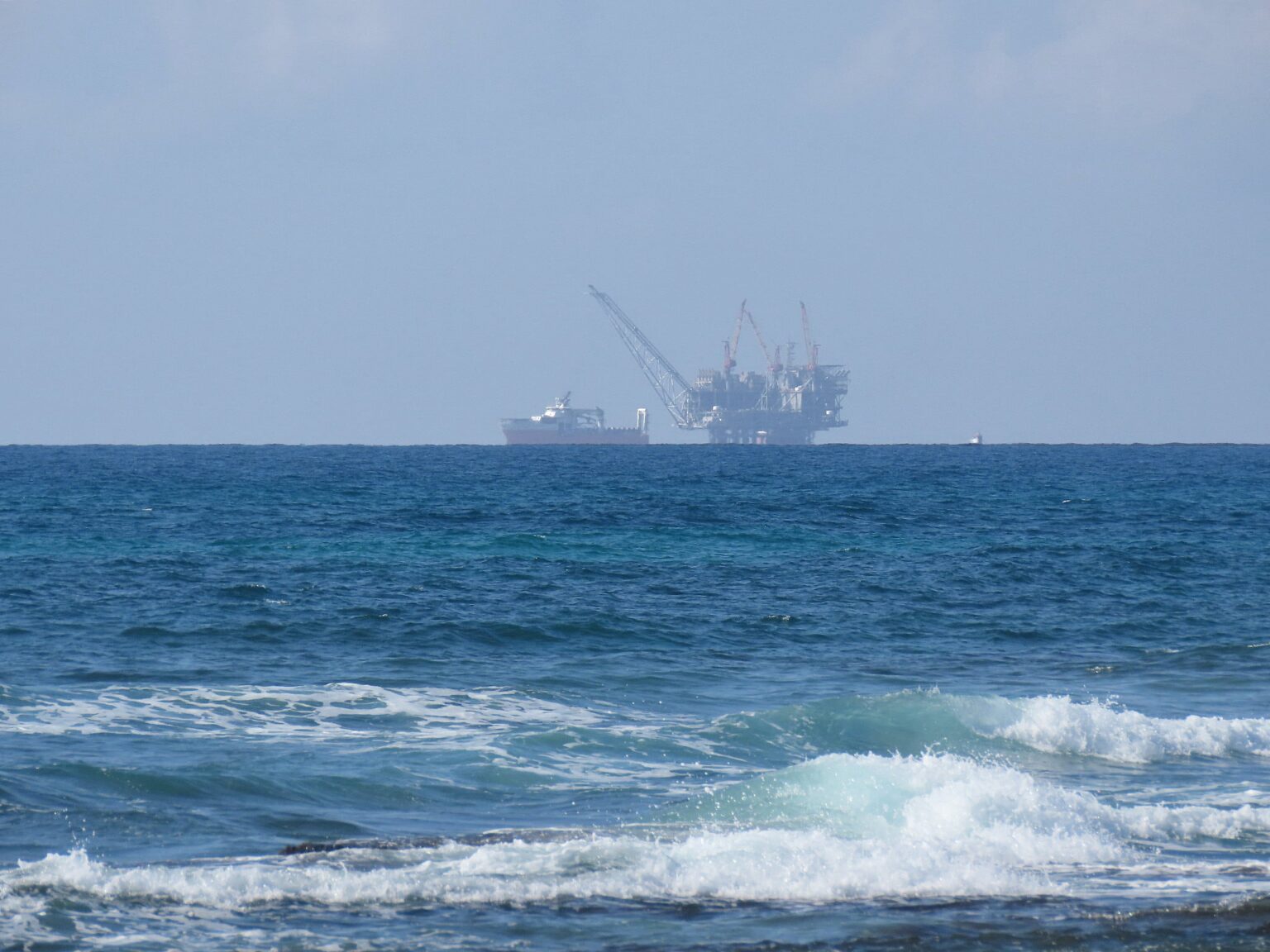
Israel and Egypt have just inked what officials are calling the largest energy export agreement in the nation’s history. Valued at approximately $35 billion (112 billion NIS), the deal commits 130 billion cubic meters of natural gas from the Leviathan offshore field to Egypt through 2040. While the sheer scale of the pact is a milestone for East Mediterranean cooperation, it forces a critical question: In the volatile Middle East, does economic interdependence provide a security buffer or a strategic vulnerability?
The Economic Windfall
From a fiscal perspective, the deal is an undeniable win. At a time when Israel faces mounting budgetary pressures due to prolonged security expenditures, the projected 58 billion NIS in royalties and taxes offers a vital lifeline to the state treasury.
Beyond the immediate cash flow, the agreement provides the “bankable” certainty required to attract massive foreign investment. By locking in a long-term buyer like Egypt, Israel ensures the continued expansion of the Leviathan production capacity, cementing its status as a permanent fixture in the global energy network rather than a domestic-only player.
Energy as Diplomacy
The geopolitical logic is equally compelling. For decades, the “Cold Peace” between Jerusalem and Cairo has survived on security coordination. This deal adds a layer of economic “glue.” By making Egypt’s energy infrastructure reliant on Israeli gas, the two nations are bound by mutual interest.
- Regional Stability: Economic interdependence acts as a shock absorber. Even during periods of intense diplomatic friction, such as the current tensions regarding Gaza, the shared necessity of keeping the lights on in Cairo provides an incentive for both sides to maintain a functional relationship.
- The Washington Factor: This deal aligns perfectly with U.S. energy diplomacy. By facilitating these ties, Israel gains leverage in Washington, positioning itself as a key architect of regional stability that the U.S. is eager to support.
The Risks: Domestic and Strategic
However, a deal of this magnitude is never without its shadows. Critics at home are rightly concerned about energy sovereignty. If Israel over-commits its reserves to the export market, it risks a future where domestic prices spike or supplies run thin during a local crisis. The government must walk a tightrope, ensuring that the pursuit of “petrodollars” doesn’t come at the expense of the Israeli consumer.
Furthermore, there is the risk of the “Golden Cage.” Deeper reliance on Egypt means that any future instability in Cairo, or a sudden shift in Egyptian policy, could turn a strategic asset into a liability. History in this region is littered with energy pipelines that were sabotaged or shut down when political winds shifted.
The Bottom Line
The Israel-Egypt gas deal is a bold move that elevates Israel from a regional observer to a Mediterranean power player. It offers the financial muscle to fund national priorities and the diplomatic bridge to maintain a vital alliance.
Yet, the true success of this pact will not be measured by the initial $35 billion figure. It will be measured by the government’s ability to protect domestic reserves and its agility in navigating the political tremors that inevitably follow such deep interdependence.
Former news editor in the IBA radio in Arabic and chief editor for the digital platforms in Arabic on both IBA and IPBC. He has written many articles in Arabic, English and Hebrew on various topics. He has academic degrees in Middle Eastern history, Member of the presidency of the Israeli Press Council, Member of the board of directors of the Journalists Association Jerusalem, Member of the board of directors of the Israeli Translators Association.