
Published on
December 22, 2025

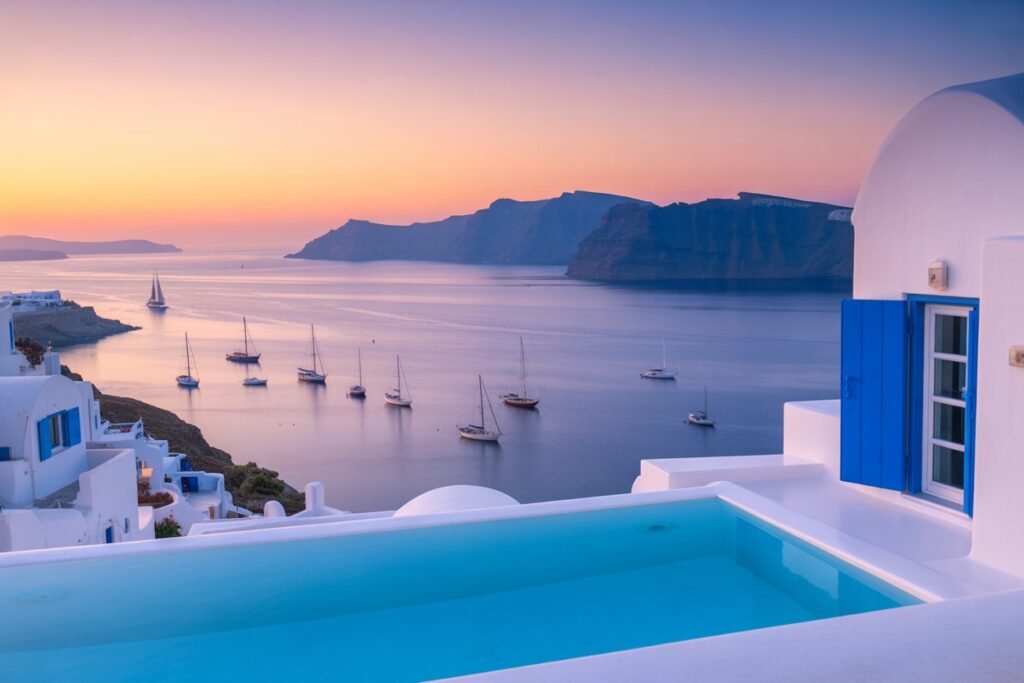
For decades, the image of Greece has been synonymous with sun-drenched white-washed villages, turquoise Aegean waters, and the eternal marble of the Parthenon. But in 2025, those images aren’t just postcards—they are the backdrop to a historic economic surge. Greece is currently navigating toward its most successful tourism year in history, a feat that reflects both the world’s enduring love for the Mediterranean and the country’s strategic focus on hospitality as its primary economic engine.
Recent data and insights from Tourism Minister Olga Kefalogianni reveal a nation that has not only recovered from the global disruptions of recent years but has emerged as a powerhouse of international travel.
The Numbers Behind the Boom
The scale of the growth is staggering. According to the Bank of Greece, the first nine months of 2025 saw a remarkable 31.6 million visitors cross the border. This represents a 4% increase from the same period in 2024—a year that was already considered a “gold standard” for the industry.
To put this in perspective, 2024 saw a total of 40.7 million visitors, a massive 12.8% jump from 2023. As we move through the final weeks of 2025, experts are confident that the year-end totals will set a new benchmark that may hold for years to come. This isn’t just a trend; it’s a structural shift in how the world views Greece as a year-round destination.
Tourism: The Heartbeat of the Greek Economy
Under the leadership of Prime Minister Kyriakos Mitsotakis, tourism has become the cornerstone of Greece’s economic recovery. It is no longer just a “side industry”; it is the lifeblood of the nation.
Data from the Institute of the Greek Tourism Confederation (INSETE) highlights the gravity of this sector. Tourism directly contributes approximately 13% of Greece’s total GDP. However, when you factor in the “ripple effect”—the suppliers, the transport, the local markets, and the construction—the industry indirectly accounts for more than 30% of the entire economy. For every three Euros earned in Greece, nearly one is tied to the movement of people coming to experience the Hellenic spirit.
The “Overtourism” Paradox: Success and its Challenges
While the economic data is cause for celebration, the sheer volume of visitors has sparked a necessary conversation about sustainability. In popular hubs like Santorini, Mykonos, and central Athens, the local population is feeling the weight of their own success.
Housing and Rents: The explosion of short-term holiday rentals has led to a shortage of affordable housing for locals. In some areas, teachers, doctors, and hospitality workers themselves are finding it difficult to live in the communities where they work.
Uncontrolled Construction: To keep up with demand, new hotels and villas are appearing at a rapid pace. This has led to calls for stricter zoning laws to protect the very aesthetic and environmental beauty that draws tourists in the first place.
Climate Change: Greece’s greatest asset—its weather—is also its greatest vulnerability. Frequent heatwaves and the looming threat of wildfires, exacerbated by climate change, are challenges the Ministry is working hard to mitigate through disaster preparedness and sustainable infrastructure.
Minister Olga Kefalogianni remains optimistic, noting that early indicators for 2026 are already showing strong demand. The strategy moving forward is not just about “more” tourists, but “better” tourism.
The Ministry is focusing on diversifying the Greek “product.” This includes promoting winter tourism in the mountainous regions of Epirus, highlighting the mainland’s cultural heritage beyond just the famous islands, and investing in agritourism and wellness retreats. By spreading the visitor load throughout the year and across the entire geography of the country, Greece hopes to alleviate the pressure on its most famous hotspots while ensuring that the economic benefits reach every corner of the nation.
The Human Touch: Hospitality in the Face of Shortages
One of the most pressing hurdles in 2025 has been a persistent labor shortage. Despite the high demand, finding enough skilled professionals to staff hotels and restaurants remains a challenge.
However, the Greek concept of Philoxenia—the love of strangers—remains the industry’s secret weapon. Even in a record-breaking year, the human element of Greek tourism remains its most endearing quality. Whether it is a family-run taverna in Crete or a luxury resort in Costa Navarino, the emphasis on personal connection and authentic experience is what keeps visitors coming back year after year.
Conclusion: A Bright Future
As Greece looks toward the horizon of 2026, it does so from a position of unprecedented strength. The record-breaking numbers of 2025 are a testament to the country’s resilience and its timeless appeal. While challenges like climate change and housing affordability require urgent and thoughtful management, the underlying story is one of triumph.
Greece has reclaimed its place as the heart of Mediterranean travel, proving that even in a rapidly changing world, the allure of an Aegean sunset and the warmth of a Greek welcome are as powerful as ever.
