
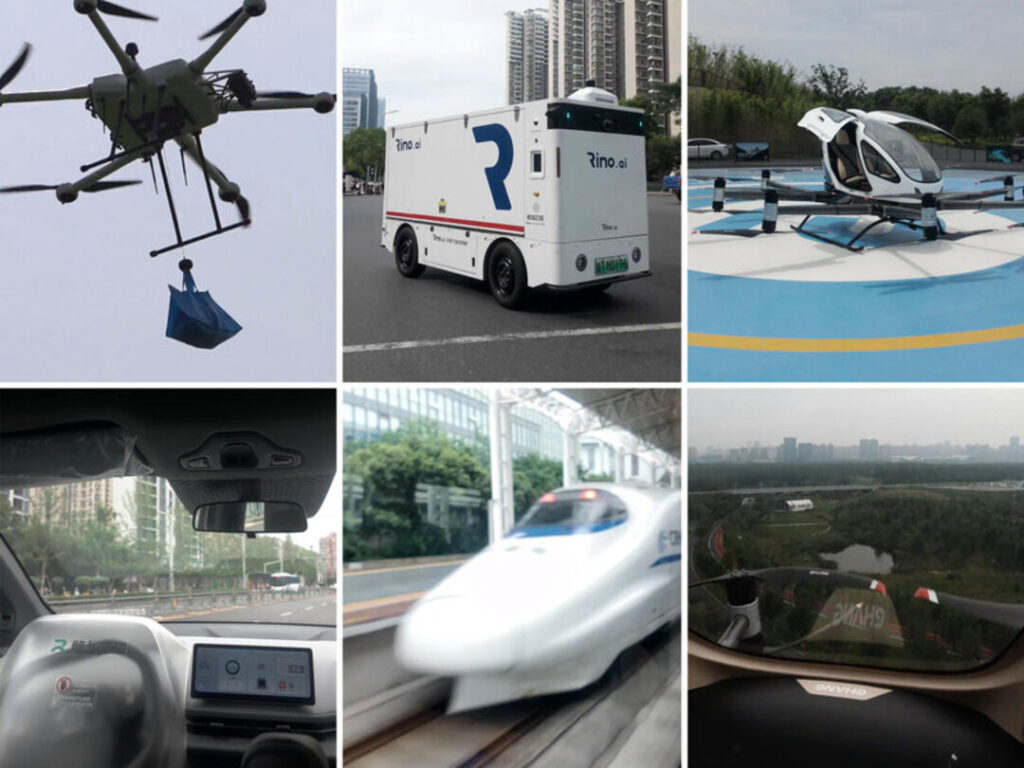
China’s clean energy transformation isn’t just happening on paper — it’s unfolding in cities like Hefei, where autonomous drones ferry supplies, electric vehicles churn off factory lines, and robots power a next-generation industrial landscape. Far from the U.S. and European focus on piecemeal transitions, China is pursuing a big-picture, high-tech clean economy that blends innovation, infrastructure, and global competitiveness.
Hefei: More Than a Mid-Sized City — A Technology Showcase
Hefei, the capital of Anhui Province in east China, has quietly positioned itself as a clean energy and technology hub. With more than 8 million residents and a rapidly growing industrial base, Hefei’s transformation reflects China’s broader strategy: integrate clean energy goals with cutting-edge technology development.
This isn’t theoretical: in real time, residents and visitors see autonomous delivery vehicles, commercial drones lowering packages from the sky, and battery-swapping robots that can recharge electric vehicles in minutes. These technologies are far beyond early prototypes — they are operational in public spaces.
Hefei is part of a larger low-altitude economy ecosystem that supports drones, urban air mobility, and smart logistics, leveraging a high concentration of researchers and engineers. This positions it as a practical counterpoint to more well-known high-tech cities like Shenzhen.
China’s Clean Energy Investment: Big Money, Big Impact
China’s approach to clean energy is backed by massive investment. In 2024 alone, the nation allocated around 6.8 trillion yuan (about $940 billion) toward clean energy deployment — nearly rivaling the total global investment in fossil fuels — with electric vehicles, batteries, and solar power accounting for a large share.
That spending spurs production and innovation. China produces a majority of the world’s lithium-ion battery components and is home to major electric vehicle manufacturers that export globally. The country’s investment in renewables — solar, wind, and electricity infrastructure — far outpaces many Western peers.
These trends contribute directly to climate goals. According to independent analysis, China’s heavy electrification and renewable expansion have helped push its CO₂ emissions into a decline, with renewables and nuclear beginning to displace once-dominant coal in the energy mix.
Electric Vehicles and Automated Production Lines
In Hefei, electric mobility is visible everywhere. The city’s automotive infrastructure supports production that contributes more than 1.37 million new energy vehicles (NEVs) annually, with integrated battery technology and automated systems that speed production and ensure quality.
Robotic systems on factory floors — sometimes more precise than human workers — install automotive components with tiny margins of error, enabling rapid, “personalized” production that can finish a vehicle in around two weeks.
This isn’t limited to cars. Battery manufacturing, solar panel assembly, and robotics are woven into the region’s economic fabric. A substantial increase in patent filings and R&D spending indicates China isn’t just building capacity; it’s building new clean tech capabilities for export and global influence.
Drones, Robots and Urban Innovation in Daily Life
From urban skies to public roads, autonomous technologies are reshaping everyday experiences in Hefei and other Chinese cities:
- Drone deliveries aren’t just for parcels — emergency supplies like blood units are moved quickly between hospitals.
- Flying taxis and autonomous urban mobility projects are emerging on city horizons.
- Battery-swapping robots automate EV recharging, reducing wait times and extending vehicle range.
This “low-altitude economy” is more than futuristic flair. It’s a practical infrastructure system designed to reduce congestion, improve logistics, and bolster clean power adoption.
Clean Power and Renewables: Scaling Up Nationwide
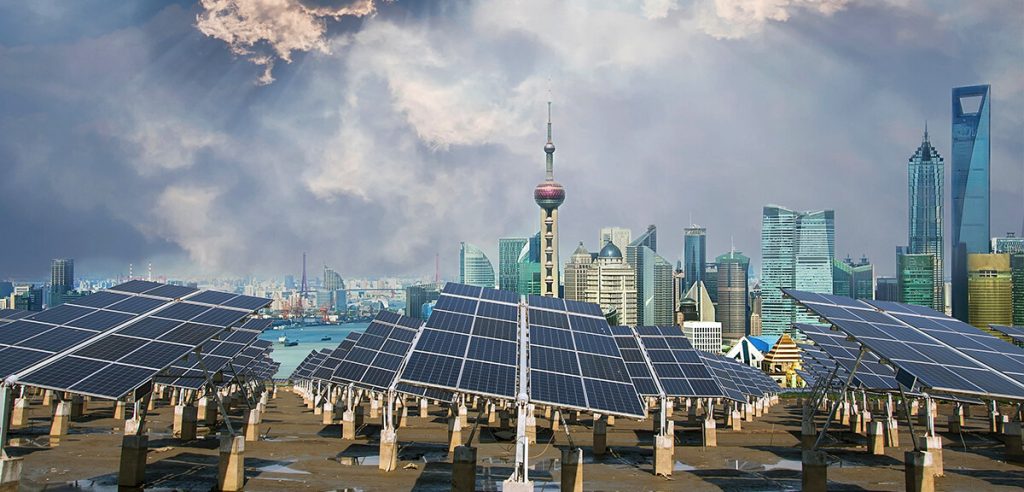
China isn’t just innovating — it’s building clean power capacity at scale. Independent research indicates the nation has added world-leading amounts of solar and wind generation, far outpacing other countries in new clean capacity.
Solar and wind now meet an ever-larger slice of electricity demand, reducing reliance on coal and improving energy security. These renewable sources are also helping to lower the cost of electricity and create export opportunities for manufactured technologies.
Electric transport — from passenger cars to commercial logistics vehicles — further reduces fossil fuel use. Strong domestic demand, paired with exports, amplifies China’s influence on global clean energy markets.
Global Impacts and Climate Implications
China’s innovation juggernaut doesn’t stop at borders. Its low-cost solar panels, batteries, and electric vehicles are shipped worldwide, helping countries from Southeast Asia to Africa accelerate their own clean transitions.
This global role has dual implications:
- Climate benefits: cheaper, more accessible clean energy tech helps cut worldwide emissions.
- Economic influence: dependency on Chinese tech and supply chains grows as global markets integrate these products.
Yet challenges remain. Overcapacity, rising debt from rapid expansion, and balancing innovation with sustainable investment require careful policy decisions — both in China and abroad. Experts caution that unbridled growth without market demand can lead to economic inefficiencies, even as technology advances.
What Hefei Represents for the Future
Hefei stands as a microcosm of China’s clean energy ambition: a city where innovation meets infrastructure, and advanced technology emerges hand-in-hand with climate goals. Whether it’s drones plucking lunch out of the air or smart EV factories running around the clock, this new “green city model” is being tested and refined before scaling to global markets.
For policymakers and climate advocates worldwide, China’s strategy presents both lessons and questions: can other nations replicate such rapid clean tech growth? What role does state planning play versus private enterprise? And how will this shift influence international efforts to limit climate disruption?
At a time when clean energy isn’t just a policy choice — it’s an economic battleground — cities like Hefei offer a view into how innovation, infrastructure, and climate ambition can converge to reshape both local life and the global climate future.