
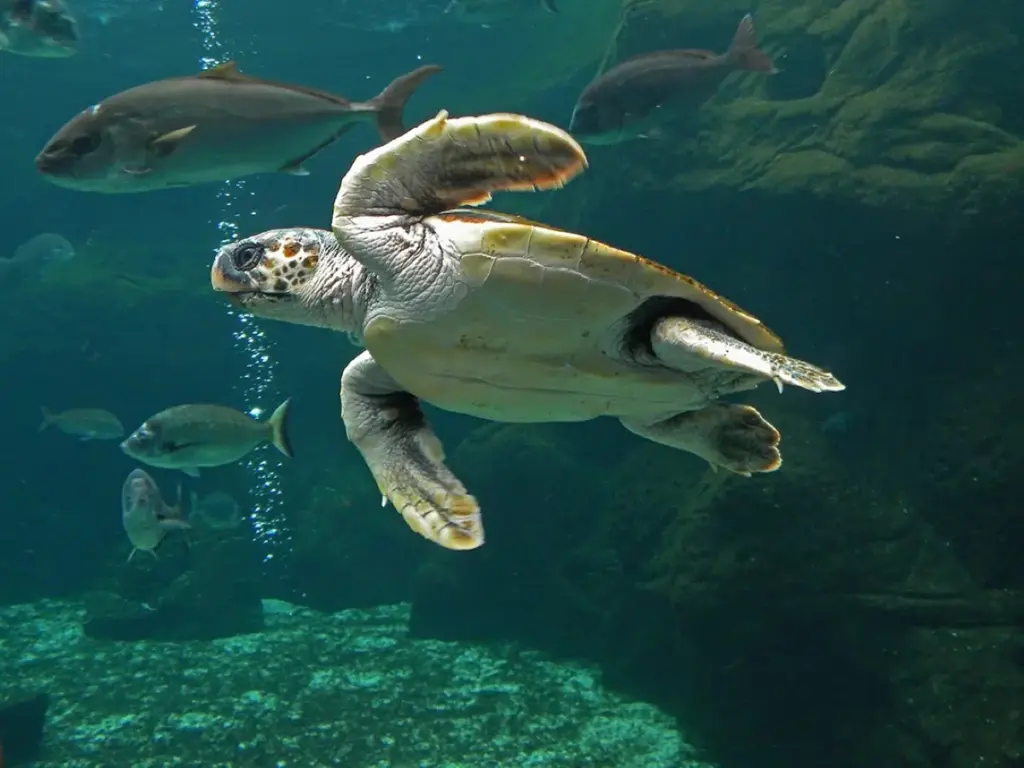
The increase in marine turtle nesting, such as the case of loggerhead turtles, on various Mediterranean coasts marks an unprecedented change. This shift reflects an adaptation to new environmental conditions.
The combination of active conservation and global warming is redefining their routes. For decades, these turtles returned to traditional beaches to lay eggs. Currently, many of those areas record extreme temperatures, prompting turtles to seek cooler and more stable coasts.
The phenomenon is neither isolated nor circumstantial, as it repeats in various sectors of the western Mediterranean and poses new challenges for the protection of the species.
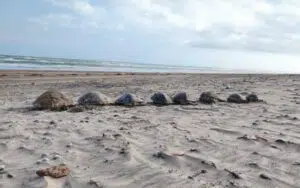 Marine turtles change their nesting beaches.
Temperature, sand, and population balance
The temperature of the sand plays a key role in reproduction, as it determines the sex of the hatchlings emerging from the nests. This is because too warm sands produce a majority of females.
This imbalance compromises the future genetic diversity. It also reduces the reproductive possibilities of the population. Climate change intensifies this risk on historical beaches.
The new nesting areas offer milder conditions. This favors the birth of males and balances the offspring. The process opens the door to a population recomposition.
New beaches and genetic mixing
The western Mediterranean coasts are gaining prominence. The beaches of Spain and nearby regions are receiving more and more nests, becoming temporary climate refuges.
In these sites, an unprecedented genetic mixing occurs. Lineages from the Atlantic and the Mediterranean intersect there, strengthening the species’ resilience to future changes.
The colonization is not without risks. The new beaches require constant monitoring. Without protection, they could become ecological traps.
Pollution and pressures on the ecosystem
The Mediterranean marine environment presents persistent threats. In analyzed specimens, dozens of pesticides were detected. These chemicals affect the immune system and reproduction.
The pollution comes from terrestrial activities, in addition to industrial and agricultural waste that reaches the sea through rivers and coasts. Added to this is the massive presence of plastics.
These impacts reduce the survival of juvenile and adult turtles. They also weaken populations already stressed by the climate. The health of the sea directly conditions that of the turtles.
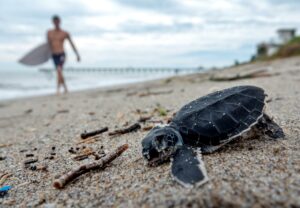 Marine turtle species.
Tourism, fishing, and conflicts with human activity
Intensive tourism disrupts reproductive cycles. Artificial lights and nighttime noises disorient females. Many leave the beach without completing nesting.
Accidental fishing remains a significant cause of mortality, as nets and hooks cause serious injuries. In this regard, some specimens do not survive the rescue.
Several regional programs train fishermen to reduce damage. In these spaces, more selective practices and release protocols are promoted for better coexistence with the marine fauna.
Science, monitoring, and active conservation
Satellite telemetry allows tracking migratory movements. These devices record routes, times, and reproduction areas, providing key information to anticipate new changes.
Various NGOs and universities work on the protection of nests with patrols and volunteers. For this, sensitive areas are delineated during the nesting season. Here, community participation strengthens coastal conservation.
Marine turtles act as environmental indicators. Their behavior reflects the health of the ocean, so caring for them is protecting entire marine ecosystems.
Natural habitat of marine turtles and expected coasts
Marine turtles inhabit temperate and tropical oceans, spending most of their lives in open sea and only returning to land to reproduce.
These turtles are distributed in the Atlantic, the Mediterranean, and subtropical areas. Their traditional nesting beaches are located on sandy, quiet, and dimly lit coasts, as they require sands with suitable temperatures and low human disturbance.
In the Mediterranean, they historically nested in the eastern sector. Currently, the shift towards the west is redefining where they should be found. These new coasts need protection to become safe and lasting habitats.