
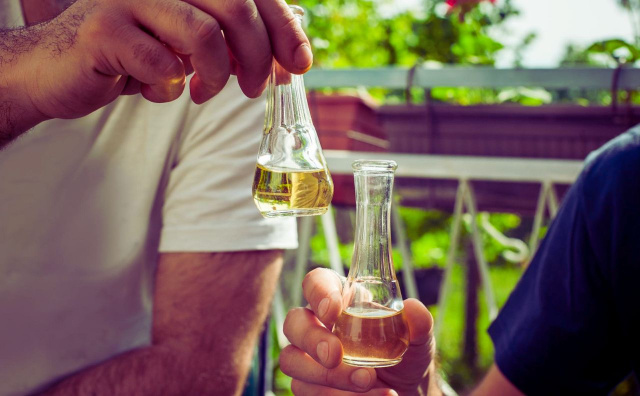
Consumption of home-produced rakia in Bulgaria is steadily declining, while younger generations are increasingly distancing themselves from alcohol altogether. These are among the key findings of the latest study by the Spirits Bulgaria association, presented by Ralitsa Skorcheva-Slavova.
According to the survey, the share of people consuming homemade rakia has dropped from 64% in 2021 to 50% today. At the same time, representatives of Generation Z largely avoid alcoholic beverages. The research was carried out for the third time, based on a nationally representative sample of 1,054 respondents, and was conducted by VN Market Research.
The 14 percentage point drop in homemade rakia consumption deserves closer analysis, Skorcheva-Slavova noted. However, the association links the trend mainly to generational shifts and increasing urbanisation. Younger people, she explained, are oriented towards a healthier lifestyle and more responsible consumption, without necessarily labelling it as such.
As part of efforts to promote informed choices, a digital tool called AlcoGuide has also been developed. The application allows users to calculate how many alcohol units they have consumed, how long the body needs to process them, and after how many hours it is safe to drive.
In terms of overall preferences, wine remains the most widely consumed alcoholic beverage in Bulgaria, followed by beer and then spirits. The latest wave of the survey shows that wine consumption continues to rise, while spirits are losing ground. This mirrors a broader global pattern: fewer people consume spirits, they do so less frequently, but when they drink, consumption tends to be heavier.
Rakia remains the most popular spirit in the country. In the study, it is divided into homemade and commercially produced rakia. While the sharp decline in homemade rakia stands out, when both categories are combined, rakia still dominates. Overall, 68% of respondents say they consume rakia.
Whiskey ranks next among spirits, followed by vodka. Other categories such as ouzo, gin and rum come after that, with their popularity shaped by differences in age, place of residence and gender, Skorcheva-Slavova said.